- Home
- North Korea
- Pyongyang

Pyongyang
North Korea · 35 places
Photo: Christophe95, CC BY-SA 4.0
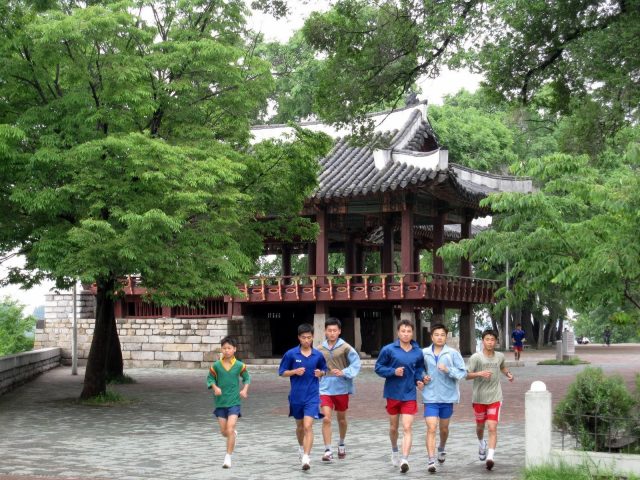
Pyongyang doesn’t follow the rhythms of the outside world. Sidewalks aren’t crowded, billboards aren’t neon, and tourists don’t jostle for photos. Instead, you see wide boulevards with the occasional car, monumental buildings of concrete and glass, and people dressed neatly, as if following an unspoken rule. The city feels both empty and full—empty of the usual urban chaos, but dense with symbolism, history, and a way of life that’s hard to understand from afar.
Architecture as ideology
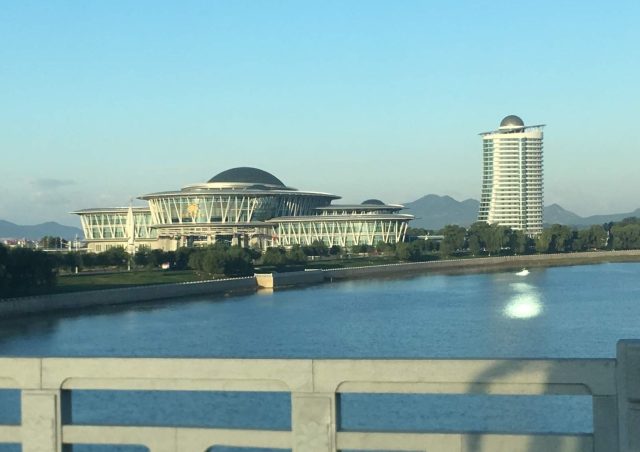
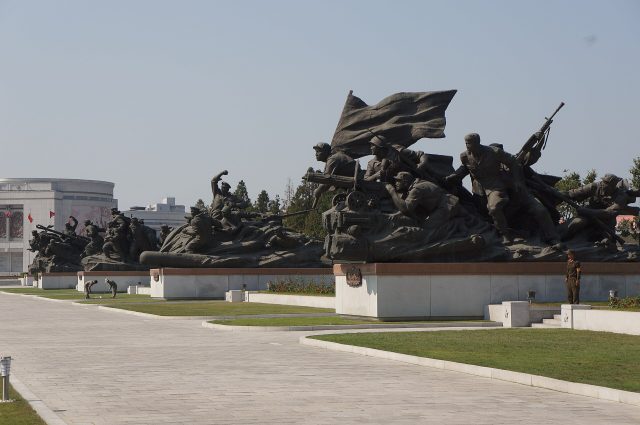
Every structure here has a purpose. Bridges, plazas, even residential blocks—all are designed to reflect the state’s grandeur. Kim Il Sung Square, lined with government buildings, hosts parades and mass gatherings. The Chollima Monument, a winged horse, stands for the country’s rapid postwar recovery. The Juche Tower rises into the sky, a symbol of self-reliance. The socialist modernist apartment blocks look like relics of a future that never came.
Why does it feel like a stage set? Because it is.
A different pace
Life in Pyongyang moves to the state’s schedule. Mornings are busy as people go to work or school, but evenings are quiet. Shops, cafes, and restaurants exist, but they’re not like those in other capitals—menus are short, prices don’t change, and the atmosphere is more practical than inviting. For locals, this is normal. For visitors, the lack of noise, dirt, or disorder can feel almost eerie.
Contradictions everywhere
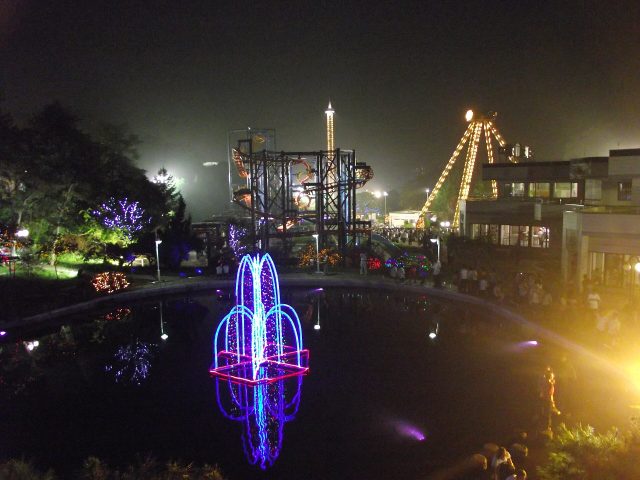
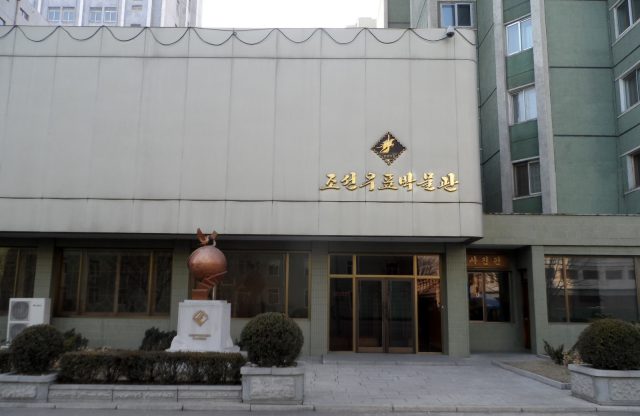
The metro stations are some of the deepest in the world, adorned like palaces with mosaics and chandeliers. Yet electricity flickers, and the internet is rare. Amusement parks draw families on weekends, but rides often don’t work. Museums showcase the country’s past, but their stories fit the official narrative. These contradictions make Pyongyang feel like a city with its own rules—rules that even its residents navigate carefully.
What do you notice first? The silence? The scale of the buildings? The way the past and present blur?
No familiar reference points
As an outsider, you won’t find what you expect. You can’t wander freely, talk to locals without supervision, or even take a street photo without risk. But that’s what makes Pyongyang striking. It doesn’t try to charm visitors or follow trends. It doesn’t aspire to be like other capitals. It just is—a city shaped by an era that lingers, its shadow still long over the present.
See & Do
34 places
Places on the map
Marker colour follows the categoryClimate and weather
Detailed weather: Pyongyang- Average temperature
- 12 °C
- Precipitation per year
- 1219 mm
- Sunshine hours per day
- 5.7 h
Average air temperature
°C
-5
-2
6
13
18
22
26
26
21
13
5
-3
Jan
Feb
Mar
Apr
May
Jun
Jul
Aug
Sep
Oct
Nov
Dec