
Brasov
Romania · 13 places
Photo: Constantin Barbu, CC BY 2.0
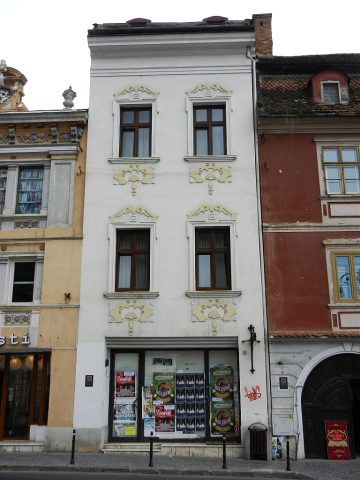
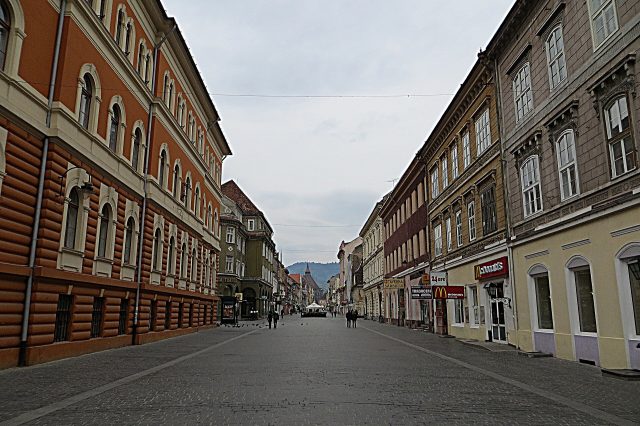
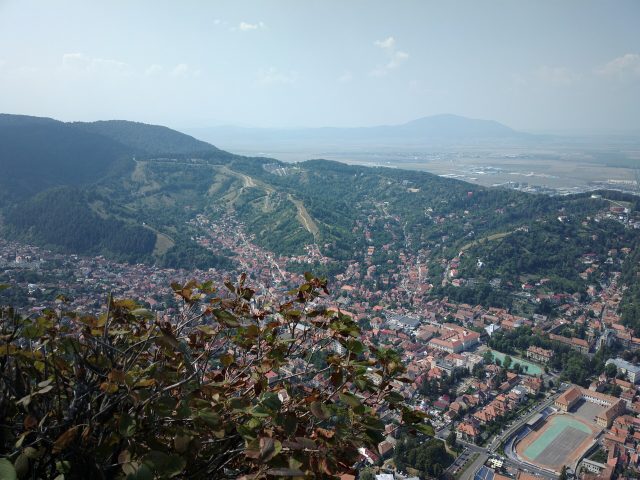
Brașov sits in a valley where the Carpathian Mountains rise on all sides. In summer, the slopes turn deep green; in winter, they’re dusted with snow. Cobblestone streets wind past medieval buildings, and the old market square still hosts traders—though now they sell handmade jewelry instead of spices. Cafés occupy the ground floors of centuries-old houses, their espresso machines humming where candles once flickered. The city doesn’t erase its past; it layers the new over the old, and the result makes you want to linger.
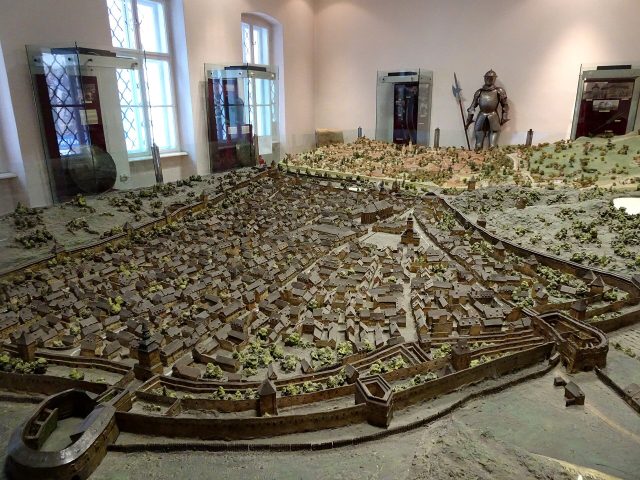
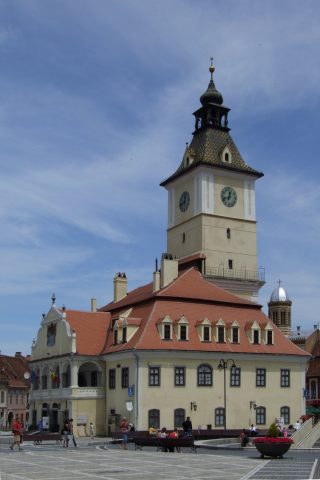
Piața Sfatului anchors the city. From here, narrow alleys branch out to churches, museums, and craft shops. The Black Church stands at one end, its soot-stained walls a relic of an 18th-century fire. Inside, an organ with thousands of pipes plays during concerts, and on Sundays, the choir’s voices fill the vaulted space. A funicular climbs Mount Tâmpa in minutes; at the top, the view stretches over red roofs and forested peaks. The descent through pine woods is quieter, the air thick with resin.
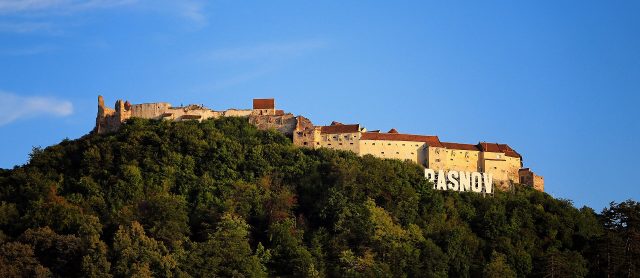
Beyond the city, the Carpathians begin. A half-hour drive delivers you to trails where summer meadows bloom with wildflowers and winter turns slopes into ski runs. Poiana Brașov offers pistes for all levels, but the city itself has its own winter rituals: Christmas markets in the square, mulled wine in steamy mugs. In summer, hikers head to Râșnov Fortress, built in the 13th century to repel invaders, or to the seven lakes hidden in the hills. Locals say the weather only dictates the activity, not the day’s possibilities.
Brașov doesn’t try to be a tourist hub. No crowds, no neon signs, no vendors pushing souvenirs. Instead, you’ll find quiet courtyards where men play chess, restaurants serving sarmale and mămăligă, and streets that reward slow walks. The pace lets you notice details: sunlight through the trees, the smell of fresh bread, laughter from a café. Try *papanași*—fried dough with sour cream and jam—or sit on a terrace with coffee as the city stirs. By evening, streetlights soften the old buildings, and the city seems to exhale.
See & Do
13 places

Places on the map
Marker colour follows the categoryClimate and weather
Detailed weather: Brasov- Average temperature
- 10 °C
- Precipitation per year
- 789 mm
- Average humidity
- 72 %
- Sunshine hours per day
- 8.8 h
- Time zone
- UTC+3 (GMT+3)
Average air temperature
°C
0
0
5
9
12
19
21
21
16
10
5
1
Jan
Feb
Mar
Apr
May
Jun
Jul
Aug
Sep
Oct
Nov
Dec


