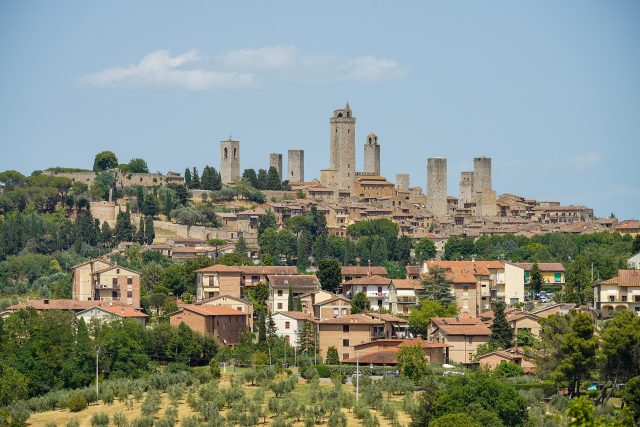
Ramallah
Palestine · 5 places
Photo: OneArmedMan, Public domain
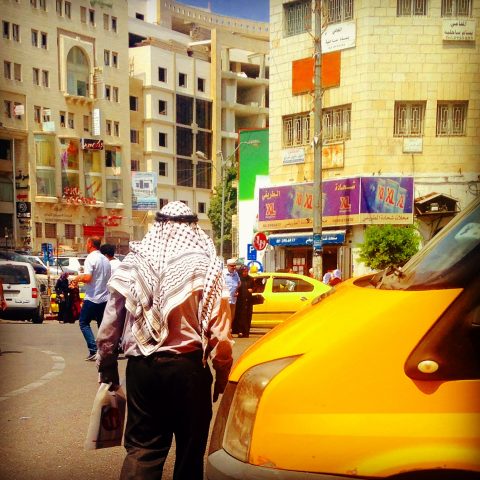
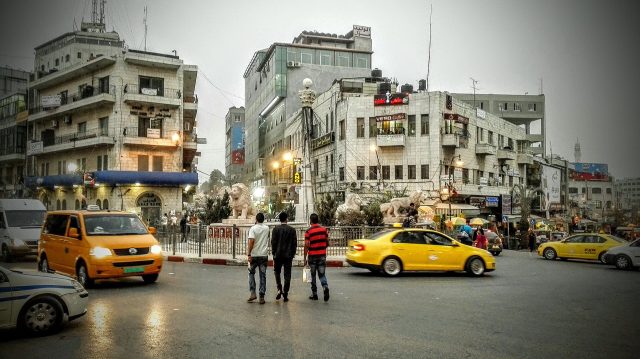
Ramallah doesn’t reveal itself all at once. There are no crowds of tourists here like in Jerusalem or Bethlehem, and that might be why it feels different. The city moves at its own pace, a quiet rhythm of daily life in the administrative heart of the Palestinian Authority. Beneath the official veneer of government buildings and diplomatic offices, something more intimate unfolds. The narrow streets of the old quarter hum with the clatter of backgammon pieces as elderly men play outside small shops, the scent of fresh bread drifts from bakeries in the morning, and evenings stretch out over cups of coffee on café terraces. Ramallah doesn’t try to impress—it simply exists, and that’s where its appeal lies.
Perched on rolling hills, the city offers views that linger in the memory. Sunsets are particularly striking, as the light softens over the Judean hills, casting long shadows from minarets and church steeples. The center still holds remnants of its Ottoman past—houses with carved balconies and inner courtyards where merchants once conducted their business. Many have been restored, but not turned into museums; people still live in them, work in them, or run small galleries. Walking through the old city feels like stepping through layers of history, all packed into a single square kilometer.
Ramallah is a place of contrasts. Modern bank towers and government buildings stand just streets away from tiny, weathered shops selling spices and olive oil the same way they have for generations. There are youthful spaces covered in street art, quiet cafés where poets and artists gather, and markets where haggling over every shekel is part of the ritual. In recent years, the city has become a hub for Palestinian cultural life, hosting film festivals, contemporary art exhibitions, and concerts that draw crowds from across the West Bank. Yet it hasn’t lost touch with tradition—during Ramadan, the streets come alive with celebration, and during religious holidays, lanterns and lights transform the city into something festive.
Life in Ramallah isn’t always easy, and that’s part of its reality. The political situation shapes daily existence—checkpoints, movement restrictions, and a tension that ebbs and flows. But the city carries an undercurrent of resilience. Locals have learned to adapt, finding joy in small things: a plate of fresh hummus at a neighborhood spot, an evening with friends in the park, or a stroll along the promenade where young people gather as the sun goes down. It’s a city that lives, breathes, and invites you to see it as it is.
See & Do
All of them

Places on the map
Marker colour follows the categoryClimate and weather
Detailed weather: Ramallah- Average temperature
- 17 °C
- Precipitation per year
- 0 mm
Average air temperature
°C
8
9
11
16
20
22
24
25
23
21
15
11
Jan
Feb
Mar
Apr
May
Jun
Jul
Aug
Sep
Oct
Nov
Dec