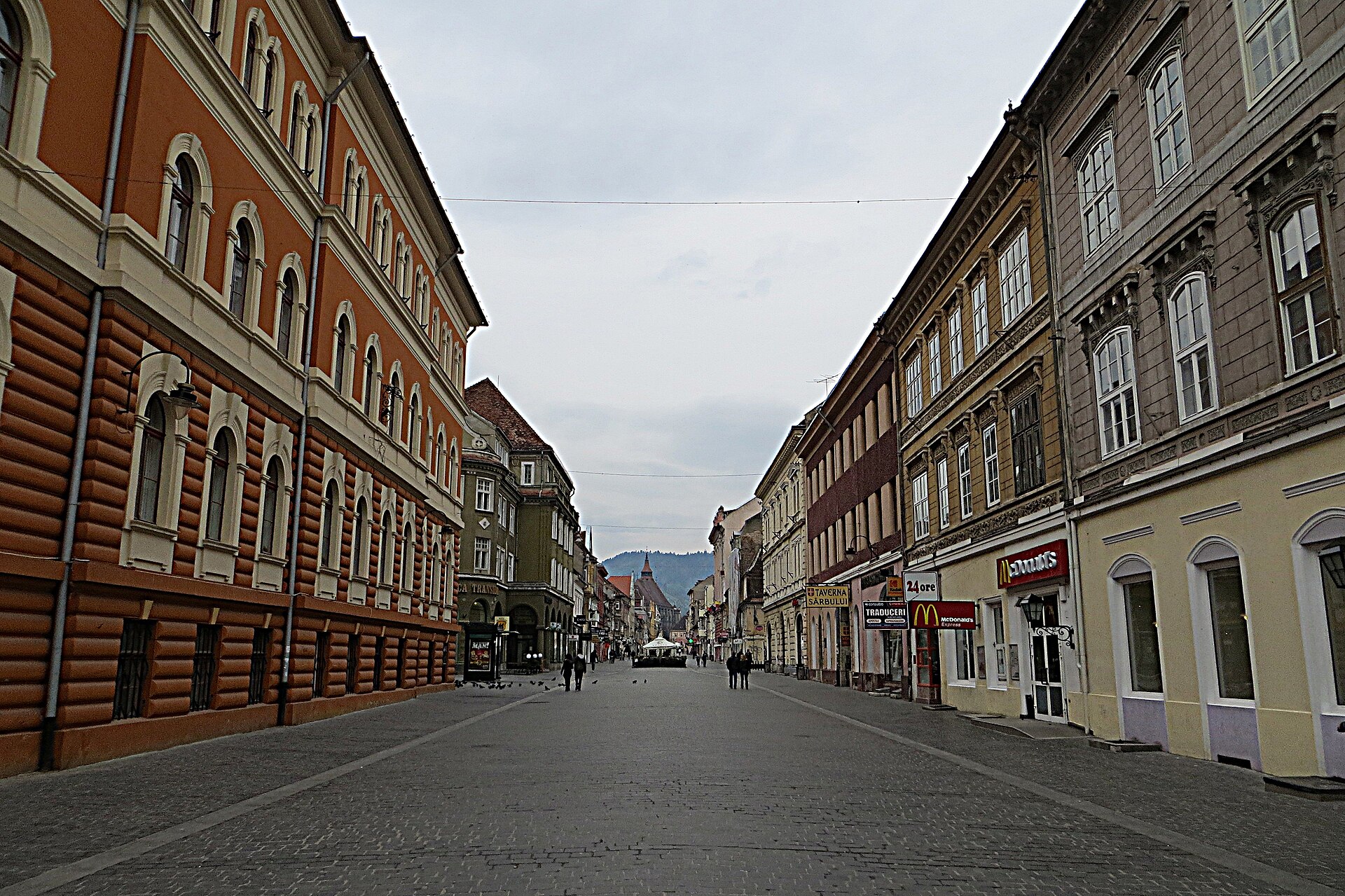
Strada Republicii is one of those streets that doesn’t just connect two points in a city—it carries the very essence of Brașov within its cobblestones. Stretching through the historic center, it links Piața Sfatului with Piața Unirii, serving as a living witness to centuries of trade, celebration, and everyday life. Today, it remains a place where locals and visitors intersect, each drawn for their own reasons: some seek the charm of old Europe, while others simply move through its unhurried yet vibrant rhythm.
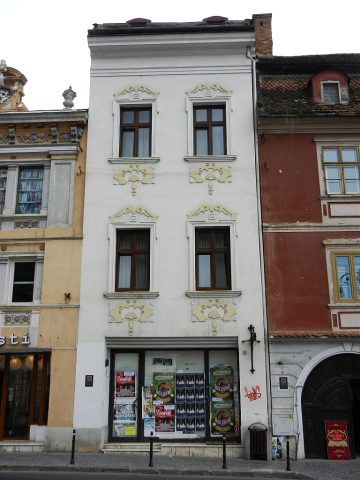
The architecture here tells a story without words. Most of the buildings are two or three stories tall, their steep roofs and tall windows typical of Transylvanian towns. Many date back to the 18th and 19th centuries, when Brașov flourished as a hub of commerce and craftsmanship. Some facades still bear the marks of their former owners’ prosperity—ornate stucco, wrought-iron balconies, and even coats of arms. One of the most striking is the so-called House of the Dragons at number 29, where stone carvings of mythical creatures once served as guardians for the home.
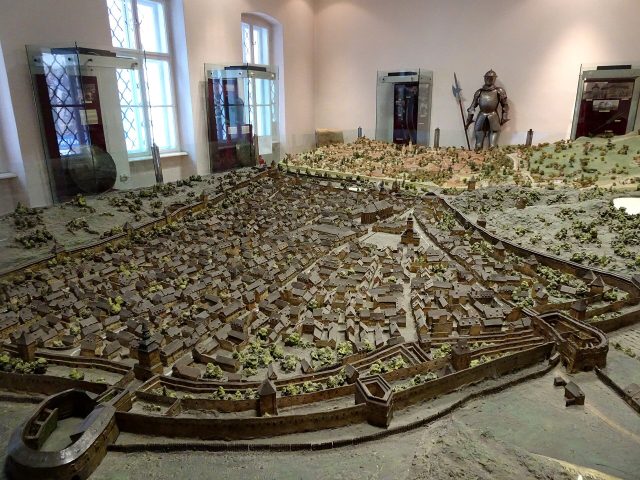
In medieval times, this street was part of a vital trade route linking Transylvania with Wallachia and Moldavia. Craftsmen’s workshops, merchant inns, and warehouses lined its path, reflecting Brașov’s importance as a commercial center. Over time, as the city expanded, Strada Republicii became its main artery, shaping the social life around it. By the 19th century, cafés and shops appeared, followed by cinemas and banks in the early 20th century, cementing its role as the heart of the city.
Nowadays, the street pulses with modern life. During the day, tourists pause to photograph the historic buildings while locals go about their routines—stopping for coffee, running errands, or meeting friends. As evening falls, the atmosphere shifts. Lanterns glow, music spills from bars, and the scent of Romanian dishes drifts from restaurants. Weekends bring even more energy, with concerts or small fairs often held in Piața Sfatului.
Yet Strada Republicii hasn’t become a mere open-air museum. People still live in the upper floors of these old buildings, while the ground levels house pharmacies, offices, and shops. This blend of past and present gives the street a lived-in feel—less like a stage set and more like a place where history and daily life coexist. You might step into a small bookstore with volumes in Romanian and Hungarian or browse a shop selling handmade crafts from local artisans.
The charm lies in the details. Vintage-style streetlamps flicker on at dusk, wooden signs creak in the breeze, and brass plaques on some buildings commemorate notable figures who once lived here. One honors Ion Creangă, a beloved Romanian writer who spent time in Brașov. These small touches invite you to slow down and notice the layers of history embedded in the street.
A walk here also offers glimpses of other parts of the old town. Side streets lead to the Black Church or the medieval fortifications, while Piața Unirii anchors the other end with its historic cathedral. In warmer months, the street often hosts open-air exhibitions or festivals, and in winter, a Christmas tree lights up Piața Sfatului, turning the area into a festive hub.
Strada Republicii isn’t grand like some European boulevards, and that’s precisely its appeal. There’s no rush, no overwhelming scale—just the quiet persistence of time. Whether you visit in the morning for a quiet coffee or return in the evening to stroll under the lanterns, the street reveals itself differently each time, always offering something new to those who pay attention.