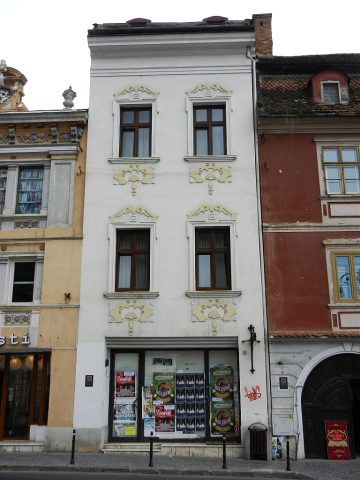
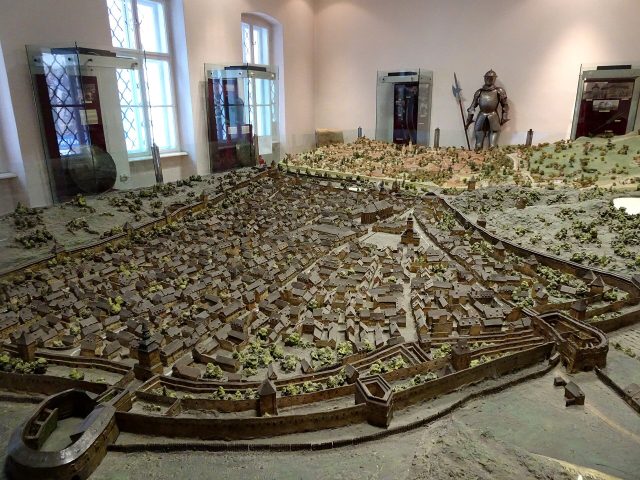
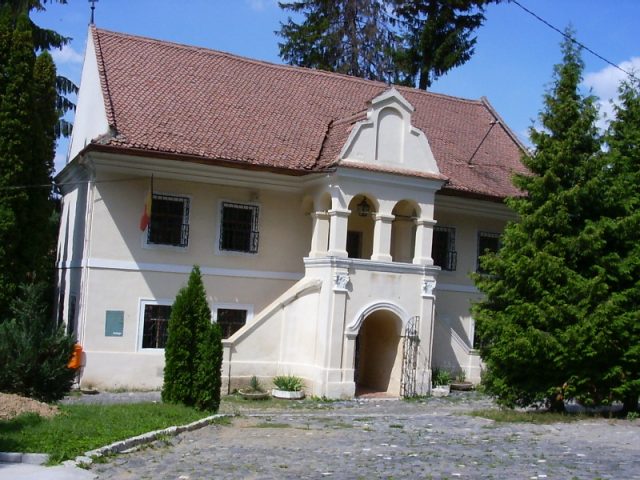
The Black Church stands in the heart of Brașov like a silent witness to centuries of history. Its dark, weathered walls rise above the cobblestone square, a stark contrast to the pastel hues of the surrounding medieval houses. The name isn’t immediately obvious—it’s only when you stand close that the soot-stained stone reveals itself, a reminder of the fire that once ravaged the city and left its mark on the building. This isn’t just a church; it’s a monument to endurance, a place where the past lingers in every crack and crevice.
Construction began in the late 14th century, when Brașov—then known as Kronstadt—was a thriving trade hub linking Western Europe to the Ottoman Empire. The city was part of the Kingdom of Hungary, and its Saxon settlers shaped its identity, leaving behind a legacy that still defines the region. Originally dedicated to the Virgin Mary, the church became Lutheran after the Reformation in the 16th century, a shift that influenced its architecture and atmosphere. The Gothic style, with its towering spires and pointed arches, reflects the work of German craftsmen who brought their traditions to Transylvania.
The fire of 1689 was a turning point. It destroyed much of Brașov, including the church’s wooden elements, and left the stone walls blackened by smoke. The damage was so extensive that the building took decades to restore, and even then, the dark patina remained. Over time, the name stuck—the Black Church became a symbol of resilience, its appearance a testament to survival. If you look closely, you’ll notice that not all the stone is uniformly dark; some sections were later cleaned or replaced, but the overall effect is striking.
Inside, the church feels vast and airy, with a nave that stretches nearly forty meters high. The light filters through stained-glass windows, casting shifting patterns on the stone columns. Unlike the ornate cathedrals of Western Europe, this space is restrained, reflecting Lutheran simplicity. Yet there are exceptions, like the enormous 17th-century Oriental carpet covering the wall behind the altar. Donated by local merchants, it’s one of the largest of its kind in Europe, a reminder of the city’s trading past. Carpets were once a practical part of worship, used by congregants during services, and their presence here adds a layer of warmth to the otherwise austere interior.
The organ is another highlight. The current instrument, installed in the 1930s, is one of Romania’s largest, and its deep, resonant tones fill the church during concerts. These performances aren’t just about music—they’re a way to experience the building’s acoustics, to hear how sound moves through centuries-old stone. Even without music, the church never feels empty. Visitors wander the aisles, some pausing in quiet reflection, others tracing the details of the architecture with their eyes.
Outside, the Council Square buzzes with life. In summer, tourists sit on the church steps, sipping coffee from nearby cafés or watching the world go by. In winter, the square transforms, hosting markets and festivals, with the church’s silhouette looming over the festivities. The building is more than just a backdrop—it’s part of the rhythm of the city, a constant presence in the daily lives of Brașov’s residents.
What makes the Black Church special isn’t its grandeur or its fame, but its authenticity. It has survived wars, fires, and political upheavals, yet it remains a place of worship, culture, and community. There’s no need for spectacle here; the building speaks for itself. Step inside, look up at the vaulted ceilings, and you’ll feel it—the weight of history, the quiet strength of a place that has seen it all and still stands.