Mount Tâmpa
From Brașov’s old town, the mountain looms—a forested ridge that feels like the city’s shadow. Its slopes shift with the light: mist clinging to the trees at dawn, the rocks glowing amber by late afternoon. At just under a thousand meters, it’s not tall, but its presence is inescapable. Locals call it Tâmpa, as if it’s another street in the neighborhood.
The cable car or your own two feet
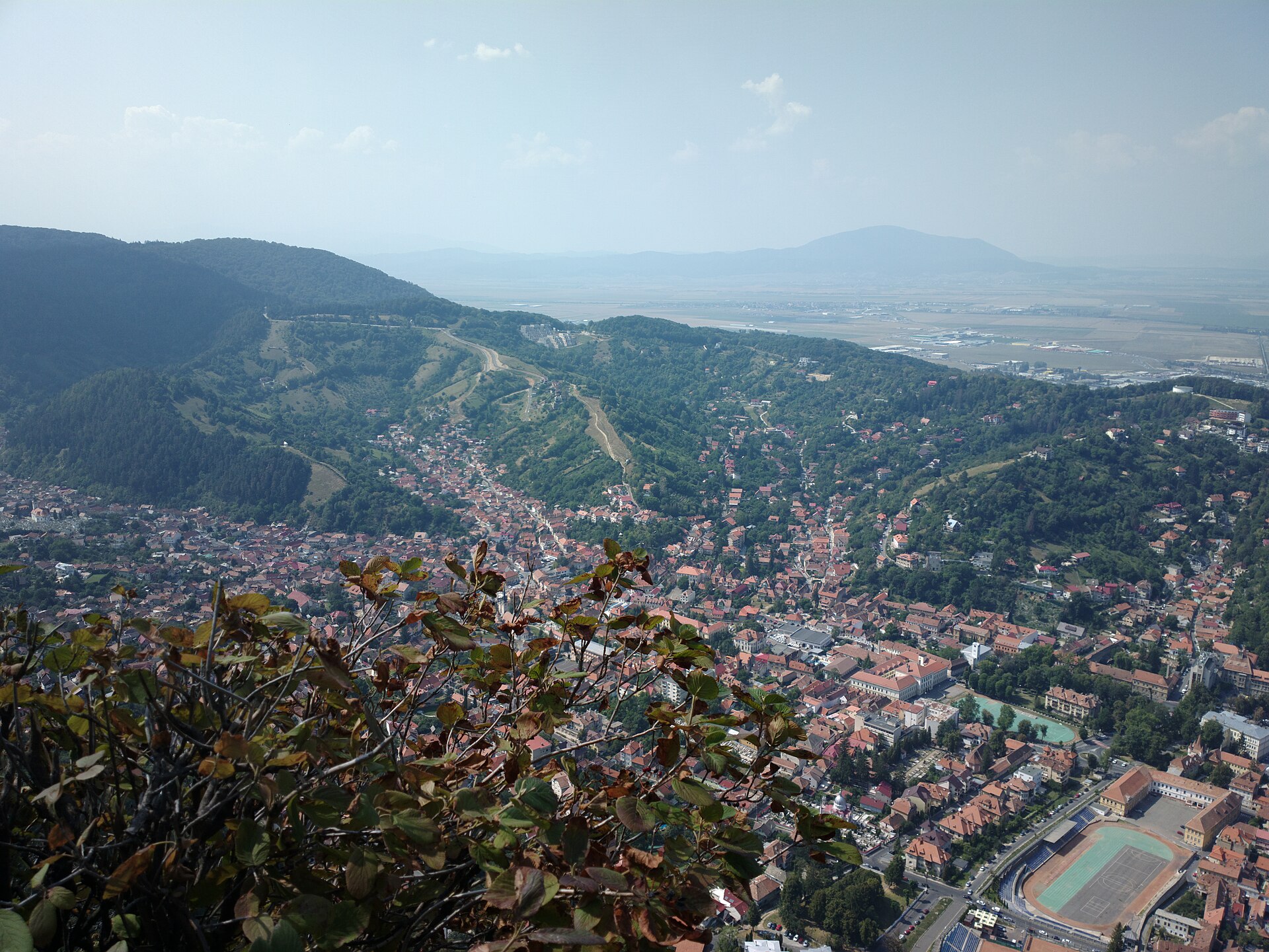
The cable car station sits at the edge of the old town, where the pavement gives way to dirt paths. The ride lasts minutes, lifting you above rooftops and into the canopy. Below, the city’s hum fades; above, the wind moves through the leaves. At the top, Brașov sprawls beneath you—red roofs, church spires, the jagged outline of the Carpathians cutting into the horizon.
If you’d rather walk, take the trail near the station. The path is clear, the incline steady. Every few bends, the trees open up, revealing slices of the city below. The air cools as you climb; by the summit, you’ll be breathing hard, but the view will have already stolen your breath.
How the mountain shaped the city
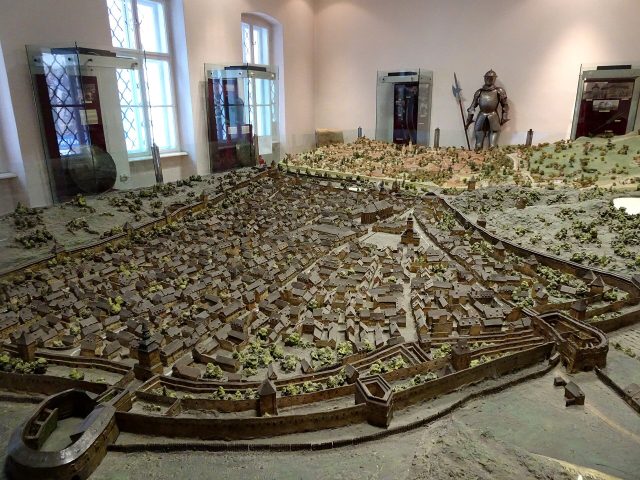
In the Middle Ages, Tâmpa was a shield. The Saxons who settled here in the 12th century built fortifications along its slopes, though time has worn them down to whispers in the landscape. The mountain dictated where the city could grow, its streets curving around the base like roots around a boulder.
By the 19th century, the first cable car—a rickety wooden thing—connected the city to its guardian. Later, quarries scarred the slopes, but the forest crept back, softening the edges. In the 1930s, someone painted *BRASOV* in white letters across the mountainside. No one knows why. Some say it was temporary; others, a stunt. Either way, the letters stuck, as much a part of Tâmpa now as the rocks beneath them.
What you’ll find at the top
A flat stretch of earth, a handful of benches, the occasional picnic blanket. The restaurant up here serves drinks more than meals, but no one comes for the food. They come for the space—for the way the wind carries the scent of pine, for the way the city looks small and distant, like something you could hold in your hands.
In summer, the lights of Brașov flicker on as the sun sets. The Carpathians turn gold, then pink, then purple. If you’re lucky, you’ll catch the moment when the last light hits the ridge and the whole world seems to pause.
Legends and quiet truths
One story says a dragon once lived in a cave here, terrorizing the city until a knight killed it. Another claims merchants smuggled goods through tunnels beneath the mountain. The truth is harder to pin down. What’s certain is that Tâmpa has always been a place to escape to—a refuge from the city’s walls, a spot to catch your breath.
In winter, the mountain changes. The trails empty. Snow dusts the trees. The cable car still runs, but the crowds thin, and the silence feels heavier, more deliberate. The city below looks softer, the mountains in the distance sharper. It’s a different kind of quiet, the kind that settles into your bones.
Beyond the summit
From the top, trails branch into the Carpathians. Postăvarul. Piatra Craiului. In summer and autumn, the forests blaze with color, and hikers vanish into the trees. Tâmpa is the threshold—the last bit of city before the wild begins.
Why it matters
It’s not the height or the view that makes Tâmpa special. It’s the way it fits into the city’s life. The old men on benches, the children learning to ride bikes, the couples walking at dusk. The mountain doesn’t ask for anything. It just stands there, shaping the way Brașov moves, breathes, lives.