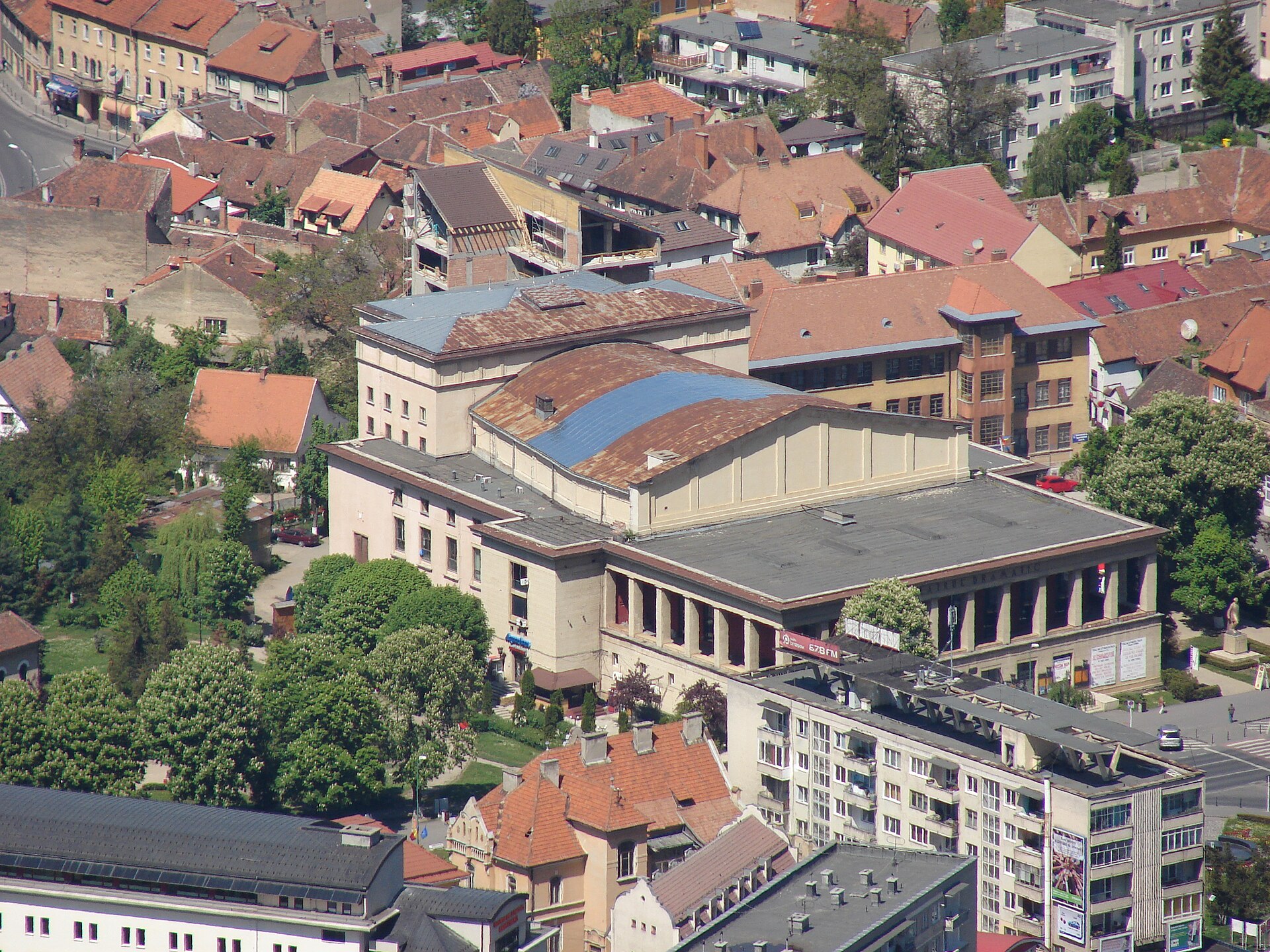
The Sică Alexandrescu Theatre in Brașov is one of those places where the city’s cultural heartbeat feels strongest. Tucked away in the historic center, it doesn’t announce itself with grand facades or towering monuments, but rather with the quiet confidence of a space that has seen generations of stories unfold. The building itself is a blend of old and new, its exterior a modest yet elegant structure that hints at the artistic life within. Over the years, it has become a cornerstone of Brașov’s performing arts scene, a place where theater, music, and dance find a home.
The theater’s history is intertwined with the broader cultural evolution of Romania. It was named after Sică Alexandrescu, a director and actor whose work left a lasting mark on Romanian theater in the early 20th century. Alexandrescu was known for his innovative approach, blending classical traditions with modern sensibilities, and the theater that bears his name has carried that spirit forward. While the building itself isn’t ancient—it was established in its current form in the mid-20th century—it stands on ground that has been a stage for performances for much longer. The area around it has always been a hub for artists, intellectuals, and audiences looking for something more than just entertainment.
Inside, the theater is intimate yet versatile. The main auditorium is designed to draw the audience into the performance, with seating arranged to create a sense of closeness between the actors and those watching. The acoustics are carefully balanced, ensuring that every word and note carries clearly, whether it’s a whispered line in a play or a full orchestral piece. The stage itself is adaptable, capable of hosting everything from small experimental productions to larger, more elaborate shows. Over the years, it has seen performances ranging from classic Romanian plays to contemporary works, as well as concerts, ballet, and even film screenings.
What makes the Sică Alexandrescu Theatre special is its role in the community. Unlike larger, more commercial venues, it feels like a place where art is made for the sake of art, not just for spectacle. The programming often reflects this ethos, with a mix of well-known works and lesser-known pieces that might not find a home elsewhere. Local theater companies frequently perform here, and the theater has become a training ground for young actors and directors. It’s not uncommon to see students from nearby universities in the audience, or to find workshops and discussions taking place in the smaller spaces around the main hall.
The atmosphere inside the theater is one of anticipation and warmth. Before a show, the foyer buzzes with conversation, the clink of coffee cups, and the rustle of programs being read. The audience here is diverse—locals who have been coming for years, visitors curious about Brașov’s cultural scene, and sometimes even groups of students on field trips. The theater doesn’t feel like a relic of the past; it’s alive, adapting to the tastes and interests of each new generation. Even the building itself has evolved, with renovations over the years ensuring that it remains a comfortable and functional space without losing its character.
Beyond the performances, the theater is also a place where the city’s history is subtly present. Brașov has always been a crossroads of cultures, and that diversity is reflected in the kinds of stories told on its stage. Romanian plays share space with works from other European traditions, and the theater has hosted international troupes as well. This openness is part of what has kept it relevant for so long. It’s not just a monument to the past but a living part of the city’s cultural dialogue.
For visitors to Brașov, the Sică Alexandrescu Theatre offers a chance to see the city from a different angle. While the Black Church, the Council Square, and the old town walls are undeniably impressive, they tell only part of the story. The theater, with its quiet presence and its commitment to the arts, reveals another side of Brașov—one that is creative, dynamic, and deeply human. Whether you’re there for a play, a concert, or just to soak in the atmosphere, it’s a place where the city’s soul feels a little closer to the surface.
If you do visit, it’s worth taking a moment to step outside after the show. The streets around the theater are some of the most atmospheric in Brașov, especially in the evening. The glow of the old streetlamps, the murmur of people heading home, and the occasional sound of music drifting from a nearby café all add to the sense that this is a city where culture isn’t just something you observe—it’s something you live. The Sică Alexandrescu Theatre, in its own understated way, is at the heart of that experience.