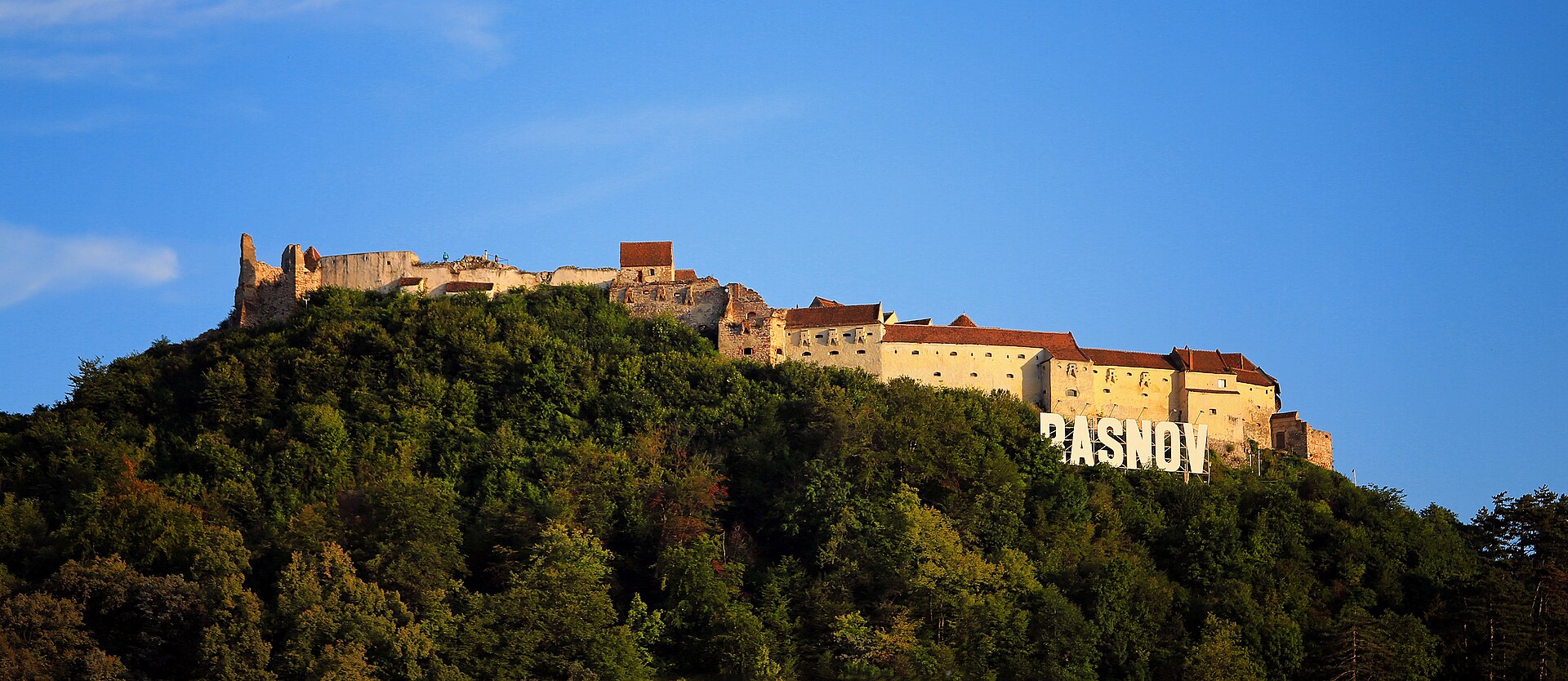
Perched on a rocky hilltop just outside the medieval town of Râșnov, the fortress that now houses the Râșnov Citadel Museum has watched over the Burzenland region for centuries. Its origins stretch back to the early 1300s, when the Teutonic Knights first fortified the site to defend against invasions from the east. Later, Saxon settlers expanded the structure into a formidable stronghold, designed not just for war but as a refuge for villagers during times of siege. The fortress’s strategic position—overlooking the valley that connects Transylvania to Wallachia—made it a silent witness to countless conflicts, from Ottoman raids to peasant uprisings. Today, the citadel stands as one of the best-preserved examples of a peasant fortress in Romania, its thick stone walls and narrow passageways offering a tangible connection to the past.
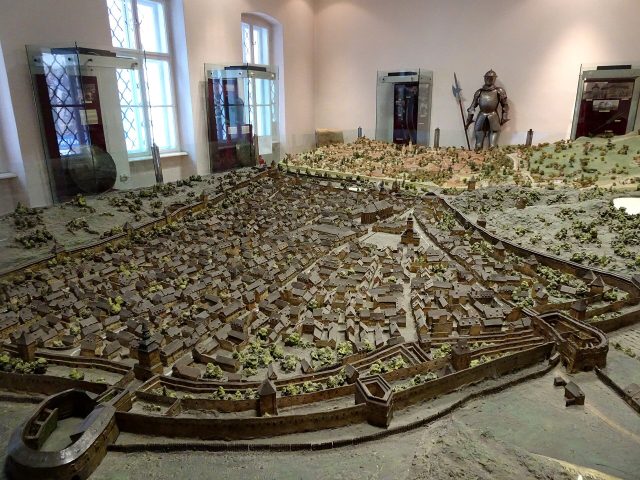
Walking through the citadel’s gates feels like stepping into another era. The outer walls, reinforced over generations, curve around the hillside in a rough oval, their weathered surfaces bearing the marks of time. Inside, the layout is a maze of cobblestone paths, arched doorways, and small courtyards, each corner revealing another layer of the fortress’s history. The museum itself is modest but thoughtfully arranged, with exhibits that trace the daily lives of the people who once sought shelter here. Tools, weapons, and household items are displayed alongside explanations of how the fortress functioned as both a military outpost and a temporary home for families during prolonged sieges. One of the most striking features is the deep well carved into the rock, a lifeline during times of blockade, its water supply ensuring the citadel’s survival when all else failed.
The architecture of Râșnov Citadel reflects the pragmatic ingenuity of its builders. Unlike the grand castles of Europe’s nobility, this fortress was constructed by and for ordinary people—farmers, craftsmen, and merchants who needed protection but lacked the resources for elaborate defenses. The walls are thick and low, designed to withstand arrows and cannon fire rather than impress with height. Towers were added over time, their simple, functional design serving as lookout points rather than decorative flourishes. The absence of ornate details doesn’t diminish the fortress’s character; instead, it underscores the resilience of those who built it. The citadel’s design also reveals the challenges of its location—built on a steep slope, it required careful engineering to ensure stability, with terraces and retaining walls preventing erosion over the centuries.
Beyond its military significance, Râșnov Citadel holds a place in the cultural memory of the region. For the Saxon communities that settled in Transylvania, fortresses like this one were symbols of survival in a land often caught between empires. The citadel’s role as a refuge extended beyond physical protection; it was a place where traditions were preserved, where stories of past sieges were passed down through generations. Even after the threat of invasion faded, the fortress remained a gathering point for local festivals and markets, its walls echoing with the sounds of commerce and celebration. Today, visitors can still sense that legacy in the quiet courtyards, where the wind carries the faintest hint of the past—whether it’s the clatter of hooves on cobblestones or the murmur of voices planning the next harvest.
The surrounding landscape adds another layer to the citadel’s story. From the fortress’s ramparts, the view stretches across rolling hills and dense forests, a patchwork of green and gold that changes with the seasons. In the distance, the peaks of the Carpathian Mountains rise like a natural barrier, their presence a reminder of why this region was so fiercely contested. The valley below, dotted with villages and farmland, has been shaped by the same forces that built the citadel—hard work, adaptability, and a deep connection to the land. On clear days, the town of Râșnov itself is visible, its red-roofed houses clustered around the base of the hill, a modern contrast to the ancient stone above.
Visiting the citadel today is less about grand revelations and more about quiet appreciation. There are no towering halls or gilded artifacts here, just the steady weight of history in every stone. The climb up the hill is part of the experience, the path winding through patches of wildflowers and past the occasional grazing sheep. At the top, the reward isn’t just the view but the sense of stepping outside the rush of time. The museum’s exhibits, while informative, are secondary to the atmosphere of the place itself—the way the light slants through the arrow slits, the coolness of the stone underfoot, the occasional creak of an old wooden door. It’s a place that invites lingering, where the past doesn’t feel distant but strangely present.
For those interested in the broader history of Transylvania, Râșnov Citadel offers a counterpoint to the region’s more famous castles. While Bran and Peleș dazzle with their Gothic spires and royal connections, Râșnov tells a different story—one of resilience, community, and the everyday struggles of life on the frontier. It’s a reminder that history isn’t just made by kings and battles but by the people who built their lives in the shadow of conflict. The citadel’s survival, against both time and neglect, speaks to that enduring spirit. Even now, as tourism brings new visitors to its walls, the fortress retains a sense of quiet dignity, as if it’s still waiting, just as it always has, for the next chapter to unfold.