Piata Sfatului, or Council Square, sits at the heart of Brasov, a city shaped by centuries of trade, conflict, and cultural exchange. This open space has been the stage for markets, public gatherings, and historic events since the Middle Ages, when Brasov was a key stop on the trade routes connecting Transylvania with Wallachia and the Ottoman Empire. The square’s name comes from the old town hall that once stood here, where merchants, guilds, and local leaders would meet to settle disputes and make decisions that shaped the city’s fate. Today, the square remains a place where the past and present overlap, with its cobblestone surface worn smooth by generations of footsteps.
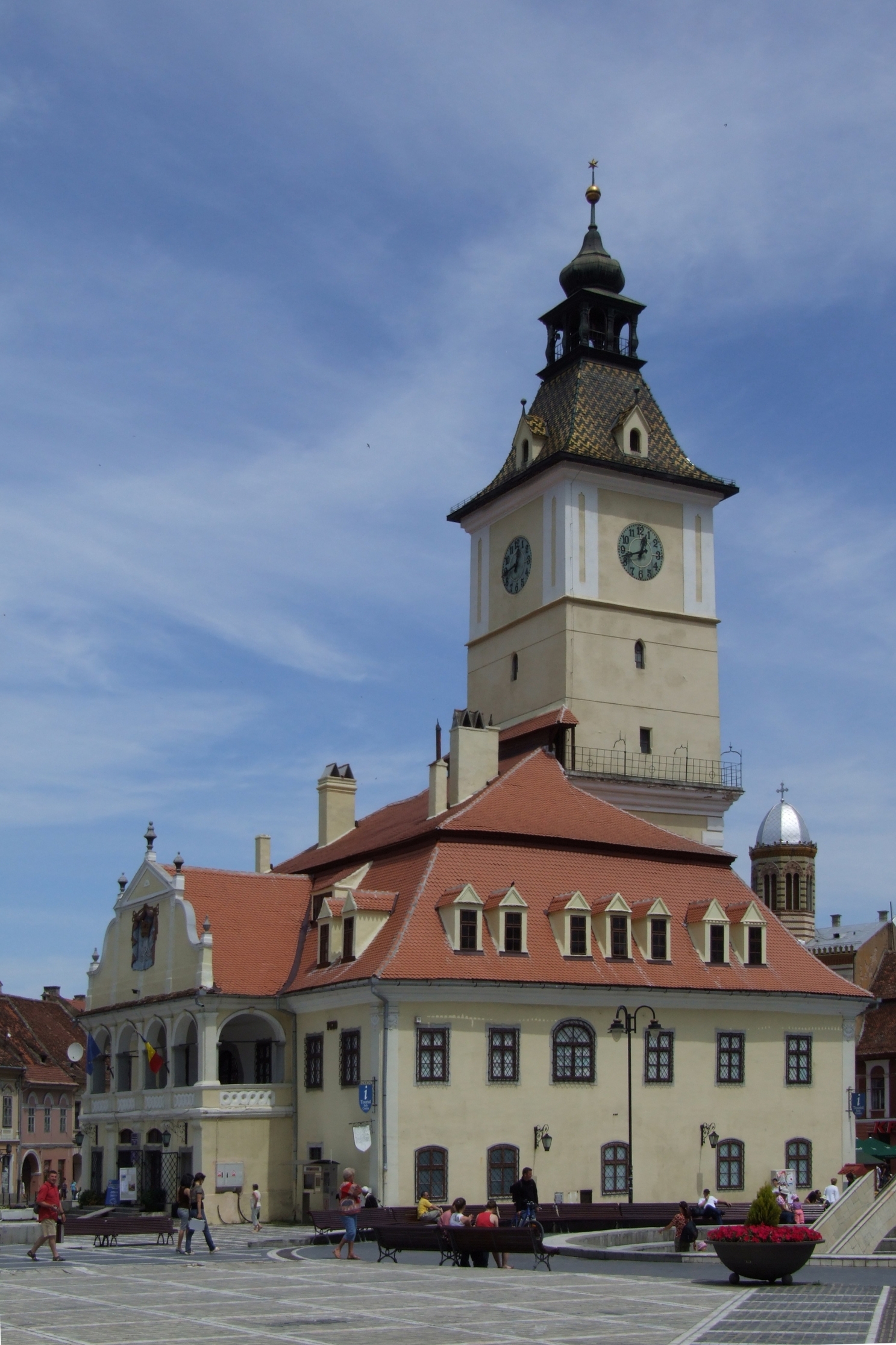
The architecture around Piata Sfatului tells the story of Brasov’s layered history. The most striking building is the Council House, now home to the Brasov County Museum, with its tall clock tower that has watched over the square since the 15th century. The tower’s baroque facade, added later, contrasts with the Gothic elements of the original structure, a reminder of how styles and influences have blended here over time. Nearby, the Black Church looms in the background, its massive silhouette dominating the skyline. Though not directly on the square, its presence is felt everywhere, a symbol of the city’s Saxon heritage and the religious tensions that once defined this region.
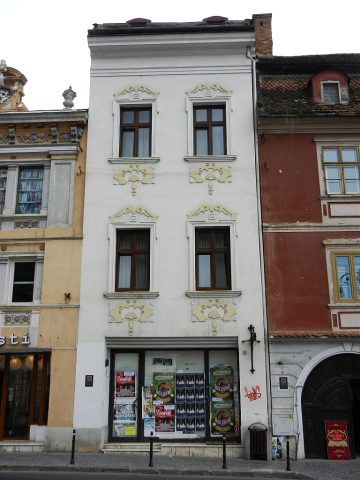
The square itself is framed by rows of colorful merchant houses, their facades painted in shades of ochre, pastel blue, and muted green. Many of these buildings date back to the 17th and 18th centuries, when Brasov was a prosperous trading hub. The ground floors were once workshops and shops, while the upper floors served as living spaces for the city’s craftsmen and merchants. Some of these houses still bear the marks of their original owners, like the old guild signs carved into stone or the wrought-iron hooks that once held lanterns. Walking along the arcades that line the square, you can almost hear the clatter of hooves and the murmur of bartering that filled these streets centuries ago.
Piata Sfatului has always been more than just a marketplace. It was here that public executions took place in the 16th century, where royal decrees were read aloud, and where the city’s inhabitants gathered to celebrate or protest. One of the most infamous moments in its history came in 1688, when the square was the site of a brutal massacre during the uprising against Habsburg rule. Later, in the 19th century, it became a place of leisure, with cafes and restaurants opening their doors to travelers and locals alike. Even today, the square retains this dual role—part historical monument, part living space where people still come to meet, eat, and soak in the atmosphere.
The square’s layout has changed little over the centuries. The cobblestones, though repaired many times, follow the same paths they did in medieval times. In the center, a small fountain serves as a quiet focal point, surrounded by benches where visitors can sit and watch the world go by. During the warmer months, the square fills with outdoor seating from the surrounding cafes, and the air is thick with the scent of coffee and grilled meats. In winter, the square transforms into a festive scene, with a Christmas market that draws crowds from across Romania and beyond. The twinkling lights and the sound of carols give the place a magical feel, as if time has momentarily slipped back to an earlier, simpler era.
What makes Piata Sfatului special is its ability to feel both timeless and alive. Unlike some historic squares that have become little more than open-air museums, this one still functions as the heart of Brasov. Locals gather here for morning coffee, tourists pause to take photos, and street musicians occasionally set up near the fountain, adding a soundtrack to the scene. The square’s size—neither too large nor too small—makes it feel intimate, as if it were designed for human scale rather than grand spectacle. Even the way the light falls across the buildings at different times of day gives the place a shifting character, from the soft glow of dawn to the golden hues of late afternoon.
The square is also a gateway to Brasov’s other attractions. From here, you can easily walk to the Black Church, the Rope Street (one of the narrowest in Europe), or the old fortifications that once protected the city. But many visitors find themselves lingering in the square longer than they planned, drawn in by its unhurried rhythm. There’s no rush here, no pressure to move on to the next sight. Instead, the square invites you to slow down, to sit on a bench or at a cafe table, and to watch the life of the city unfold around you.
Piata Sfatului is a place where history isn’t just preserved—it’s lived. The buildings, the stones, the very air seem to carry the weight of the past, yet the square never feels like a relic. It’s a reminder that cities are shaped by the people who pass through them, by the decisions made in their streets, and by the stories that unfold in their public spaces. For anyone visiting Brasov, the square is more than just a stop on a sightseeing itinerary. It’s a place to connect with the city’s soul, to feel its pulse, and to understand why this corner of Transylvania has endured for so long.