Perched on a hill above Brasov, Cetățuia overlooks the city’s red-tiled rooftops and winding streets. Its stone walls have stood through centuries—from the era when this region was a frontier between Christian Europe and the Ottoman Empire to the quieter years that came after. Here, history isn’t just recorded; it lingers in the air, heavy and real.
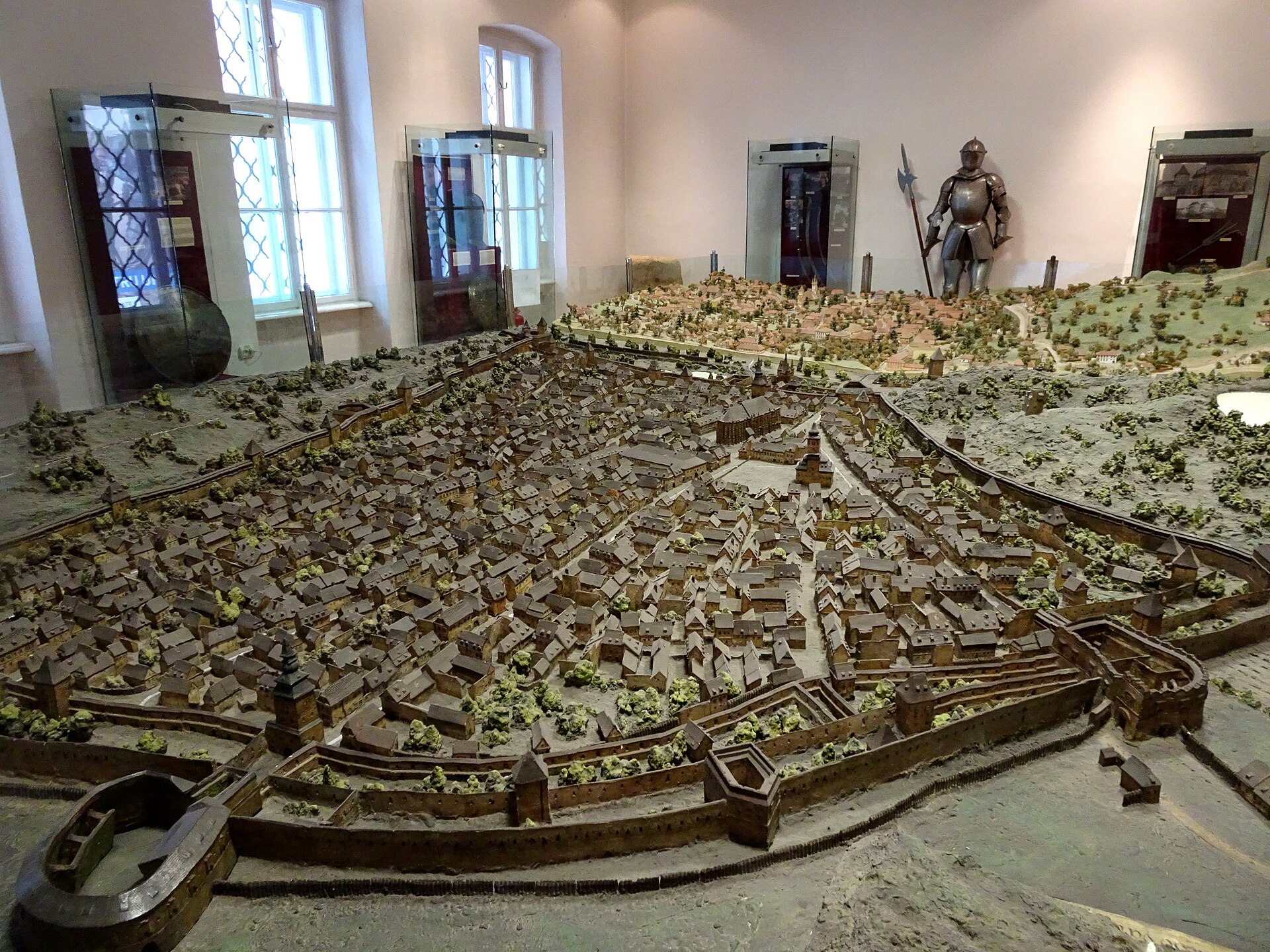
The fortress dates back to the 14th century, when Brasov was part of the Kingdom of Hungary and a key trade and defense hub. Positioned between Western Europe and the East, the city needed protection from raids. The earliest fortifications were wooden, but by the 15th century, they were replaced with thick stone walls, towers, and moats. The Ottoman threat in the 16th century led to further reinforcements, shaping the fortress into the structure seen today.
The architecture blends medieval military engineering with local traditions. The walls, up to two meters thick, encircle the hill in a sturdy loop, built from gray stone that has endured the centuries. Inside, you’ll find remnants of living quarters, storage buildings, and a well—essential during sieges. The main tower, the highest point, offers views of Brasov and the Carpathian Mountains beyond, their peaks sharp against the sky on clear days.
By the 17th century, the fortress had lost its military role. Over time, it served as a warehouse, a prison, and even a school. When Brasov became part of the Austro-Hungarian Empire in the 19th century, the fortress fell into disrepair. Stones were repurposed for other buildings, and the site became an early archaeological dig. Restoration efforts began in the mid-20th century, as interest in preserving historical landmarks grew. Now, Cetățuia stands as both a monument and a place where the past feels immediate.
The walk to the fortress is steep but rewarding—a twenty-minute climb from the city center along a narrow path. Signs along the way share fragments of Brasov’s history, and the route passes remnants of the old city walls that once encircled the town. These walls, though less imposing than the fortress’s, hint at Brasov’s strategic importance in Transylvania.
Inside, the atmosphere is quiet. Unlike crowded tourist sites, Cetățuia invites exploration at your own pace. The surviving walls, towers, and buildings let you piece together medieval life. Walking along the upper sections of the walls is especially striking—the views stretch over the city and toward the Bucegi Mountains, rising like a distant barrier. On clear days, the horizon feels limitless.
Local legends cling to the fortress. One tells of a 16th-century Ottoman siege, when defenders used their last barrel of gunpowder to blow up part of the wall and repel the attack. Another speaks of secret tunnels beneath the fortress, leading into the city—though no one has ever found them. These stories deepen the sense of mystery here.
Today, Cetățuia is more than a tourist spot. Locals gather here for medieval festivals, concerts, and exhibitions. In summer, torches light the courtyard at night, casting long shadows on the stones. In winter, snow blankets the hill, and the fortress takes on a hushed stillness. No matter the season, it feels as if the past is still present.
Visiting Brasov’s fortress is a chance to step into history. There’s no rush, no crowds—just the wind whispering through the old stones. It’s a place for those who savor discovery, where the past isn’t just remembered but felt. Though it no longer guards the city, the fortress remains a symbol of resilience.