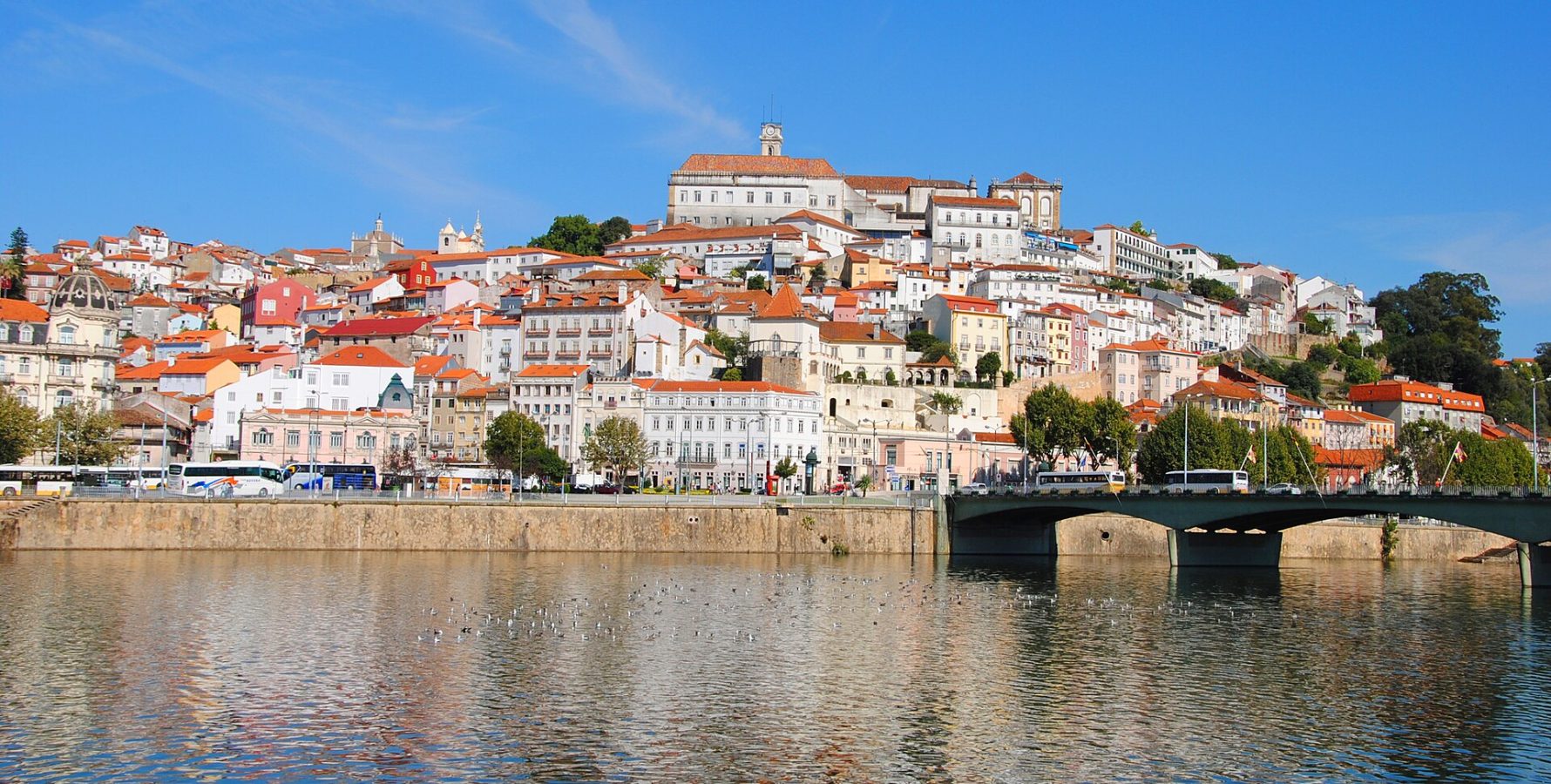
Coimbra
Portugal · 11 places
Photo: Leandro Neumann Ciuffo, CC BY 2.0
Coimbra is the kind of place you might overlook if you’re rushing north from Lisbon, assuming the real Portugal lies elsewhere. It doesn’t have the capital’s grandeur or the Algarve’s beaches, but that’s precisely why it lingers in the memory. The city moves to its own quiet rhythm, shaped by centuries of student life, winding streets, and the slow curve of the Mondego River.
At its heart is one of Europe’s oldest universities, founded in the 13th century, which still dictates Coimbra’s character. The institution isn’t just a collection of buildings—it’s the pulse of the city. Students in traditional black capes drift through the upper town, their voices echoing in courtyards where Latin chants and fado melodies blend into the evening air. The university’s presence is everywhere, from the grand Joanina Library—its gilded shelves holding thousands of ancient tomes—to the clock tower that overlooks the city like a silent guardian. The library, known simply as *Biblio*, feels like a sanctuary, its dark wood and soft light preserving not just books but a way of life.
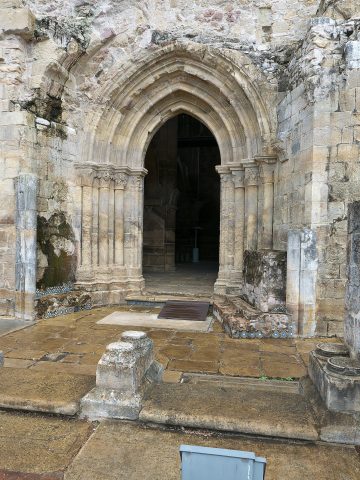
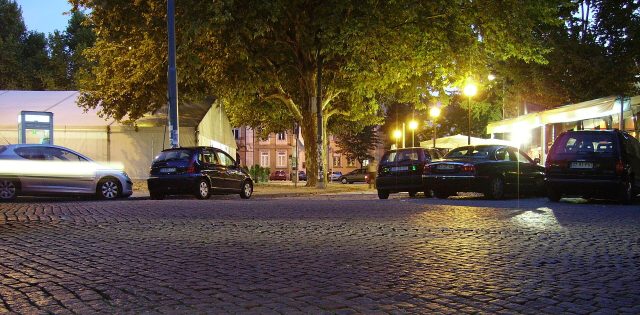
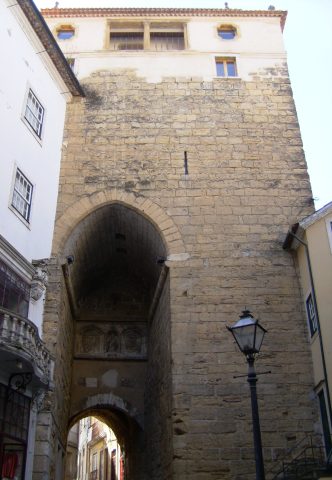
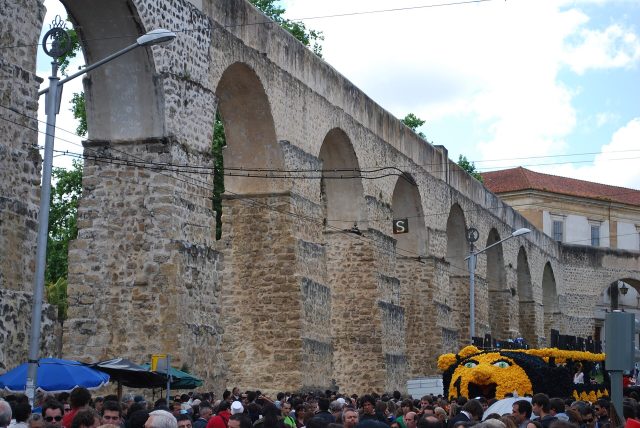
The upper town is where Coimbra’s history feels most tangible. Narrow cobblestone streets twist past medieval churches and crumbling monasteries, their facades worn smooth by time. At dusk, musicians gather in the squares, playing fado that sounds different here than in Lisbon—less raw, more wistful, as if the weight of centuries has seeped into the music. The tradition runs deep: in May, the city erupts during *Queima das Fitas*, when students burn their lecture notes in bonfires, marking the end of another academic year. For a few days, Coimbra becomes a stage for celebration, its streets filled with song, laughter, and the occasional recitation of Latin verse.
Down by the river, the mood shifts. The Mondego widens, its banks lined with cafés and riverside paths where locals and visitors alike linger over coffee or a glass of vinho verde. In summer, the waterfront comes alive—people picnic on the grass, rent rowboats, or simply wade into the cool current, though the river stays stubbornly chilly even in the heat. The lower town feels more modern, with its shopping districts and contemporary galleries, but traces of the old Coimbra persist. A tiny shop might sell artisanal cheese aged in local caves, or a backstreet bar could host an impromptu fado performance, its doors open to the night.
What makes Coimbra special is its refusal to perform. It doesn’t dazzle with flashy attractions or tourist traps. Instead, it invites you to slow down—to wander without a map, to sit in a café where students debate philosophy over pastries, or to watch the sunset paint the river in shades of gold and rose. The city reveals itself gradually, in small moments: the way the light slants through an arched doorway, the sound of footsteps on ancient stone, the quiet pride of a place that has shaped minds for centuries. And that’s why people return. Not for the grand gestures, but for the feeling of belonging to something timeless.
See & Do
11 places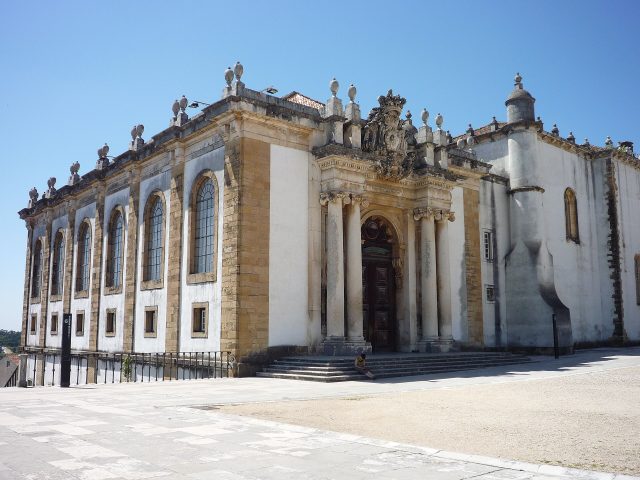
Places on the map
Marker colour follows the categoryClimate and weather
Detailed weather: Coimbra- Average temperature
- 16 °C
- Precipitation per year
- 892 mm
Average air temperature
°C
10
11
14
15
17
21
22
22
21
17
13
11
Jan
Feb
Mar
Apr
May
Jun
Jul
Aug
Sep
Oct
Nov
Dec


