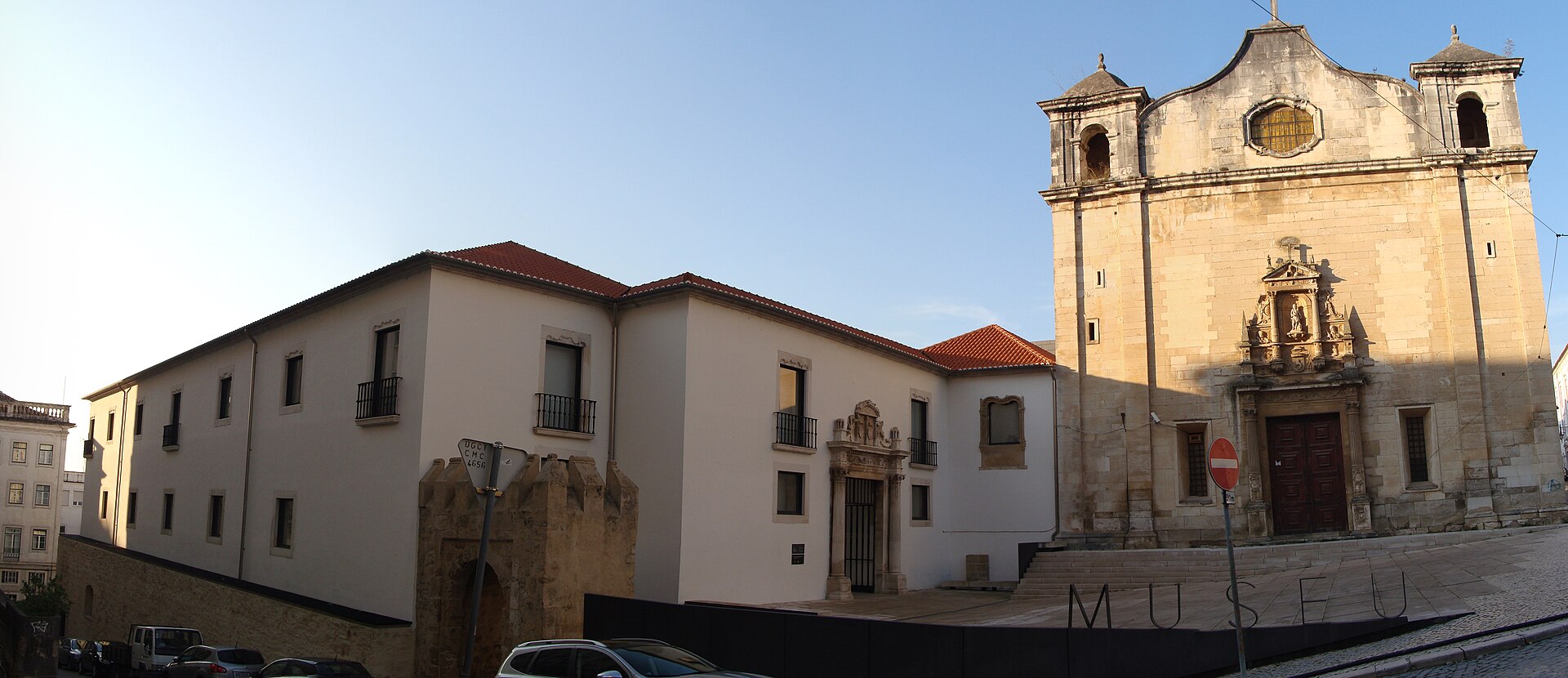
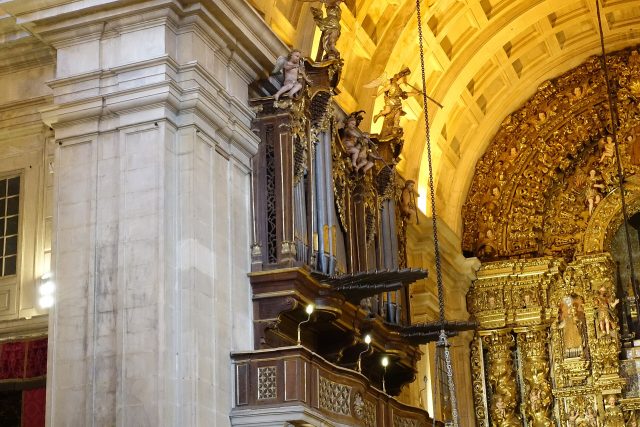
The Machado de Castro Museum in Coimbra is one of those rare places where history isn’t just displayed—it lingers in the very fabric of the building. Housed in the former bishop’s palace, the museum itself is a layered record of architectural evolution, spanning from the 12th to the 18th century. The structure began as a Romanesque foundation, later absorbed into Gothic expansions, and finally adorned with Baroque flourishes. Its walls have witnessed ecclesiastical courts, diplomatic receptions, and now the quiet footsteps of visitors tracing the past through its galleries.
The museum takes its name from João Machado de Castro, an 18th-century sculptor whose work remains a highlight of the collection. Though he spent much of his career in Lisbon, his roots in Coimbra ran deep, and the museum preserves that connection. Beyond his sculptures, the collection spans centuries of Portuguese art, with a particular strength in religious works. Wooden saints, painted altarpieces, and embroidered vestments offer a glimpse into an era when faith shaped daily life as much as it did the art that represented it.
One of the museum’s most intriguing features is its crypt, uncovered during mid-20th-century renovations. These remains of a Roman forum once stood at the heart of Aeminium, the ancient city that predated Coimbra. The rough-hewn stones and fragmented mosaics serve as a reminder that this place has been inhabited for millennia, long before the first Christian processions wound through its streets. The crypt is small but evocative, a space where the weight of two thousand years feels almost tangible.
The museum’s temporary exhibitions are carefully curated to complement its permanent collection, whether exploring medieval manuscripts, Portuguese ceramics, or contemporary interpretations of tradition. The building itself enhances the experience—its high ceilings, intricate plasterwork, and aged wooden doors make it feel less like a museum and more like a living archive. Even the light filtering through the old windows seems to carry the dust of centuries.
Coimbra’s identity as a university city seeps into the museum’s atmosphere. Students often fill the galleries, sketching sculptures or studying religious iconography, their presence adding a quiet energy. In the summer, the inner courtyard hosts classical concerts, where the music of violins and pianos mingles with the rustle of pages from old books and the imagined whispers of long-gone visitors. The museum isn’t a silent mausoleum; it’s a place where the past and present coexist.
Walking through its halls is like flipping through the pages of Portugal’s artistic history. The contrast between austere Gothic statues and ornate Baroque altars reveals shifting attitudes toward faith and beauty. The collection also includes Italian works, offering a chance to compare how different cultures approached similar themes. Each piece, whether a delicate ivory carving or a monumental wooden crucifix, tells a story of craftsmanship and devotion.
Located in the heart of Coimbra, the museum sits near the university and the old cathedral, making it an easy stop on a stroll through the city. Afterward, the narrow streets invite exploration—past small shops selling local sweets and ceramics, or down to the banks of the Mondego River, where the city’s unhurried rhythm continues. The museum isn’t just a destination; it’s part of Coimbra’s living fabric, a place where history feels close enough to touch.
In recent years, the museum has made efforts to welcome a broader audience. Audio guides and interactive displays help demystify the exhibits, while accessibility improvements ensure more people can experience the collection. Yet the essence of the place remains unchanged. It’s still a space for quiet reflection, where the focus is on the art and the stories it carries. The technology is just a tool; the real draw is the chance to stand in the presence of something enduring.