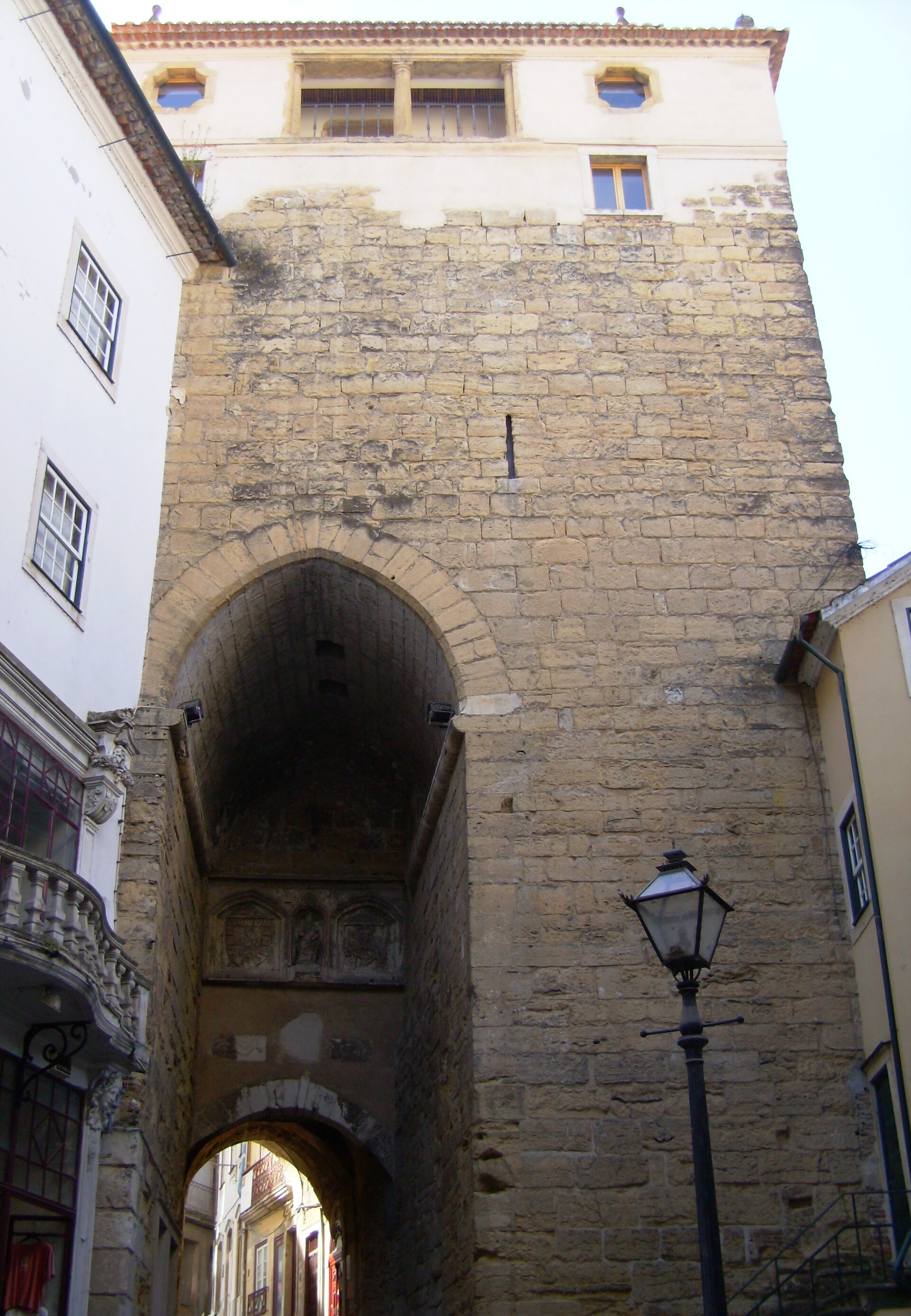
Perched on a quiet hill in Coimbra, the Alameda Tower is one of those places that lingers in your memory long after you’ve left. It doesn’t demand attention like the grand monuments of the city, but its presence is quietly compelling—a silent witness to centuries of history. From its vantage point, the old town unfolds below, the Mondego River winding through the landscape like a ribbon, its banks lined with the red-tiled roofs that define Coimbra’s skyline. The tower was built in the 16th century as part of the city’s defenses, a time when Coimbra was not just an academic hub but a strategic stronghold. Though its military purpose has faded, the thick stone walls and narrow arrow slits still hint at its past life, when it stood guard over the city and its university.
The architecture is unmistakably functional, a hallmark of Portugal’s defensive structures from that era. There’s no ornate detailing here, just solid, rectangular stonework designed to withstand sieges. Inside, the vaulted chambers once housed guards and supplies, their low ceilings and dim lighting a reminder of an age when practicality outweighed comfort. The staircases are steep and narrow, forcing anyone who climbs them to move carefully—a deliberate choice to slow down invaders. From the top, the view is worth the effort. On a clear day, you can trace the outlines of Coimbra’s other landmarks, their spires and domes rising above the hills like markers of the city’s layered history.
Coimbra’s identity has long been tied to its university, one of the oldest in Europe, and the Alameda Tower played a small but vital role in that story. In the 16th century, the city was a center of learning and power, and the tower served as a lookout, its watchmen scanning the horizon for signs of danger. It’s said that signals from here warned of fires or attacks, giving students and scholars time to seek shelter behind the city’s walls. Today, the tower feels almost forgotten, its quiet demeanor belying the urgency it once represented. Yet there’s a sense of continuity here, as if the stones themselves remember the footsteps of those who once stood guard.
Below the tower, the Alameda Park stretches out in a patchwork of green, a favorite spot for locals and students alike. In summer, the shade of the trees offers respite from the heat, while autumn turns the ground into a carpet of rustling leaves. The park was once a training ground for the garrison, but now it’s simply a place to wander, to sit on a bench and watch the Mondego River curve through the valley. From this height, the city feels smaller, more intimate. The tower overlooks it all, a silent observer to the daily rhythms of Coimbra, its presence a bridge between past and present.
Unlike many historic sites, the Alameda Tower hasn’t been polished into a tourist attraction. There are no crowds here, no souvenir stalls or guided tours competing for attention. Those who visit do so for the view, the stillness, the chance to stand where history once unfolded. Occasionally, the tower hosts small exhibitions or cultural events, but more often than not, it stands empty, its purpose now reduced to memory. It’s a place where you can imagine the past without the distractions of the present, where the weight of centuries feels tangible.
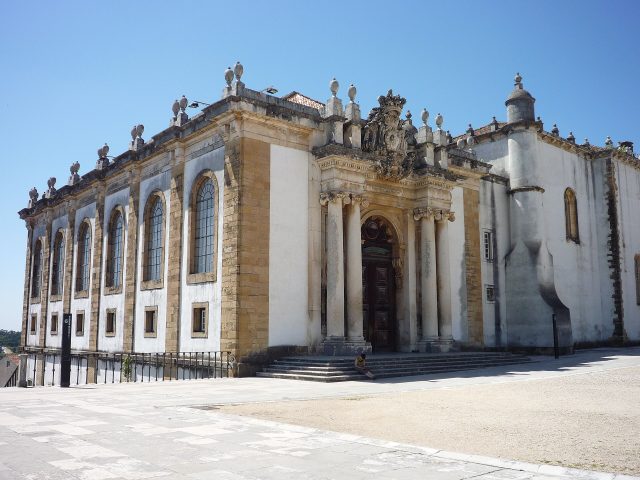
Coimbra is a city where history isn’t confined to museums or plaques—it’s woven into the streets, the buildings, the very air. The Alameda Tower is one of those threads, a fragment that helps complete the picture. It may not have the fame of the university’s Joanina Library or the grandeur of the old colleges, but that’s part of its charm. There’s no pomp here, no grand narrative, just the quiet authenticity of a place that has seen generations come and go. The tower doesn’t shout its stories; it whispers them, and if you listen closely, you might just hear the echoes of Coimbra’s past.