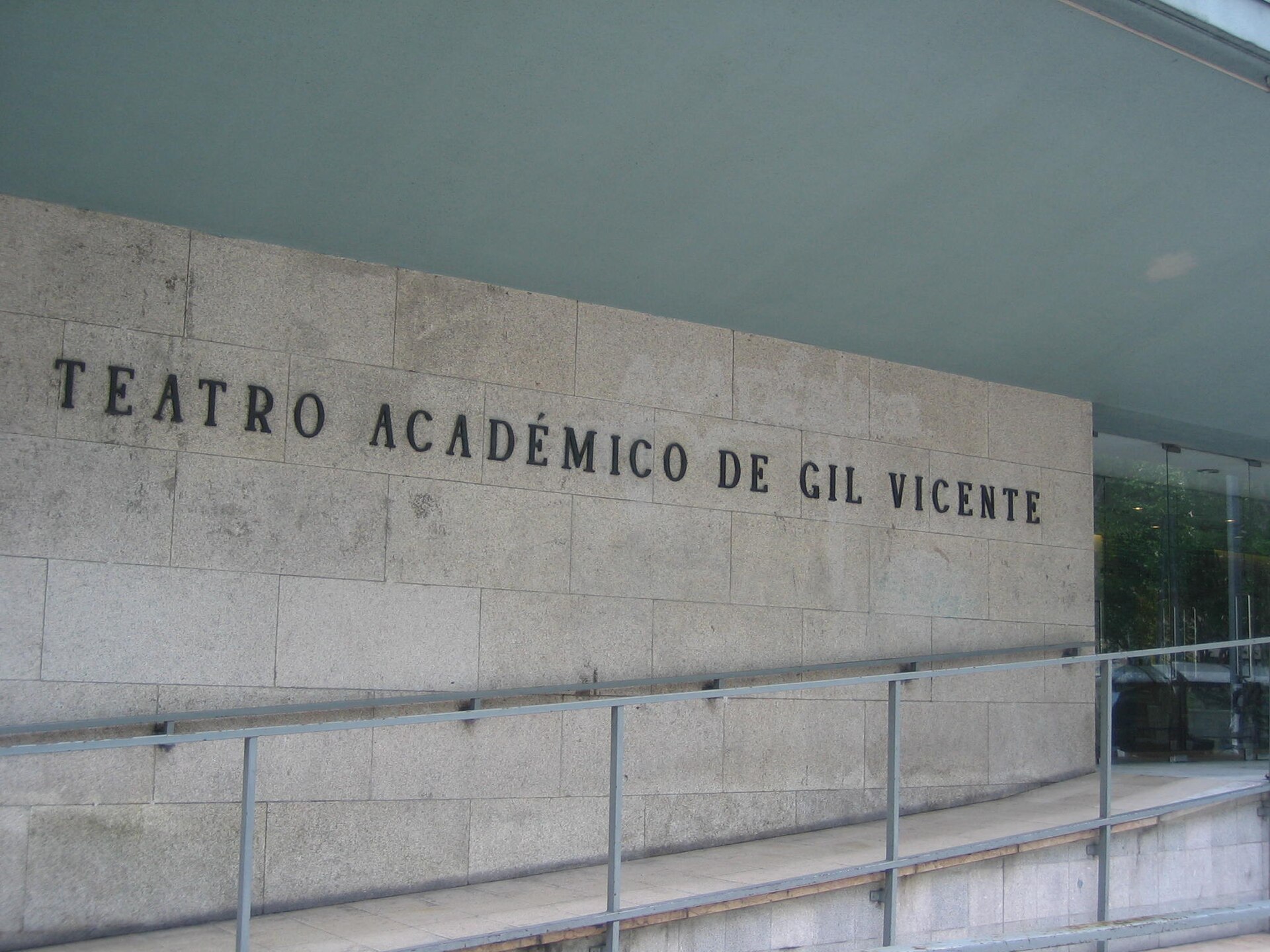
Coimbra’s Teatro Gil Vicente is one of those rare places that feels suspended in time, neither frozen into a museum piece nor lost to modernity. Tucked into the heart of the city, just steps from the ancient university, it carries the quiet weight of history in every stone, every arch, every whispered echo of performances past. This isn’t just a building—it’s a living thread in the fabric of Portuguese culture, where architecture and art have long intertwined with the rhythms of daily life.
The theater’s origins trace back to the early 16th century, when it was part of the Colégio de São Espírito, a university college where scholars gathered for debates on theology, philosophy, and the sciences. It wasn’t a theater in the way we think of one today, but a space for ideas, where the exchange of knowledge took center stage. Over the centuries, its purpose evolved. Plays were performed here, music filled the air, and by the 19th century, the hall had fully transformed into a theater, taking the name of Gil Vicente, the father of Portuguese drama. His works, sharp with satire and rich with allegory, still find their way onto stages across the country, and this theater remains one of the most fitting places to experience them.
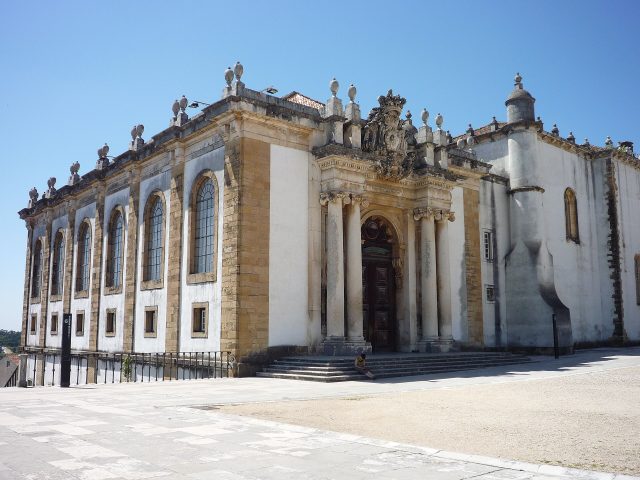
The architecture tells its own story, a patchwork of styles that mirrors the building’s many lives. The façade is understated, a dignified example of classical design with tall windows and restrained ornamentation. Step inside, though, and the space feels intimate, almost domestic. The small auditorium, with its wooden balconies and delicate plasterwork, wraps around the stage like an embrace. There’s no grandiosity here, no gilded excess—just a sense of closeness, as if the actors and audience are sharing something more personal than a performance.
Coimbra has always been a city of ideas, home to one of Europe’s oldest universities and a long tradition of intellectual and artistic ferment. Poets, musicians, and thinkers have walked these streets for centuries, and the Teatro Gil Vicente has been a natural extension of that legacy. Its stage has seen everything from Portuguese classics to experimental works, from classical concerts to contemporary pieces. But it’s the plays of Gil Vicente that hold a special place in its repertoire. His sharp, often humorous takes on society and human nature still resonate, proving that good storytelling never really ages.
Today, the theater remains a vital part of Coimbra’s cultural life, though it makes no attempt to compete with the flashier venues of Lisbon or Porto. Its strength lies in its intimacy. The small stage and warm atmosphere turn every performance into something unique, a shared experience rather than a spectacle. Beyond plays, the theater hosts festivals, lectures, and workshops, keeping the space alive with conversation and creativity. It’s not a place for crowds, but for those who appreciate art that feels immediate and unpretentious.
Visiting the Teatro Gil Vicente is about more than just catching a show. The building itself is a piece of history, a quiet witness to centuries of change. Coimbra is a city where the past lingers in the cobblestone streets, the university courtyards, the views over the Mondego River. The theater fits seamlessly into this landscape, another layer in the city’s rich tapestry. After a performance, you might step outside to find students gathered in the square, their voices weaving through the night as they sing fado—melancholic, beautiful songs of love, loss, and longing. It’s a reminder of how deeply art is woven into the life of this place.
There’s something unassuming about the Teatro Gil Vicente, and that’s part of its charm. It doesn’t demand attention with neon signs or tourist hordes, but quietly offers an evening of reflection, laughter, or music. In a city where history is always present, the theater feels like a natural extension of that—less a relic than a living conversation between past and present. And if you’re lucky, you’ll leave with more than just memories of a performance. You’ll carry with you the sense of having touched something timeless, something that has endured because it speaks to what it means to be human.