
Otavi
Namibia · 8 places
Photo: Hp.Baumeler, CC BY-SA 4.0
Otavi
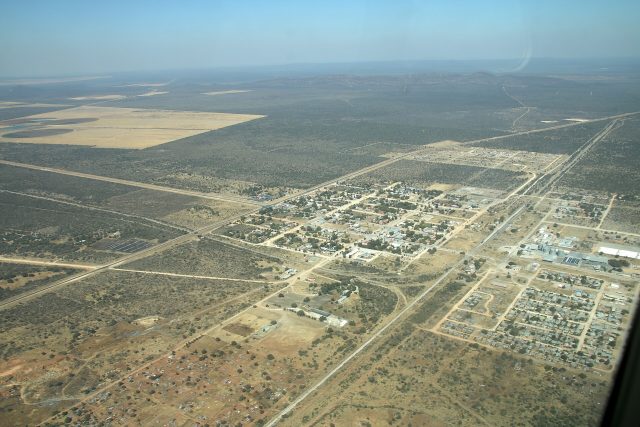
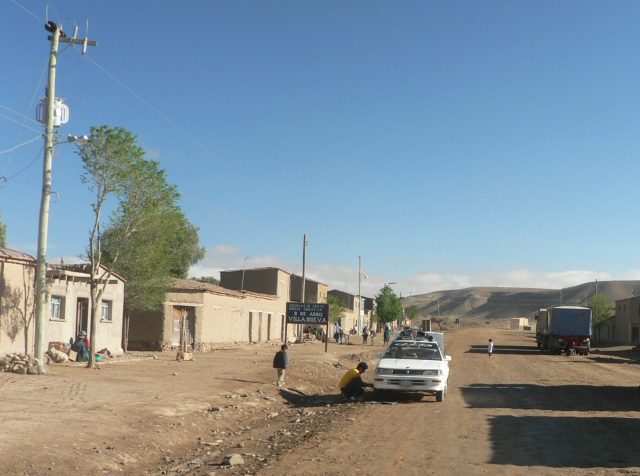
Otavi sits quietly in northern Namibia, a place most travelers overlook. The streets are calm, lined with weathered colonial buildings. The air carries the scent of dust and woodsmoke from cooking fires. The surrounding hills, covered in sparse savanna, stretch out under a vast sky. Time moves differently here—slower, as if the town has decided there’s no need to rush.
Founded in the late 19th century as a trading post and railway stop, Otavi still shows its past. Old red-brick buildings stand alongside rusted tracks that stretch into the distance. The half-abandoned station hints at a time when this was a vital link between the interior and the coast. A monument to German settlers remains in the center. The market sells vegetables and meat. Children play in the dust. Elders sit outside their homes, watching passersby.
Beyond the town, the landscape changes. A few hours’ drive away lies Etosha National Park, where elephants, lions, and rhinos roam. Closer to Otavi, the land holds its own secrets. The Grotfontein caves shelter rock paintings left by early hunters. Sinkholes yawn open like portals into the earth. Towering termite mounds, called the "giants’ graves," dot the savanna. Stories of vanished cattle and bush spirits feel fitting here.
Life in Otavi is simple. Mornings begin with the crow of a rooster and the smell of fresh bread from the bakery. Evenings settle into darkness, broken only by the glow of a few streetlights. Small guesthouses serve strong coffee and eggs with bacon. The locals are friendly but leave you alone. That’s Otavi—it doesn’t pretend to be anything else.
If you come here, take your time. Walk the empty streets. Visit the tiny museum with its colonial artifacts and ancient tools. Or sit under a tree and watch the sun dip behind the hills. Otavi won’t overwhelm you. It offers something else: a place where life moves at its own pace.
See & Do
8 places
Places on the map
Marker colour follows the categoryClimate and weather
Detailed weather: Otavi- Average temperature
- 21 °C
- Precipitation per year
- 528 mm
Average air temperature
°C
24
24
23
21
18
15
15
19
22
25
26
25
Jan
Feb
Mar
Apr
May
Jun
Jul
Aug
Sep
Oct
Nov
Dec


