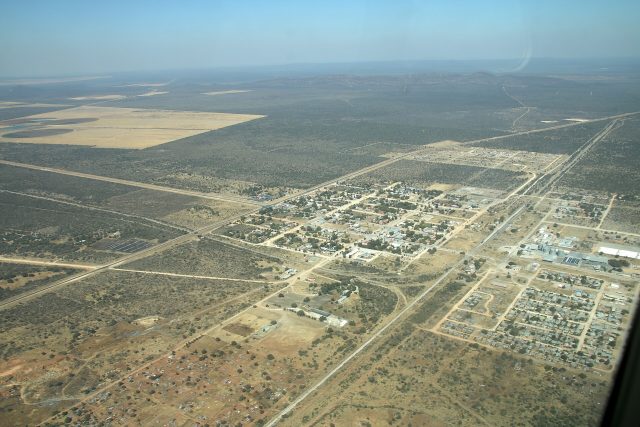
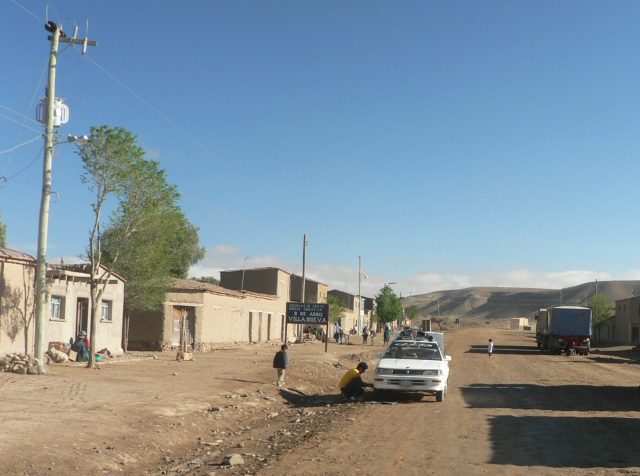
Otavi sits quietly in northern Namibia, a town best known for its copper mines and the unhurried pace of rural life. Yet if you wander its dusty streets, you’ll eventually find yourself drawn to a place where the town’s quiet rhythm gives way to something livelier—the Otavi Market. This isn’t a place for polished souvenirs or staged experiences. It’s raw, unfiltered, and as real as the people who come here, whether they’re farmers, traders, or just passersby looking for a taste of local life.
The market sprawls across an open square in the heart of town, where corrugated iron roofs and the shade of sprawling trees shelter stalls piled high with goods from the surrounding countryside. Mornings are the busiest time, before the sun climbs too high. Locals arrive with baskets of vegetables, bundles of firewood, or just the day’s gossip. Transactions unfold slowly, with plenty of time for conversation and the inevitable cup of tea poured from a shared thermos. There’s no rush here—buyers haggle gently, sellers explain where their goods came from, and neighbors catch up on news between sales.
What draws most people to the market is the food. Farmers from nearby villages bring whatever they’ve grown—sweet oranges, ripe mangoes, pumpkins so large they look like barrels, along with corn, beans, and peanuts. During the rainy season, the selection is especially abundant, but even in drier months, there’s always something fresh. Meat arrives on the backs of trucks—beef, goat, sometimes game if the hunters have had luck. Fishermen from nearby lakes bring their catch, which is often cleaned and grilled on the spot. The air is thick with the smell of smoked meat, spices, and fresh bread baking in clay ovens.
Beyond food, the market offers everything needed for life in the countryside—tools, clothing, cookware, and handmade crafts. Women from local communities sell woven baskets with intricate geometric patterns, wooden carvings, and necklaces strung from seeds. These aren’t tourist trinkets; they’re made to last, designed for practical use rather than decoration. Occasionally, you’ll find older items too—rusted kerosene lamps, worn leather saddles, or copper pots that have been passed down through generations.
More than just a place to buy and sell, the Otavi Market is a social hub. People who have known each other for decades gather here to trade news, debate livestock prices, or discuss the latest harvest. For many, it’s the only chance to see neighbors who live kilometers away. Elders sit in the shade, children play between stalls, and young people come not just to shop but to chat. On weekends, the atmosphere grows even livelier, with musicians setting up, drums and guitars filling the air, and spontaneous dancing breaking out between the rows.
The market’s roots stretch back to a time when Otavi was a key stop on trade routes linking the interior to the coast. In the early 1900s, caravans carrying copper and cattle would pause here, and locals would barter with travelers. Over time, the market expanded, but its core purpose remained the same—to be a place where different worlds intersect. Today, you might see Herero farmers in their vibrant traditional dress, mine workers in dusty overalls, or the occasional traveler who’s wandered off the beaten path.
Visiting the market is simple—it’s open most days, though mornings and weekends are the busiest. If you find yourself in Otavi, it’s worth stopping by, if only to experience the unhurried pulse of life in this corner of Namibia. There are no flashy displays or pushy vendors, just the kind of authenticity that’s hard to find in places built for tourists. You might leave with a bag of oranges from a woman who grew them herself, or you might just sit on a bench with a cup of tea, watching the day unfold in a town far removed from the usual tourist trail.