Valencia
Spain · 10 places
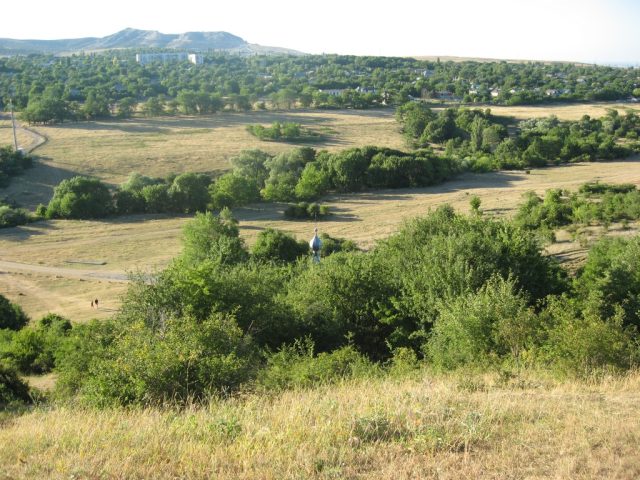
Photo: Nicolas Vollmer from Munich [Allemagne], CC BY 2.0
Valencia is where the Mediterranean’s effortless rhythm meets the warmth of Spanish life, a place where medieval alleyways brush shoulders with futuristic architecture. The city moves at its own pace, slowed by the scent of orange blossoms drifting from trees lining the sidewalks and the aroma of sizzling paella wafting from corner eateries. Here, the sea, history, lively festivals, and quiet parks coexist without fuss, as if time itself has learned to take things easy.
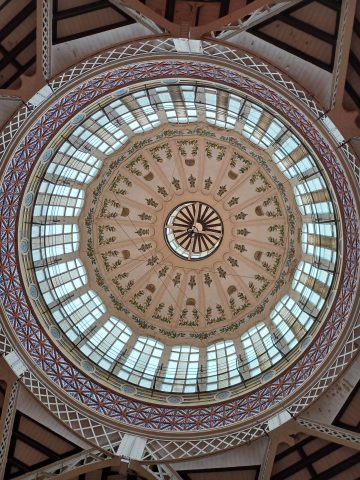
The old quarter is a maze of narrow streets that twist and turn, revealing hidden courtyards with trickling fountains and sun-dappled plazas. The Plaza de la Virgen stands as a quiet testament to Valencia’s past as a bustling hub of the Crown of Aragon, its cobblestones worn smooth by centuries of footsteps. The cathedral, built atop the foundations of an old mosque, dominates the square, its bell tower offering views over the rooftops. Inside, a simple chalice draws visitors—locals insist it’s the Holy Grail, though the city seems content to let the mystery linger. Nearby, the Turia Fountain bubbles away, a gathering spot for both tourists and residents seeking shade beneath the palms. Just steps away, the Central Market hums with energy, one of Europe’s largest covered markets, where stalls overflow with plump olives, cured hams, glistening seafood, and piles of exotic fruit.
Then there’s the City of Arts and Sciences, a gleaming vision of modern architecture that feels almost otherworldly. Designed by Santiago Calatrava, the complex rises from the dry bed of the Turia River like a futuristic dreamscape of glass, steel, and white concrete. The oceanarium’s underwater tunnel lets you walk beneath sharks and rays, while the science museum invites hands-on exploration. The opera house, with its sweeping curves, resembles a whale’s skeleton, and at night, the entire complex glows with an ethereal light, as if the city has borrowed a piece of the future.
The beaches stretch for miles along the coast, wide and uncrowded even in summer. Malvarrosa and El Cabanyal offer soft sand and clear water, with promenades lined with bike paths and open-air cafés. Here, you can sip on horchata, a sweet, milky drink made from tiger nuts, while watching the waves roll in. Summer brings festivals that spill into the streets—none more famous than Las Fallas in July, when towering papier-mâché sculptures take over the city before going up in flames, lighting the night sky with fireworks. Winter is mild, a far cry from Madrid’s chill, and by spring, the city bursts into bloom, the air thick with the promise of summer.
Food here is more than just a meal—it’s a tradition. Paella isn’t just a dish; it’s a ritual, slow-cooked over an open flame with saffron-infused rice, seafood, or chicken, depending on who’s making it. The best spots are tucked away in the old fishing quarters, where chefs take their time and refuse to cut corners. Getting around is just as easy. Rent a bike and follow the paths that wind through parks and along the old riverbed, connecting the city center to the beach in under half an hour. Valencia doesn’t feel like a postcard—it feels lived-in, a place where history and modernity coexist without fanfare, and that’s exactly what makes it special.
See & Do
All of them


Places on the map
Marker colour follows the categoryClimate and weather
Detailed weather: Valencia- Average temperature
- 19 °C
- Precipitation per year
- 485 mm
- Sunshine hours per day
- 7.7 h
Average air temperature
°C
12
13
14
16
20
24
27
27
24
20
16
13
Jan
Feb
Mar
Apr
May
Jun
Jul
Aug
Sep
Oct
Nov
Dec