Tsumeb Mine: A Glimpse into Namibia’s Industrial Past
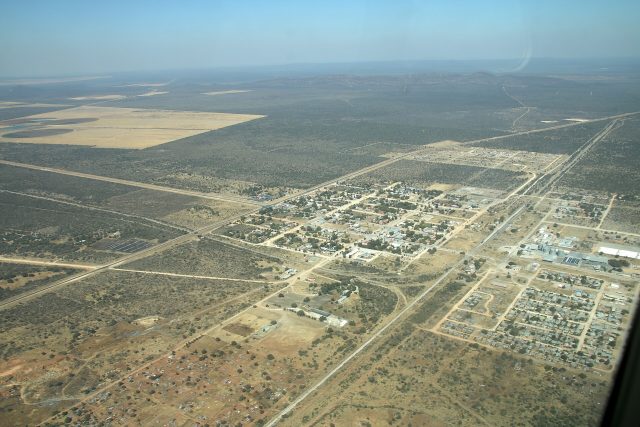
Tsumeb Mine sits near Otavi in northern Namibia. It looks ordinary from a distance, but its story unfolds slowly for those who pay attention.
The mine’s history starts in the late 1800s, when German colonizers found copper deposits here. By 1900, the Otavi Minen- und Eisenbahn-Gesellschaft began large-scale operations. Tsumeb became one of Africa’s leading copper producers, extracting lead, zinc, silver, and rare minerals. Its output ended up in museums around the world. The mine’s importance shifted with global events—wars, economic changes, and industry trends—but it remained central to Namibia’s development for much of the 20th century.
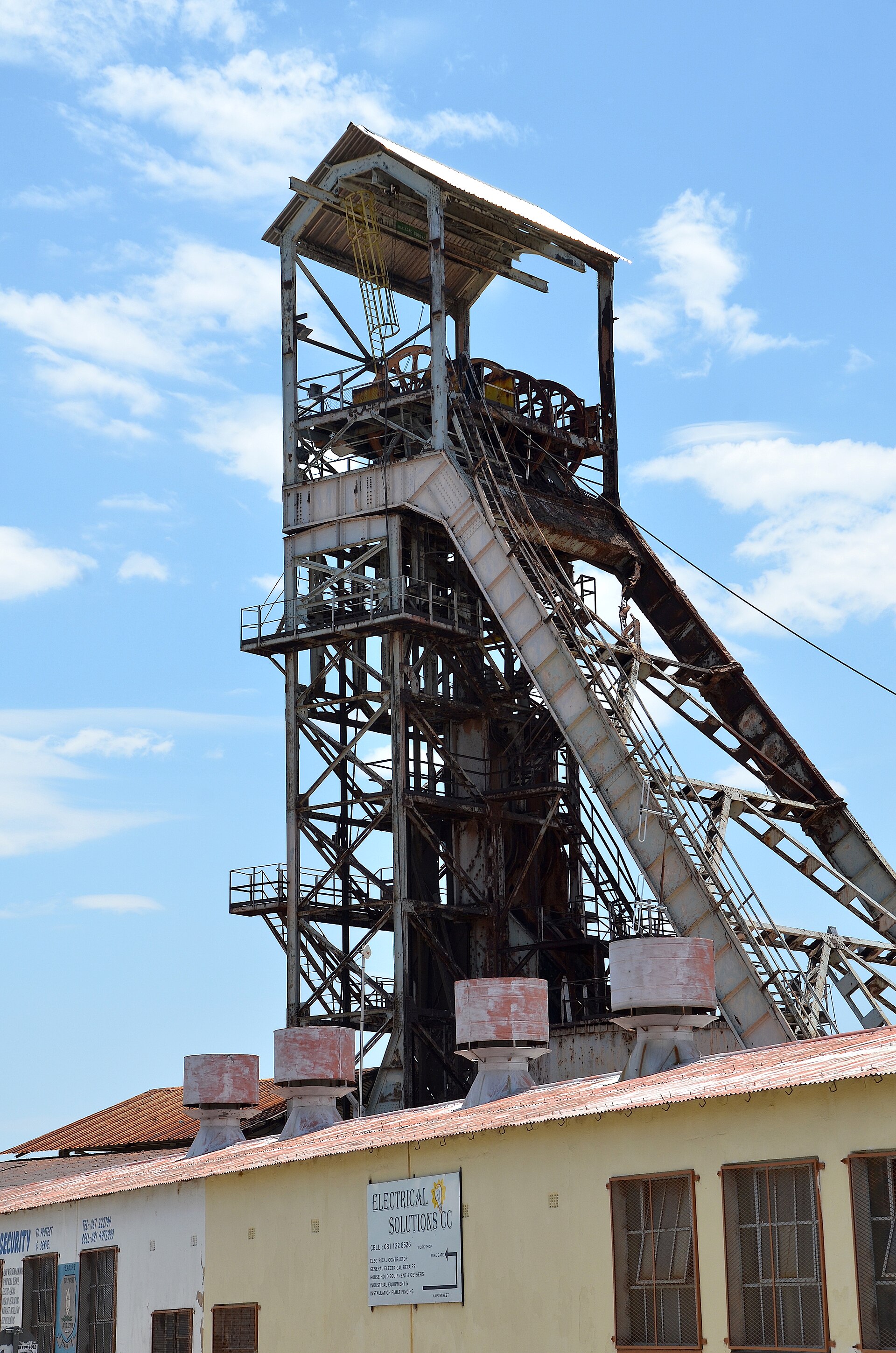
The old administrative buildings, warehouses, and workers’ housing were built to last. Thick walls and high ceilings helped combat the heat. Some structures still stand, though many are abandoned. Their weathered facades show the passage of time. The settlement around the mine feels quiet now. Rusty rail tracks, discarded machinery, and old ore carts are all that remain of the industry that once defined this place.
The mine is known for its geology. Over two hundred mineral types have been found here, including rare crystals. Tsumebite, named after the mine, is one example. Azurite and malachite clusters from this site are well-known among collectors. Even after mining stopped, researchers still find new specimens, proving the ground here holds more secrets.
Visiting Tsumeb Mine isn’t like visiting a typical tourist site. There are no signs or guided tours. The remnants of the past—tunnels, equipment, mineral samples—are left as they were. Walking through the site, you can almost hear the sounds that once filled the air: ore carts moving, workers talking, machinery running. Now, only the wind breaks the silence.
The mine provided jobs for thousands at its peak. It shaped Namibia’s economy and left a lasting mark on the country. Even after operations ended, the settlement remained a small but important community. Today, it stands as a relic of industry and a piece of Namibia’s history.
This isn’t a place for those who prefer polished attractions. Many buildings are in disrepair, and access can be difficult. But that’s why some travelers come here. They’re interested in history or geology, and Tsumeb offers something few other places do. Locals sometimes show visitors around, sharing stories and pointing out key spots. It’s an unfiltered look at a part of Namibia most people never see.
The area around Tsumeb has its own appeal. Northern Namibia is home to striking landscapes and wildlife reserves. Otavi, though small, has colonial-era buildings and a market where you can see local life up close. A trip here reveals a side of Namibia beyond safaris and deserts—a country shaped by industry and the people who lived it.
Tsumeb Mine leaves visitors with questions. What was it like to work here? How did this place shape the lives of those who depended on it? The answers aren’t obvious, but the mine itself offers clues. For some, it’s just an old mine. For others, it’s a piece of history worth exploring.