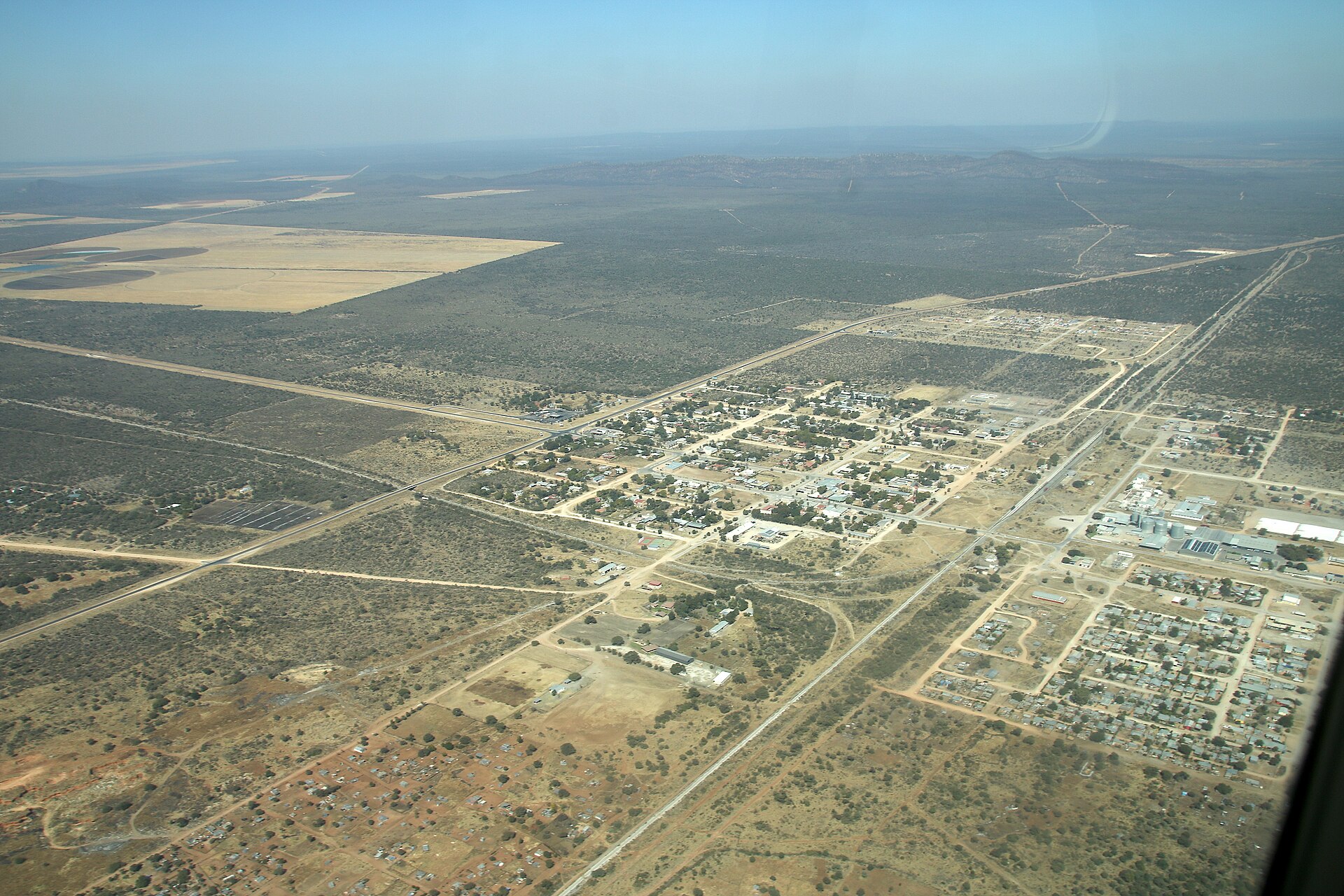
Otavi is one of those quiet Namibian towns that rarely makes it onto tourist itineraries, a place where the pace of life slows to match the vast, sunbaked landscapes around it. Yet for those who find themselves here, the small museum on Republic Street offers a glimpse into the layers of history that have shaped this corner of the country. It’s not a grand institution with blockbuster exhibits, but something more intimate—a place where the past feels tangible, where the stories of ordinary people take center stage.
The museum’s origins are tied to Otavi’s own emergence in the early 20th century, when the discovery of copper deposits drew prospectors, miners, and eventually, a permanent settlement. The exhibits focus heavily on this industrial chapter, with old photographs, mining tools, and yellowed documents that trace the town’s growth from a rough-and-tumble outpost to a more established community. The images from the early 1900s are particularly striking: black-and-white scenes of makeshift camps, German colonial infrastructure, and the faces of workers who toiled in the harsh conditions of the Namibian interior. These snapshots don’t just document history—they reveal the sheer effort it took to carve a life out of a land where water was scarce and every resource had to be fought for.
Beyond the mining narrative, the museum also touches on the region’s indigenous heritage. Namibia is home to a rich tapestry of cultures, and Otavi sits within the traditional lands of the Damara people, among others. The displays include handcrafted pottery, beadwork, and everyday objects that offer a quiet testament to the lives of those who lived here long before European settlers arrived. There’s no grand narrative here, just the small, telling details—a clay pot, a woven basket, a piece of jewelry—that hint at the rhythms of daily life and the resilience of communities adapting to their environment.
The building itself is part of the story. Constructed in the early 1900s, it originally served as an administrative center before later becoming a school. The architecture is unmistakably colonial, with thick walls, high ceilings, and large windows designed to keep the heat at bay. Inside, some of the original features remain: sturdy wooden beams, wide doorways, and the kind of worn, polished floors that come from decades of use. These details give the museum a sense of continuity, as if the walls themselves are holding onto the memories of the people who once walked through them.
While the museum is modest in size, it plays an active role in the local community. Occasionally, it hosts small exhibitions by contemporary artists or workshops on traditional crafts, bridging the gap between past and present. For visitors, these events offer a rare chance to see how history isn’t just something preserved in glass cases but a living, evolving part of Namibian life. It’s a reminder that the stories of Otavi didn’t end with the colonial era or the decline of mining—they’re still being written today.
Otavi isn’t a destination for those seeking major attractions. It’s a place for travelers who want to experience Namibia beyond the usual highlights, where the appeal lies in the quiet, unpolished reality of small-town life. The museum fits perfectly into this context. It doesn’t try to impress with spectacle; instead, it invites you to slow down and engage with the layers of history that have shaped the town. There’s no pretension here, just a genuine effort to preserve the memories of those who built Otavi, whether they were miners, farmers, or the indigenous communities who called this land home long before the first European set foot here.
If you find yourself in Otavi, the museum is worth a short visit—not because it will dazzle you with its size or scope, but because it offers something more subtle. It’s a place where you can step away from the well-trodden path and feel the weight of history in a way that’s often lost in larger, more curated institutions. And if you’re lucky, you might strike up a conversation with a local who’s happy to share their own stories about the town. Those unplanned moments, the ones that happen when you least expect them, often end up being the most memorable part of any journey. In Otavi, the museum is just one piece of that larger experience—a quiet invitation to look a little closer.