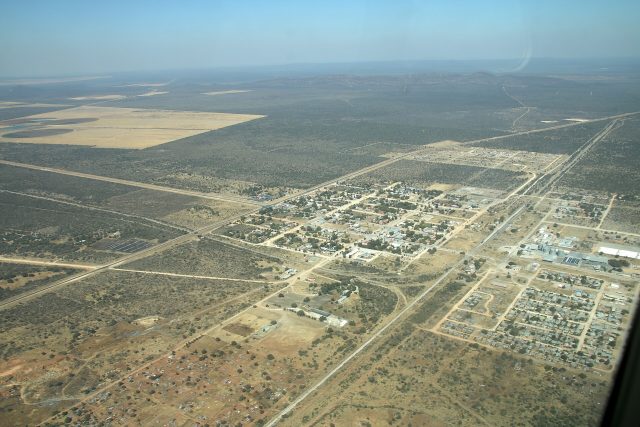
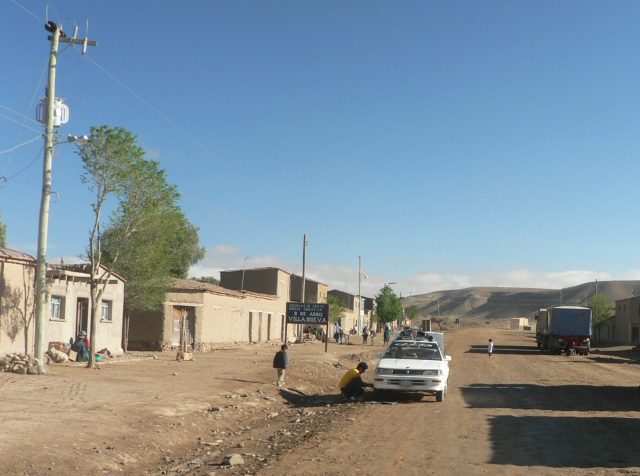
Otavi is a place where history lingers. In northern Namibia, surrounded by savannah and low hills, the town sits apart from the colonial era that shaped it. Among the dusty streets and houses with wide verandas stands a small monument to the German settlers who arrived in the late 19th century. A stone stele with a plaque, enclosed by a low fence, marks their presence.
The inscription is in German. Few speak it here now, but the words don’t need translation. They honor those who built roads, raised homes, and tried to settle in a land that must have felt foreign. The settlers left more than this marker—some of their buildings still stand. Brick structures with tiled roofs, churches, and administrative offices remain, though time has worn them down.
Germany’s presence in Namibia began in the 1880s, when the territory became a colony. Otavi was a key outpost in the north, where mining drove early development. Copper and lead were extracted, and settlements grew around the mines. The architecture was neat, functional, built to last. Some of those buildings still exist, their walls bearing the marks of sun and wind. They tell a story of ambition, of people who believed they were building something permanent.
But the monument isn’t just about the settlers. It acknowledges how different worlds met here. The Germans brought their language and customs, but they had to adapt. They learned from the Herero and Nama people, who knew the land in ways the newcomers never could. In return, the settlers introduced their own technologies, creating a blend that still lingers in Otavi. You see it in the street names, the town’s layout, even in some locals’ faces.
Today, Otavi is quiet. Few tourists come here.
The monument sits slightly off the main street. Most people walk past without looking. For locals, it’s just part of the scenery. But if you pause, it offers a moment to reflect. It’s not grand—just a simple reminder of how history is made by ordinary people trying to find their place.
Namibia’s colonial past is complicated. It’s a story of conquest, resistance, cooperation, and conflict. The German settlers were one chapter in a longer narrative. Indigenous peoples lived here first, then South Africans, and finally, the country gained independence. Each era left its mark, some visible, some buried.
Otavi may not be a major historical site, but that’s its charm. There are no museums or guided tours, just the quiet weight of the past.
Walk through the town if you come here. Look at the old buildings. Listen to the wind in the grass. The place speaks in its own way. You won’t find dramatic landmarks, but you might sense something deeper—the slow pulse of a town that has seen change. The monument is just one small piece of that story. Sometimes the smallest details stay with you. They remind you how much history hides in quiet corners.