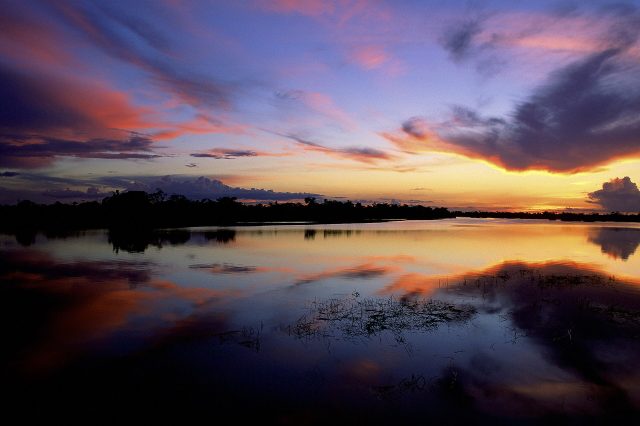
Morogoro
Tanzania · 8 places
Photo: Ndege at German Wikipedia, CC BY-SA 2.0 de
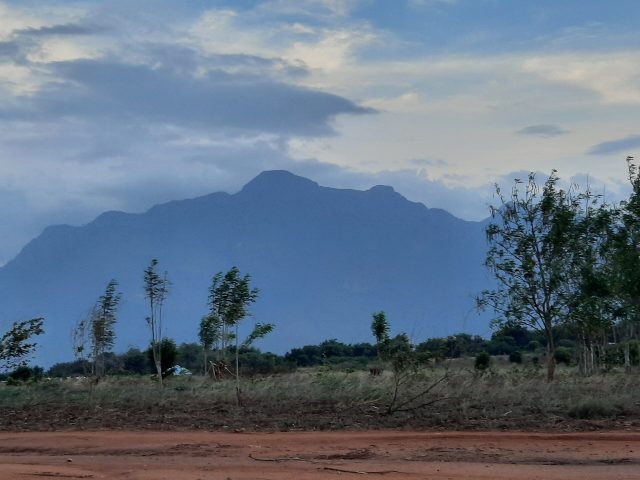
MorogoroMorogoro doesn’t reveal itself all at once. It sits at the foot of the Uluguru Mountains, where the valley meets rolling foothills. The air smells of damp earth and woodsmoke.
The town has no crowds of tourists, no postcard beaches, no ruins to pose in front of. Markets fill with vendor shouts in the morning. Goats wander the streets by midday. By evening, the smell of grilled meat and spices lingers.
This is Tanzania without the gloss.
The city is a gateway to East Africa’s wild heart. From here, national parks with elephants and lions are within reach. But Morogoro holds its own wilderness. A short drive from the center, coffee and banana plantations stretch under the sun. Farmers in wide-brimmed hats work the land. In the Uluguru Mountains, waterfalls hide, and villages move at their own pace. Locals see few visitors. They ask only for respect.
Mornings bring women with baskets of fruit on their heads. Boys kick soccer balls. Elders sit outside, watching. The town center is a few blocks of low buildings. Shops stand next to small cafés. Graffiti brightens some walls. No skyscrapers, no luxury hotels—just the quiet pulse of a town where life feels lived-in. The colonial era left its mark: an old railway station, buildings with high ceilings and wide verandas.
Sokoine University sits on the outskirts. Students from across Tanzania study here. The campus is a green expanse of hills and trees. You’ll see students debating under shade or walking paths lined with flowers. The university adds energy—rooted in tradition but looking ahead.
Morogoro won’t be in legends or films. That’s why it’s special. You can wander, duck into a shop, or try local food: goat soup or bananas roasted over coals. Sometimes, a festival or wedding fills the night with drums and singing. Time moves differently here—slower, without rush. Maybe that’s the magic.
See & Do
8 places

Places on the map
Marker colour follows the categoryClimate and weather
Detailed weather: Morogoro- Average temperature
- 24 °C
- Precipitation per year
- 699 mm
Average air temperature
°C
26
26
26
25
23
22
22
23
24
25
26
26
Jan
Feb
Mar
Apr
May
Jun
Jul
Aug
Sep
Oct
Nov
Dec