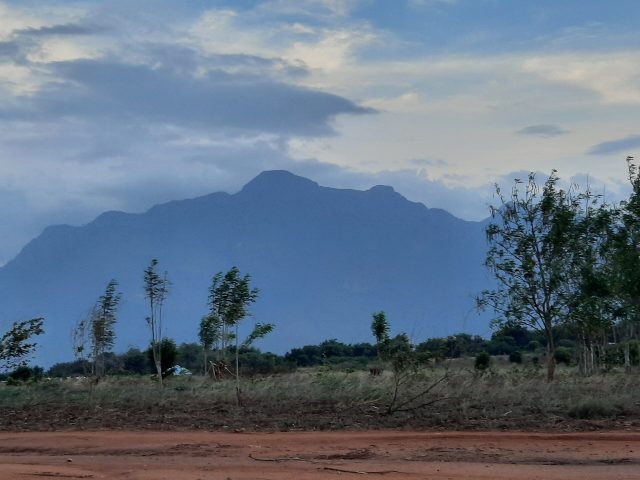
Mazimbu Market in Morogoro is one of those places where the city reveals itself in its most unfiltered form. There are no polished tourist displays here, just the raw, unscripted rhythm of daily life that pulses from dawn until dusk. It’s not merely a marketplace but the beating heart of the local community, where every day unfolds like a familiar ritual—people come for groceries, gossip, and connection. The market sits at the center of Morogoro, and if you find yourself in this town, you’ll likely end up here sooner or later, even if just by chance. The sounds and smells alone make it impossible to pass by without noticing.
The architecture is typical of many African markets: open stalls with corrugated iron roofs, narrow pathways weaving between them. During the rainy season, the ground can turn muddy, while in the heat, the shade under the awnings offers a rare respite. The stalls aren’t strictly organized by goods, though there’s a loose logic to the layout. Near the entrance, you’ll usually find fruits and vegetables, while deeper inside, the offerings expand to spices, meat, fish, and fabrics. Venture further, and you might stumble upon everything from household tools to secondhand electronics. Locals know exactly where to find the sweetest mangoes or the most fragrant cardamom, while newcomers often feel overwhelmed until they adjust to the market’s pace.
Mazimbu’s history is intertwined with Morogoro’s own development. The town has long been a key transport hub between Tanzania’s coast and its interior, and the market emerged naturally as a place of exchange. During colonial times, it wasn’t just local farmers who traded here—merchants from India and Arabia brought fabrics, spices, and manufactured goods. After independence, the market grew even more diverse, with Chinese imports appearing alongside an increasing variety of fresh produce from local farmers. Today, Mazimbu reflects the country in miniature: a place where different ethnic groups gather, languages mix, and recipes passed down through generations find their way onto plates.
The market wakes up early. By six in the morning, the air is already filled with the voices of vendors arranging their wares and the murmur of early shoppers. By nine, it’s at its liveliest—women in vibrant kangas haggle over bundles of greens, men balance stacks of bananas on their heads, and children dart between stalls, helping their parents or simply exploring. The scents here are intoxicating: ripe fruit, smoked meat, fresh bread, coffee, and spices all blend into something uniquely alive. If you’re lucky, you might hear the rhythm of an improvised drum set or a guitar strumming in the background—music often finds its way into the market’s chaos.
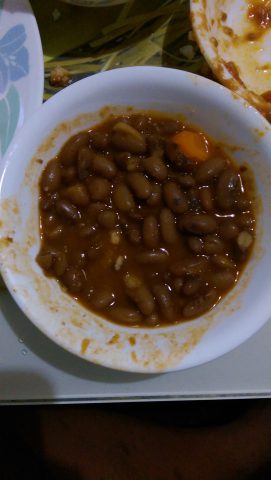
For visitors, Mazimbu offers a glimpse into everyday life in Tanzania. There are no guided tours or staged experiences, just the unvarnished reality of how people live. You can sip fresh passionfruit juice, try fried plantains, or sample local delicacies like wild boar if it’s available. Bargaining isn’t just accepted here—it’s expected. Vendors often inflate prices for outsiders, but a little patience and a smile can lead to a fair deal. The key is to take your time and not be afraid to ask questions. Most locals are friendly, especially if you show genuine interest in their goods or culture.
The market operates on its own set of rules, the most important being fairness. If a vendor cheats a customer, word spreads quickly, and their reputation suffers. That’s why most transactions rely on trust. By midday, when the sun is at its peak, the pace slows slightly—vendors eat lunch behind their stalls, share stories, and buyers take shelter in the shade. In the evening, the market stirs again, though not as intensely as in the morning. By seven or eight, most traders start packing up, and Mazimbu gradually quiets until the next day.
Beyond commerce, the market serves other roles. It’s a place where disputes are settled, deals are made, and jobs are found. You can catch up on the latest town news, hear about upcoming festivals, or even pick up on political discussions. For many in Morogoro, Mazimbu isn’t just a market—it’s a part of life. Children accompany their parents to help or play, elders sit on benches watching the hustle, and young couples sometimes meet here. In that sense, the market is more than an economic hub; it’s a social institution that brings people together.
If you visit Mazimbu, be prepared for a space that’s alive, messy, and far from sanitized. It’s not always clean or convenient, but that’s precisely what makes it special. Don’t worry about getting lost in the maze of stalls—you’ll eventually find your way back. The important thing is to stay curious and open. You might not leave with souvenirs, but you’ll carry away something rarer: an unfiltered sense of authenticity that’s hard to find in tourist spots. Mazimbu Market is Tanzania without the gloss, and that’s why it’s worth experiencing.