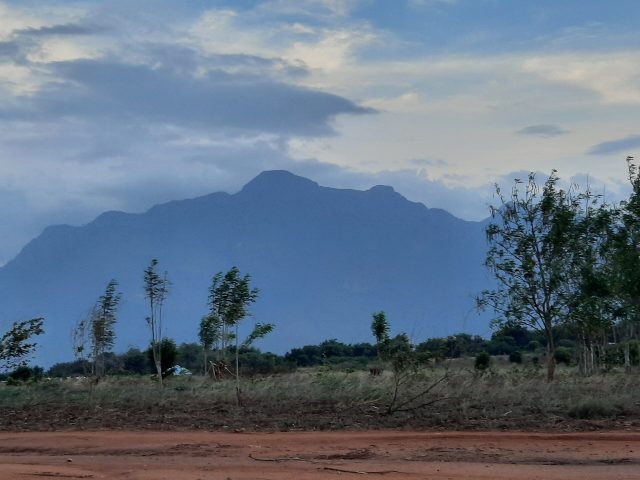
The Udzungwa Mountains National Park is one of those rare places in Tanzania where nature still reigns undisturbed. Unlike the famous plains of the Serengeti, crowded with tourists and safari vehicles, Udzungwa remains quiet and largely untouched. There are no paved roads cutting through its heart, no lodges dotting the landscape—just dense tropical forests, rivers carving their way through ancient rock, and waterfalls tumbling down moss-covered slopes. The air hums with the calls of birds and the rustle of unseen animals moving through the undergrowth. Stretching along the eastern edge of the East African Rift, the park feels like a world frozen in time, a place where you can still imagine what Africa was like before the modern world arrived.
The history of Udzungwa is as layered as the forests themselves. For centuries, these mountains have been home to the Hehe and Bena peoples, who sought refuge here during times of conflict. The thick forests provided natural protection, while the rivers and waterfalls offered water and food. Even during the colonial era, the region remained largely unexplored—European settlers and explorers preferred the more accessible savannas and coastlines. It wasn’t until the late 20th century that scientists began to recognize the ecological importance of Udzungwa, leading to its designation as a national park in 1992. Today, it’s part of a larger UNESCO biosphere reserve, though it remains one of Tanzania’s least-visited protected areas, a hidden gem for those willing to venture off the beaten path.
What makes Udzungwa truly special is its extraordinary biodiversity. The park is home to over 400 species of birds, some of which are found nowhere else on Earth. Among the trees, you might spot primates like the Sanje mangabey, a rare monkey with striking black-and-white fur, or the elusive Udzungwa red colobus. The forests are also a haven for smaller creatures, including the Udzungwa dwarf galago, a tiny nocturnal primate that’s seldom seen. But the park’s most famous feature is its waterfalls, particularly the Sanje Falls, which plunge nearly 150 meters into a misty gorge. During the rainy season, the falls roar with such force that they create rainbows in the spray, while in the dry months, they shrink to delicate threads of water trickling down the cliffs. For the local people, these falls are more than just a natural wonder—they’re sacred sites, steeped in legend and reverence.
Udzungwa isn’t the kind of place where you’ll find open savannas teeming with wildebeest or lions. There are no game drives here, no jeeps rumbling across the plains. Instead, the park offers something far more intimate: the chance to explore on foot, following trails that wind through jungles, along rivers, and up into the mountains. The most popular hike leads to Sanje Falls, a journey of several hours through towering trees whose roots twist into intricate patterns on the forest floor. The air is thick with the scent of damp earth and blooming flowers, and every now and then, you might catch a glimpse of monkeys swinging through the branches or butterflies flitting between the leaves. For those seeking a greater challenge, there are routes to the summits of Luhombero or Mwanihana, where the views stretch across valleys and distant ridges, offering a sense of scale and solitude that’s hard to find elsewhere.
Beyond its natural beauty, Udzungwa is also a place where culture and nature intertwine. The villages surrounding the park are home to descendants of the same people who have lived here for generations. Many of the guides who lead treks through the forest are locals, and they often share stories about the spirits that dwell in the trees, the medicinal plants their ancestors used, and the traditions that still shape life in the mountains. In some villages, you can see traditional huts made of grass and mud, or even join in the preparation of local dishes like ugali, a simple cornmeal porridge that’s a staple across much of Africa. These encounters add a deeper dimension to the experience, reminding visitors that the relationship between people and the land here is as old as the mountains themselves.
The weather in Udzungwa is as unpredictable as the terrain. The rainy seasons, from March to May and again from November to December, turn the trails slick and the rivers wild. But this is also when the forest is at its most vibrant—flowers bloom, birds sing louder, and the waterfalls thunder with renewed force. The dry season, from June to October, is more comfortable for hiking, though the days can be hot and the nights surprisingly cool, especially in the higher elevations. Humidity is high year-round, and after a rain, the air becomes thick with the scent of wet earth and vegetation. No matter when you visit, it’s wise to come prepared for anything, from sudden downpours to sweltering heat.
Visiting Udzungwa requires a bit of planning. Unlike Tanzania’s more famous parks, this one has little in the way of infrastructure. There are no lodges inside the park, no restaurants, and few well-marked trails. Most visitors stay in Morogoro, a small city at the foot of the mountains, where basic accommodations and meals are available. From there, it’s about a two-hour drive to the park entrance, though the road can become impassable during the rainy season. Once inside, the only way to explore is on foot, with a local guide leading the way. This isn’t a destination for those who prefer luxury or convenience, but for those who crave adventure and solitude, it’s a rare opportunity to experience Africa in its rawest form.
Udzungwa is a place that still holds secrets. Scientists continue to discover new species of plants and animals here, and even the most seasoned travelers often leave feeling as though they’ve only scratched the surface. There are no safari vehicles, no crowds, no souvenir stands—just the quiet rustle of leaves, the distant call of a bird, and the sense that you’ve stepped into a world that time forgot. It’s one of Tanzania’s most underrated treasures, a place where the wild still feels truly wild. For those willing to trade comfort for the chance to walk through untouched forests and stand beneath towering waterfalls, Udzungwa offers an experience that lingers long after the journey is over.