The Julius Nyerere Memorial Museum in Morogoro is more than just a collection of artifacts—it’s a place where the legacy of Tanzania’s first president feels tangible. Housed in the home where Nyerere spent his final years, the museum carries an intimacy that larger institutions often lack. The rooms still hold the quiet presence of the man who shaped a nation, from the simple furniture to the personal items left behind, as if he might return at any moment.
Nyerere, affectionately called *Mwalimu* (teacher), was a figure of contradictions—a leader, a thinker, and a man whose ideas about African socialism (*ujamaa*) still spark debate. The museum doesn’t shy away from complexity. It presents him as he was: a village boy from Butiama who rose to lead a newly independent nation, navigating the challenges of post-colonial Africa. His books, clothes, and letters are displayed not as relics, but as fragments of a life that intersected with history. These everyday objects bridge the gap between past and present, making his story feel immediate rather than distant.
The building itself is unassuming, reflecting the practicality of Tanzania’s early years. There’s no grand architecture here, just a modest house that feels lived-in. The furniture, mid-century and slightly worn, adds to the sense of authenticity. In the living room, his favorite armchair sits beside a table still holding his glasses and a notebook. These small details create an atmosphere that’s less about reverence and more about connection—visitors don’t just observe history, they step into it.
One of the museum’s most compelling sections focuses on Tanzania’s struggle for independence. Documents, photographs, and posters from the era tell the story of a nation breaking free from colonial rule. Nyerere was central to this movement, and the exhibits don’t gloss over the difficulties. There are materials on the formation of TANU, the political party that united Tanganyika’s diverse ethnic groups under a single vision, as well as the later merger with Zanzibar to form Tanzania. The displays acknowledge both the triumphs and the tensions, leaving room for visitors to draw their own conclusions.
Another key exhibit explores *ujamaa*, the socialist philosophy that defined Nyerere’s policies. The museum explains how this idea of collective farming and communal living was put into practice, with mixed results. Photographs show newly established villages, while documents reveal the struggles—shortages, resistance, and the gap between idealism and reality. The museum doesn’t impose a narrative; instead, it invites reflection on whether these experiments were visionary or flawed, and what lessons they hold for today.
For Tanzanians, the museum is more than a tourist stop. School groups visit to learn about the man whose name adorns streets across the country. Veterans of the independence movement come to honor his legacy. Some visitors knew Nyerere personally and share their memories with younger generations. The atmosphere isn’t stiff or formal—it’s a living conversation between past and present, where history feels personal rather than abstract.
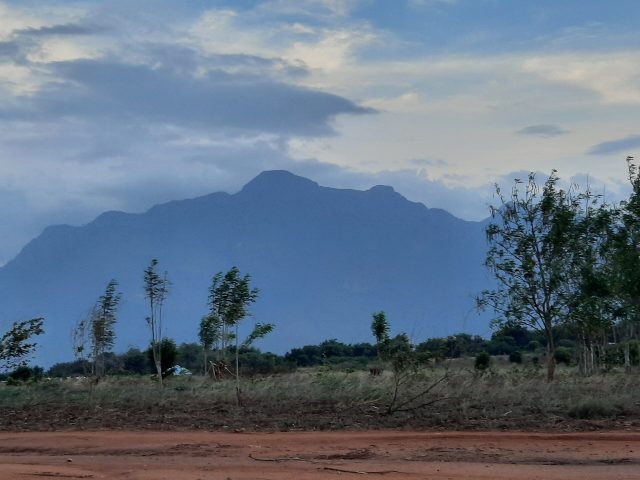
Morogoro itself is a city that resists easy categorization. Unlike the bustling tourist hubs of Dar es Salaam or Arusha, it moves at a slower pace, shaped by the nearby Wami River and the towering Uluguru Mountains. The landscape here is quiet, almost protective, which may be why Nyerere chose this place for his later years. The museum fits naturally into this setting, its understated presence mirroring the rhythm of the city.
A visit here isn’t just about learning Nyerere’s story—it’s about understanding the forces that shaped modern Tanzania. The country is often associated with safaris and Zanzibar’s beaches, but its history is far more complex. The museum doesn’t offer simple answers. Instead, it presents the struggles, hopes, and contradictions of a nation finding its way. It asks visitors to consider what it means to lead, to build a society, and to navigate change.
Stepping outside, the present-day Morogoro feels both familiar and distant from Nyerere’s time. The city has grown, but some things remain unchanged—the warmth of the sun, the scent of spices from the market, the easy smiles of people passing by. Perhaps that’s his truest legacy: not in grand monuments or speeches, but in the quiet dignity that still defines Tanzania. The museum in Morogoro is just one way to touch that history, but it’s a place where the past feels alive, and the questions it raises linger long after you leave.