Gulbene
Latvia · 8 places
Photo: Olga1969, CC BY-SA 4.0
Gulbene sits quietly in northeastern Latvia, a place where life moves at the pace of the seasons rather than the ticking of a clock. There are no crowded squares or towering landmarks here, no tourist crowds jostling for the best photo spot. Instead, the town unfolds gently—its streets lined with old wooden houses, its railway tracks overgrown with grass, its air thick with the scent of pine and freshly cut hay. The surrounding forests and fields press close, their green edges blurring into the horizon, broken only by the occasional water tower or church spire. It’s a place where the past lingers in the details: the peeling paint on a shutter, the creak of a garden gate, the way the light slants across a cobblestone yard in the late afternoon.
Gulbene has long been known as Latvia’s railway capital, a title it earned in the early 20th century when it became a vital junction for trains running between Riga, Pskov, and St. Petersburg. The town’s narrow-gauge railway, still in use today, is one of the country’s most charming relics. Riding the vintage steam or diesel train through rolling hills and dense forests isn’t just a novelty—it’s a step back into an era when rail travel was a marvel, a slow, rhythmic journey that connected distant corners of Europe. The station itself, built over a century ago, remains a striking landmark, its architecture a mix of practicality and elegance. Nearby, the railway museum holds a collection of artifacts that tell the story of a time when these tracks hummed with the comings and goings of passengers and freight, linking Gulbene to the wider world.
Nature is woven into the fabric of life here, and the locals know how to make the most of it. In summer, the countryside around Gulbene becomes a playground for hikers and cyclists, with trails winding through forests heavy with berries and mushrooms. The Gulbene River, lazy and meandering, is a favorite spot for spotting beaver dams or simply sitting on its banks, watching the water slip past. When winter arrives, the landscape transforms into a quiet wonderland of snow-covered fields and frozen lakes, perfect for cross-country skiing or ice fishing. The seasons dictate the rhythm of life, and the people of Gulbene have learned to move with them, whether it’s gathering wild strawberries in June or stacking firewood in October.
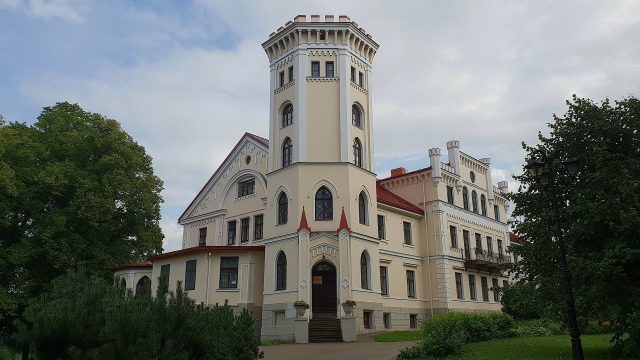
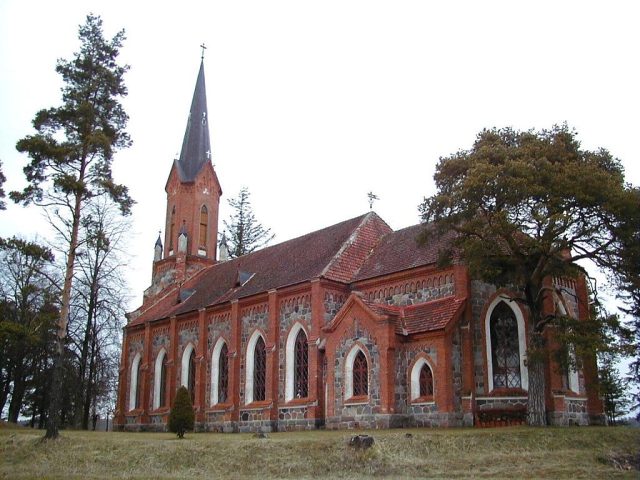
Though small, Gulbene carries traces of its layered history in its architecture. The town center is dotted with buildings from the early 1900s, when the railway brought prosperity and a burst of construction. Some structures still bear the ornate flourishes of Art Nouveau, while others reflect the more utilitarian style of the Soviet era. The Lutheran Church of St. John, built in 1843, stands as a quiet sentinel with its simple, unadorned silhouette and peaceful courtyard. Nearby, the weekly market is a slice of local life—farmers selling jars of honey, bundles of fresh herbs, and baskets of potatoes dug that morning. It’s the kind of place where conversations stretch longer than necessary, where a cup of coffee might turn into an hour of stories, and where the pace of life feels just right.
Gulbene doesn’t try to impress. It doesn’t need to. The town exists on its own terms, unhurried and unpretentious, offering a kind of quiet refuge for those who’ve grown weary of the rush. There’s no need to chase experiences here—just wander the streets, duck into a café where the pastries are still made the old-fashioned way, or sit on a park bench watching children play. The town feels like a pause, a place where time doesn’t so much stop as slow down, stretching out like the river that gave it its name. For a little while, at least, it lets you step out of the current and simply be.
See & Do
All of them
Places on the map
Marker colour follows the categoryClimate and weather
Detailed weather: Gulbene- Average temperature
- 7 °C
- Precipitation per year
- 520 mm
Average air temperature
°C
-4
-3
0
6
12
17
18
17
13
6
1
-3
Jan
Feb
Mar
Apr
May
Jun
Jul
Aug
Sep
Oct
Nov
Dec