Sokoine University of Agriculture in Morogoro is one of those places that rarely makes it onto the usual tourist itineraries, yet it offers a rare glimpse into the heartbeat of modern Tanzania. Established in 1965, just a few years after the country gained independence, it was the first higher education institution built to serve a new nation finding its footing. At the time, Tanzania was shaping its own educational system from scratch, and the university was meant to symbolize opportunity—especially for young people who had never before had access to higher learning. Today, it remains more than just a campus; it’s a microcosm where tradition and ambition coexist, where students from across the country come to shape their futures.
The architecture here tells its own story. The buildings, with their bold, unadorned concrete forms, reflect the brutalist style that was popular in the mid-20th century, when functionality often took precedence over ornamentation. There’s a certain starkness to them, yet the campus doesn’t feel cold or imposing. Wide pathways lined with trees, shaded courtyards, and open spaces soften the edges of the concrete, creating an environment that feels both purposeful and lived-in. On any given day, you might see groups of students lounging under the trees, debating ideas or simply enjoying a quiet moment between classes. The atmosphere shifts constantly—sometimes buzzing with energy, other times quiet and contemplative.
The university takes its name from the Sukuma people, one of Tanzania’s largest ethnic groups. This isn’t just a symbolic gesture; it’s a reminder of the institution’s founding principle: that education should be accessible to all, regardless of background. In its early years, many students were the first in their families to attend university, breaking barriers that had long kept higher education out of reach for most Tanzanians. Today, the student body is a mix of cultures and languages, reflecting the country’s diversity. Walking through the campus, you’ll hear Swahili, English, and the occasional local dialect, all blending into the everyday rhythm of university life.
Beyond its role as an educational institution, Sokoine University is a hub for research, particularly in fields that matter deeply to Tanzania’s future. Agriculture, ecology, and sustainable development are at the core of its work, addressing challenges that affect millions of people across the country. In laboratories and experimental farms, researchers tackle real-world problems—developing drought-resistant crops, studying soil erosion, or finding ways to improve livestock health. These projects aren’t just academic exercises; they have the potential to transform farming practices and improve livelihoods in rural communities. For students, this means their education isn’t just about textbooks and exams—it’s about contributing to tangible change.
Life on campus extends far beyond the classroom. Students organize sports tournaments, theater productions, debates, and music festivals, turning the university into a vibrant cultural center. Traditional dances and songs are a staple at university events, offering a way for students to connect with their heritage while also sharing it with others. Evenings often bring impromptu gatherings in dormitories or campus cafes, where conversations range from politics and philosophy to the latest trends in music or fashion. For many, these moments are just as formative as their academic studies, shaping their perspectives and friendships in ways that last long after graduation.
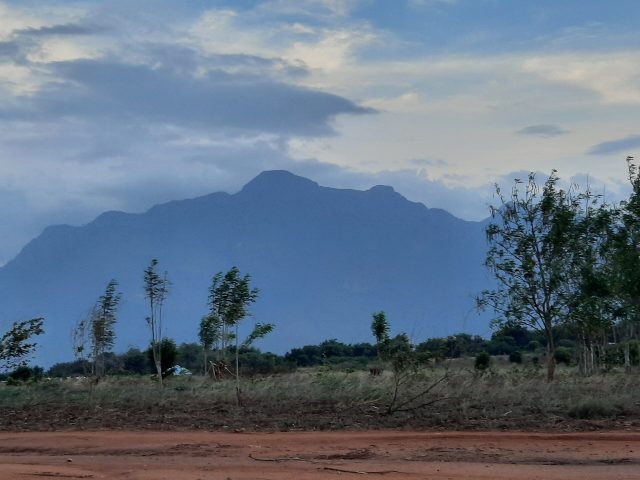
Morogoro itself is a city that feels both grounded and full of possibility. Nestled at the foot of the Uluguru Mountains, it offers a dramatic natural backdrop to the university. The mountains aren’t just a scenic feature; they’re a vital part of the region’s ecosystem, feeding rivers that sustain the surrounding valleys and supporting forests rich in biodiversity. Students often escape the demands of their studies by hiking through the foothills or exploring the nearby nature reserves. These outings provide a welcome contrast to the intensity of academic life, offering a chance to recharge and appreciate the beauty of the landscape.
What makes Sokoine University special isn’t grand architecture or ancient history, but something far more meaningful: its role in shaping Tanzania’s future. For decades, it has been a place where young people from all walks of life come to learn, grow, and prepare to contribute to their country. Many graduates go on to work in government, agriculture, or education, carrying the lessons they’ve learned here into their careers. The university itself has become a symbol of progress, a testament to the belief that education can be a force for change.
Visiting the campus isn’t about ticking off another tourist attraction. It’s about understanding what drives Tanzania today—the aspirations of its people, the challenges they face, and the quiet determination to build a better future. If you ever find yourself in Morogoro, take a walk through the university grounds. You won’t find luxury resorts or historic landmarks, but you might just catch a glimpse of the country’s soul.