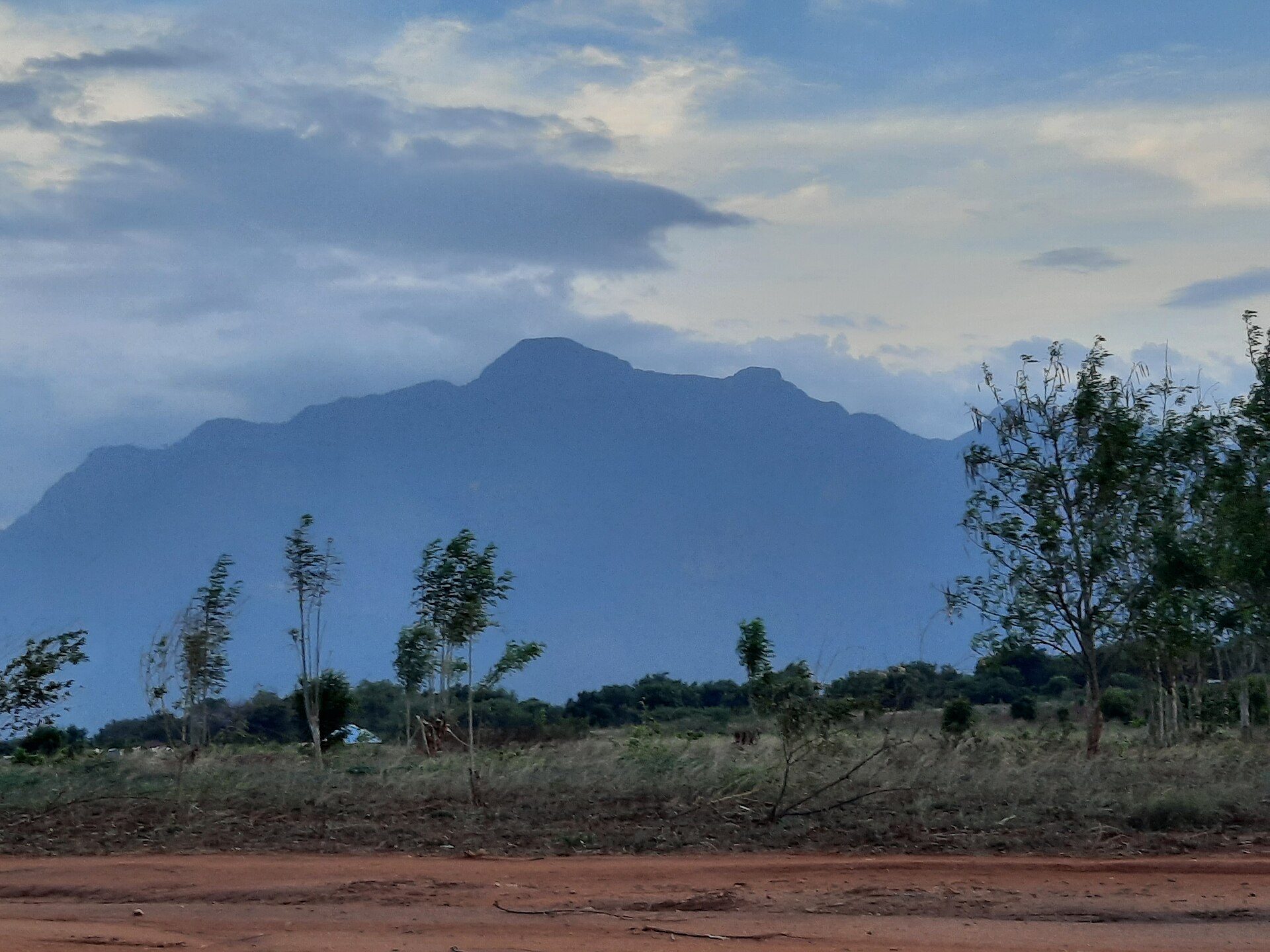
The Uluguru Mountains rise above Morogoro like an ancient sentinel, their slopes draped in dense forests and veiled in mist. This is no ordinary peak but an entire range stretching for hundreds of kilometers, part of the Eastern Rift that cuts across Africa. The air here is cooler than on the plains below, and the silence is broken only by birdsong and the rustle of leaves. For those who venture into these mountains, the natural world feels immediate and alive in a way that’s hard to find elsewhere.
The history of the Ulugurus is woven into the story of Tanzania itself. During colonial times, the mountains provided refuge for those resisting foreign rule, their remote gorges and caves hiding the secrets of struggles for independence. Today, the Luguru people and other communities call these slopes home, not just as a place to live but as a living part of their heritage. They cultivate coffee, bananas, and vegetables on terraces carved into the hillsides by their ancestors, a practice that prevents soil erosion while preserving centuries of agricultural wisdom.
There are no grand buildings here, no man-made monuments—just the raw beauty of the landscape itself. Rocky peaks, hidden waterfalls, and high-altitude meadows filled with rare plants create a scene that feels untouched by time. The highest point, Kimhandu Peak, offers sweeping views of the savanna and the Wami River valley on clear days. The climb isn’t easy, but those who make the effort are rewarded with a sense of solitude and a connection to something primal.
Beyond hiking and climbing, the Ulugurus play a vital role in the region’s ecosystem. Rivers begin here, nourishing the surrounding lands, while the forests shelter countless species of plants and animals, some found nowhere else. Black-and-white colobus monkeys swing through the trees, birds flit between branches, and if you’re lucky, you might catch a glimpse of a leopard—though they tend to avoid humans. Botanists are drawn to the mountains for their unique flora, including rare orchids and tree ferns that thrive in the misty highlands.
The atmosphere shifts with the time of day. Mornings bring a quiet stillness as sunlight filters through the mist, while afternoons remain cool when the heat on the plains becomes oppressive. By evening, clouds often gather around the peaks, making the mountains appear to float above the earth. Locals say this is when the voices of ancestors can be heard, though it’s likely just the wind echoing through the valleys.
For travelers in Morogoro, the Ulugurus offer a different side of Tanzania—one without safari jeeps or crowds. Here, you can walk trails used by ancient tribes or sit by a fire in a village, listening to stories of mountain spirits. Local guides share their knowledge of plants and wildlife, as well as the traditions of their people. Even without a guide, the mountains have a way of making you feel their presence, especially if you step off the main path and into the forest.
The Ulugurus are deeply tied to the region’s survival. They provide water for farming, protect the soil from erosion, and act as a natural windbreak. Yet they’re also fragile, threatened by deforestation, expanding farmland, and climate change. Communities and conservation groups work to protect this unique landscape, knowing its loss would be irreplaceable.
Visiting the Ulugurus isn’t just a hike—it’s a chance to step into a world where nature and people exist in a delicate balance. There are no luxury hotels or fine dining, just small guesthouses or village stays where visitors are welcomed with traditional warmth. The journey requires patience, but those who make it rarely leave disappointed. After all, few places on earth let you feel like part of something far bigger than a tourist trail.