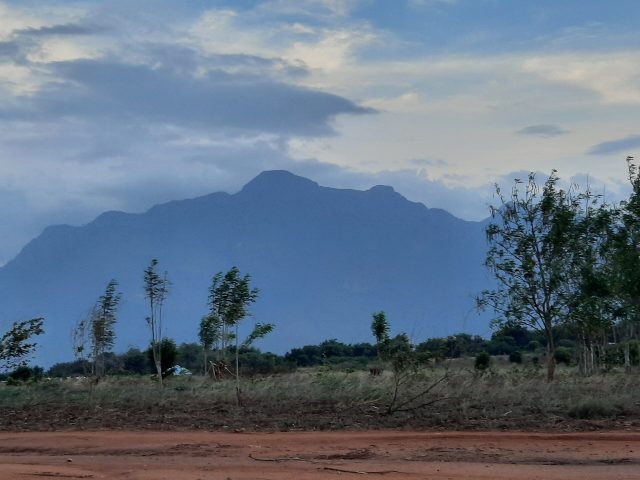
Choma Falls is one of those places in Tanzania that slips under the radar of most travelers but leaves a quiet, lasting impression. Tucked away near Morogoro at the foot of the Uluguru Mountains, it feels like a world apart from the usual tourist trails. The air here is thick with the scent of damp earth and green foliage, and the only sounds are the rush of water over rock and the occasional call of birds from the forest above. There are no crowds, no souvenir stalls, no blaring music—just the steady rhythm of nature.
The falls themselves are modest in height but striking in their simplicity. Water cascades over a rocky ledge into a shallow pool below, where a narrow path leads down to the base. On any given day, you might find local women washing clothes in the stream or families resting in the shade of overhanging trees. During the rainy season, the water surges with more force, and rainbows often arc across the mist. In drier months, the flow lessens, but the pool becomes more accessible, inviting a cool dip among the smooth stones.
The Uluguru Mountains that cradle Choma Falls are more than just a dramatic backdrop. Their slopes are covered in dense, misty forests that shelter rare species of birds, butterflies, and small mammals. For generations, the local Luguru people have considered these mountains sacred, believing them to be the dwelling place of ancestral spirits. Even today, some villages in the area maintain traditional ways of life, from handwoven crafts to rituals tied to the land. The mountains are a living part of the region’s identity, not just a scenic view.
Reaching the falls takes a little effort, but the journey is part of the experience. From Morogoro, the route winds along a rough dirt road that cuts through rolling hills and small farming communities. There are few signs, so it’s best to ask for directions or arrange transport with someone familiar with the area. The last stretch is a short hike through the forest, where the path sometimes crosses shallow streams. Along the way, you might pass villagers selling fresh fruit or offering a drink of water—small gestures that make the trip feel more connected to the place.
This isn’t a destination for luxury resorts or adrenaline-fueled adventures. Choma Falls is about quiet moments: the way sunlight filters through the trees, the sound of water echoing off the rocks, the chance to sit undisturbed and listen to the forest. There are no grand hotels nearby, but Morogoro has a handful of simple guesthouses and local eateries where you can try dishes like ugali, a staple cornmeal porridge, or grilled meat with fresh vegetables. The food is hearty and unpretentious, much like the place itself.
For the people who live here, the falls are more than just a natural attraction. They’re a source of water, a gathering place, and sometimes a site for traditional ceremonies. On certain occasions, the area comes alive with drumming, dancing, and stories passed down through generations. If you’re lucky enough to witness one of these events, it’s a reminder that the falls hold a deeper meaning for those who call this land home.
The weather in this part of Tanzania can shift quickly. Mornings might be clear and warm, only for clouds to roll in by midday, bringing a sudden downpour. The best time to visit is during the dry season, from June to October, when the roads are easier to navigate and the waterfall’s flow is steady but not overwhelming. The air is crisper then, and the views of the mountains are especially striking. That said, the rainy season has its own magic—the forest is lusher, the waterfall more powerful, and the whole place feels alive in a different way.
If you enjoy walking, the area around Choma Falls offers plenty to explore. You can follow the stream upward, where the terrain grows steeper and the trees taller, or wander along the lower paths that hug the water’s edge. The forest is full of gnarled old trees with roots that twist like sculptures, and if you’re quiet, you might spot monkeys swinging through the branches. The trails can be slippery, though, so it’s worth taking your time and watching your step.
There’s something about Choma Falls that resists being fully captured in words. It’s the kind of place you have to experience—the cool spray on your skin, the way the light shifts through the mist, the sense of being somewhere untouched by time. It’s not about ticking off a sightseeing list or chasing the next big adventure. It’s about slowing down, breathing in the damp air, and realizing how little it takes to feel content. That, in the end, is what makes places like this worth seeking out.