St. Joseph’s Church in Morogoro doesn’t demand attention but lingers in memory long after you’ve left. Perched on a gentle hill, it blends into the landscape, surrounded by low trees and houses with rusted tin roofs. There are no grand domes or ornate facades—just a modest structure that has witnessed the slow unfolding of time. It feels like a remnant of an era when Morogoro was a small settlement along the trade routes between the coast and the Tanzanian interior.
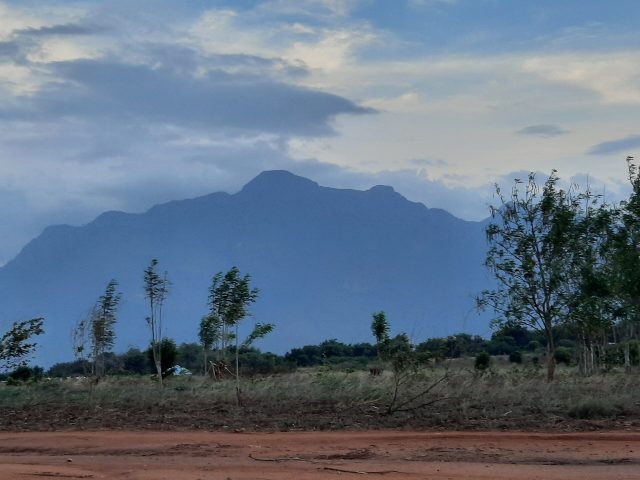
The church’s history is part of the region’s colonial past. Morogoro, at the foot of the Uluguru Mountains, was once a key administrative and commercial hub in German East Africa. Construction began in the early 20th century, when Catholic missionaries were expanding their presence across the territory. Built from local stone and brick, the church reflects an attempt to adapt European architectural traditions to the climate and materials of East Africa. The result is a building that feels both familiar and foreign.
Architecturally, St. Joseph’s is simple. The facade features an arched entrance topped by a small bell tower. Inside, whitewashed walls and narrow, high windows filter sunlight into soft beams. The altar, crafted from dark wood, anchors the space. The stained glass casts a subtle glow across the walls. Everything here serves a single purpose: to create a place of quiet reflection.
For the people of Morogoro, the church is more than a place of worship. Sundays bring families together for services. Baptisms, weddings, and funerals mark the milestones of local life. During Christmas and Easter, the church fills with song and the scent of incense, and the surrounding streets come alive with vendors selling food and handmade goods. In these moments, the city feels like the small town it once was.
Tanzania is a country where Islam and indigenous beliefs dominate, yet Christian communities have always been part of its fabric. St. Joseph’s shows how different cultures and traditions have coexisted here. Inside, you might find descendants of German settlers, local converts to Christianity, or travelers who wandered in by chance. Each visitor finds something different—some come to pray, others to escape the midday heat, or simply to sit in silence.
Morogoro is far from the tourist hubs of Zanzibar or the Serengeti. The streets around St. Joseph’s tell their own stories: old colonial buildings, narrow lanes lined with spice and fabric stalls, and the nearby university that brings youthful energy.
In recent decades, Morogoro has become an educational center, home to Sokoine University of Agriculture. For many students, St. Joseph’s offers a quiet retreat from academic life. The small garden around the church becomes a gathering spot on weekends, where young people chat under the shade of trees or enjoy the stillness. The church bridges generations—older locals attend out of habit, while students come in search of a moment of peace.
St. Joseph’s isn’t a museum or a preserved monument. It’s a living place. There are no plaques explaining its history. The story of the church is written in the way people use it—those who come every day, those who pass through briefly, and those who sit in the pews without saying a word. It rarely appears in guidebooks, but those who visit often leave with something memorable.
If you ever find yourself in Morogoro, stop by, even for a few minutes. Whether you’re religious or not, the place invites you to slow down. Maybe it’s the stillness, or the weight of history in its stones, or simply the sense that St. Joseph’s is a piece of Tanzania that doesn’t try to impress but simply exists.