Tatta
Pakistan · 7 places
Photo: A.Savin, FAL
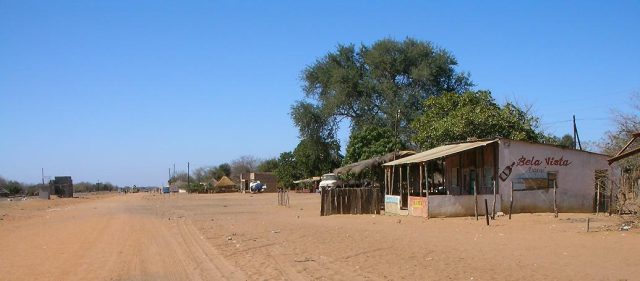
Tatta feels like a place where time has paused, leaving behind the quiet echoes of a once-great city. Nestled in the southeastern corner of Pakistan’s Sindh province, it was once the capital of a powerful kingdom, and today it remains one of the most compelling stops for anyone drawn to the layered history of South Asia. There are no towering skyscrapers or bustling highways here—just narrow lanes winding past old mosques and crumbling mausoleums, each one a whisper from a past that refuses to fade entirely.
The heart of Tatta’s legacy lies just outside the city in the vast necropolis of Makli. Stretching across rolling hills, this sprawling cemetery is one of the largest in the world, a resting place for rulers, warriors, poets, and scholars who shaped the region from the 14th to the 18th centuries. The tombs are far from ordinary; carved with intricate patterns and calligraphy, they blur the line between grave and art. Some bear the influence of Persian design, others reflect local traditions, and together they tell a story of cultural exchange that once thrived here. Walking among them, it’s easy to imagine the city as it once was—a hub of trade, learning, and power, where caravans passed through and ideas took root.
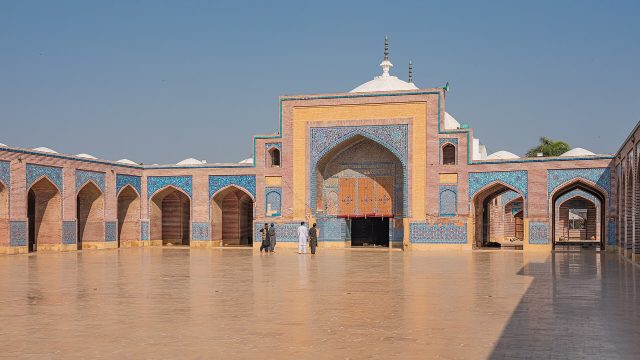
Within Tatta itself, the historic center holds its own quiet charm. The Shah Jahan Mosque, built in the 17th century at the behest of the Mughal emperor, stands as a testament to understated grandeur. Unlike the lavish mosques of Lahore or Delhi, this one forgoes gilded domes and marble inlays in favor of simple brickwork and towering minarets that somehow feel just as imposing. Nearby, the old bazaars still hum with life, their stalls piled with handwoven textiles, earthenware, and spices that have been traded here for generations. The pace is unhurried, as if the city has decided to move at its own rhythm, untouched by the rush of the modern world.
The landscape around Tatta is stark and beautiful, a mix of arid plains and the slow-moving Indus River, which has shaped life here for centuries. The riverbanks, once lush and fertile, still support small communities of fishermen and farmers, their lives tied to the water’s ebb and flow. Scattered across the outskirts are the remnants of ancient irrigation systems, a reminder of how vital this land was—and still is—to those who call it home.
Tatta isn’t a place for those seeking luxury or excitement. There are no grand hotels or trendy cafes, just the quiet weight of history pressing in from all sides. It’s a city for travelers who prefer the slow unraveling of stories etched into stone, for those who find beauty in the way the past lingers in the present. If you ever find yourself in Sindh, let Tatta be your pause—a place where the past isn’t just remembered, but still very much alive.
See & Do
7 places
Places on the map
Marker colour follows the categoryClimate and weather
Detailed weather: Tatta- Average temperature
- 27 °C
- Precipitation per year
- 290 mm
Average air temperature
°C
19
23
27
30
32
32
31
30
30
29
25
21
Jan
Feb
Mar
Apr
May
Jun
Jul
Aug
Sep
Oct
Nov
Dec