Figura
Malta · 8 places
Photo: Ciantar patrick at English Wikipedia, Public domain
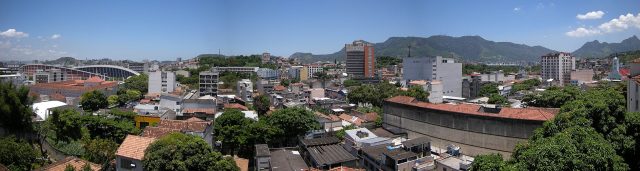
Fgura is one of those Maltese towns that rarely makes it into guidebooks, and that’s precisely why it feels so real. Tucked between Valletta and the island’s southern coast, it moves at its own unhurried pace, untouched by the rush of modern tourism. The streets are narrow, lined with low houses built from the same golden limestone that gives Malta its warm glow. Quiet squares hum with the murmur of old men playing cards in cafés, while the scent of freshly baked bread drifts from small bakeries. There are no grand hotels or crowded promenades here—just the quiet rhythm of everyday life, the kind that travelers often search for but seldom find.
At the heart of Fgura stands the Church of the Holy Cross, a modest 17th-century building that has watched over the town for centuries. Unlike the grand cathedrals of Valletta or Mdina, it doesn’t overwhelm with size or ornamentation. Instead, its simple facade and shaded courtyard, with an old well at its center, tell a quieter story—of a time when Fgura was little more than a village, its people working the land and fishing the nearby waters. Locals take pride in the town’s football history, too. It was here, in the 1960s, that Malta’s first football club was founded, and the team still plays in the national league today. For many in Fgura, football isn’t just a game; it’s part of who they are. Even matches in the lower divisions draw crowds to the small stadium on the edge of town.
Life in Fgura unfolds at a pace set by tradition. Mornings begin at the market near the church, where fishermen from Marsaxlokk bring their catch and farmers sell vegetables grown in the fields just outside town. By midday, the streets grow quiet—some residents head to work in nearby cities, while others retreat to the cool of their inner courtyards, where the summer heat feels less oppressive. But as evening falls, the town comes alive again. Families gather in the squares, teenagers weave through the streets on scooters, and the air fills with a mix of Maltese, Italian, and English. Tourists are rare here, but if you’re lucky, you might stumble upon a *festa*, when the town erupts in celebration—streets draped in lights, music spilling from open doors, and fireworks painting the night sky.
Fgura doesn’t try to be like Malta’s more famous destinations. There are no beaches, no ancient temples, no medieval fortresses. What it offers instead is something far more elusive: a glimpse of the island as it once was. This is a place for those who’ve grown tired of crowds and want to wander without a plan—ducking into a tiny bakery where traditional Maltese sweets are still made by hand, or settling into a local bar to listen to the hum of conversation. The town doesn’t promise grand adventures, but it delivers something just as valuable: the quiet pleasure of being somewhere real. In a world where so many places feel staged for visitors, Fgura remains stubbornly, refreshingly itself.
See & Do
All of them

Places on the map
Marker colour follows the categoryClimate and weather
Detailed weather: Figura- Average temperature
- 20 °C
- Precipitation per year
- 442 mm
- Sunshine hours per day
- 8.1 h
Average air temperature
°C
13
13
15
17
20
25
28
28
25
22
18
15
Jan
Feb
Mar
Apr
May
Jun
Jul
Aug
Sep
Oct
Nov
Dec