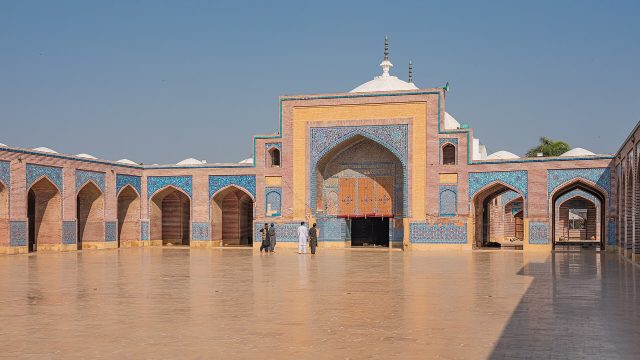
Tatta feels like a place where time has paused, and its market is where that stillness comes alive. There’s no rush here, no neon signs or crowds of visitors. Instead, narrow stone-paved alleys wind between low-slung shops with sagging awnings, while the air carries a mix of scents—spices, fresh bread, dried fruit, leather, and the smoke from grills. This isn’t just a marketplace; it’s a living piece of Sindh’s history, where trade and tradition have intertwined for centuries.
The market’s architecture isn’t grand, but that’s part of its charm. The buildings were made for function, not spectacle. Thick clay and brick walls keep out the heat, while tight passageways offer shade from the sun. Wooden balconies jut over the streets, casting dappled shadows below. Many of the shops have been in the same families for generations, their owners knowing each other for decades. There’s something almost medieval about it—a place where commerce, gossip, and daily life all unfold in the same space.
Centuries ago, Tatta was the capital of Sindh, and its market was a vital hub in the region’s economy. Caravans passed through here, carrying goods from India to Persia and beyond. Silk, cotton, gemstones, and spices—especially black pepper, cardamom, and cinnamon—changed hands in these very lanes. While the market no longer serves as a global trading post, it hasn’t lost the spirit of those days. You can still find rare spices here, the kind that don’t line supermarket shelves, and artisans who weave baskets from palm leaves or tan leather using methods passed down through generations.
The market wakes early. Before dawn, farmers from nearby villages arrive with vegetables, fruit, and fresh milk. By seven, the streets are bustling—women in bright saris haggle over greens, men sip tea at tiny stalls, and children dart between vendors selling flatbread. The meat section is particularly striking; here, butchers carve up lamb or chicken right in front of customers. It might feel jarring to outsiders, but in Tatta, it’s just part of the rhythm of life.
One of the most vivid corners of the market is the fabric bazaar. Bolts of cloth—cotton, silk, and everything in between—are stacked high, waiting to be turned into saris or shawls by local tailors. Tatta’s textiles are famous across Pakistan, especially those with traditional patterns that have been woven the same way for generations. Nearby, jewelry stalls glint with silver set with turquoise and lapis lazuli, the kind of pieces worn at weddings and festivals.
This isn’t a place for souvenirs or aggressive sales pitches. Instead, the market offers a glimpse into how people live in this part of Pakistan. Locals are curious about visitors, often inviting them for tea or sharing stories. If you’re lucky, you might stumble upon a small celebration—a family gathering with musicians playing traditional instruments, children dancing, and neighbors passing out sweets to anyone who wanders by.
As evening falls, the market winds down. Shops close, the crowds thin, and only the glow of tea stall fires lingers, lighting up the last conversations of the day. This is when Tatta feels especially beautiful—the warm light of lanterns reflecting off old walls, the air thick with the scent of grilled meat and spices. If you wander the quiet streets, you might find a workshop still operating the old way: a blacksmith hammering out knives or a potter shaping clay into jugs.
Tatta’s market doesn’t impress at first glance. There are no grand mosques or palaces here, nothing that usually draws tourists. But that’s precisely what makes it special. This is a place where time moves slowly, where every stone seems to hold a memory, and where people live much as their ancestors did. There’s no need to chase experiences here—just walk the lanes, watch the life unfold, and maybe leave with something deeper than a souvenir: the quiet sense of having touched something real.