Makli isn’t just a burial ground—it’s where Pakistan’s layered history takes physical form. Stretching across nearly ten square kilometers near the town of Thatta in Sindh province, this vast necropolis holds the remains of rulers, warriors, poets, and saints who once shaped the destiny of South Asia. With thousands of graves spanning centuries, Makli stands as one of the largest cemeteries in the world, its weathered tombs and mausoleums serving as silent witnesses to the rise and fall of dynasties that once dominated these lands.
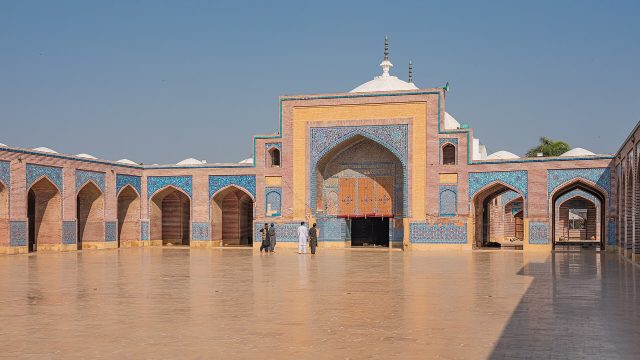
The architecture here is a striking fusion of styles, reflecting the cultural currents that flowed through the region over the centuries. Persian influences blend with Mughal grandeur and local Sindhi craftsmanship, creating a visual language unique to Makli. Many of the tombs are adorned with intricate stone carvings and glazed tilework, their colors still vivid despite the harsh Sindh sun. The most imposing structures are built from local stone, their surfaces covered in elaborate geometric patterns and Arabic calligraphy. These monuments weren’t just memorials—they were statements of power, faith, and artistic achievement, crafted by master artisans whose skills have rarely been matched since.
Makli’s story begins in the 14th century, when the first burials took place under the Delhi Sultanate. But its golden age came later, during the reign of the Samma dynasty, when Thatta served as the capital of an independent kingdom. The necropolis flourished under subsequent rulers—the Arghuns and Tarkhans—before becoming a favored resting place for Mughal nobility in the 16th century. Many chose Makli over the imperial capital, drawn to its quiet reverence and spiritual significance. Sufi saints were also buried here, their tombs becoming sites of pilgrimage and devotion, adding another layer to the site’s sacred character.
Walking through Makli feels like stepping into a different era. The silence is broken only by the wind rustling through the graves and the occasional murmur of visitors paying their respects. Some tombs remain active places of worship, particularly those of Sufi mystics, where people still come to pray, meditate, or leave offerings—candles, strips of cloth tied to railings, or handfuls of flowers. There’s no sense of gloom here; instead, the atmosphere is one of quiet reflection, a tangible connection to the past that feels almost alive.
Among the most remarkable structures is the mausoleum of Jam Nizamuddin II, a 15th-century ruler of the Samma dynasty. His tomb, crowned with a grand dome, is a masterpiece of mosaic work and stone carving, its details still sharp despite the passage of time. Nearby lie the graves of his family and courtiers, forming a small city of the dead. Equally impressive is the tomb of Isa Khan Tarkhan, built in the 16th century, where Persian and Indian architectural elements merge seamlessly. The interior is richly decorated, a testament to the wealth and influence of its occupant. These monuments aren’t just relics—they’re symbols of the power and prestige that once radiated from this corner of the subcontinent.
In 1981, Makli was designated a UNESCO World Heritage Site, a recognition of its global significance. Yet despite this honor, it remains one of Pakistan’s lesser-known treasures, far from the tourist crowds that flock to more famous landmarks. This relative obscurity is part of its charm—visitors can wander freely, absorbing the history without distraction. Locals treat the site with deep reverence, and many can share stories passed down through generations about the figures buried here. Some even claim to feel the presence of the past in the cool shade of the mausoleums or the whisper of the wind through the ruins.
A visit to Makli is more than just sightseeing—it’s a journey through time. Every tomb, every weathered inscription tells a story, and as you move through the necropolis, the threads of history begin to weave together. The rulers, scholars, and saints buried here may have lived in different eras, but their legacies are bound by this shared resting place. There’s a sense of continuity here, a reminder of how fleeting life is and how enduring memory can be. Makli isn’t just a cemetery; it’s an open-air museum where the past isn’t just preserved—it’s still felt.
What makes Makli truly special is its ability to evoke both awe and intimacy. The grand mausoleums impress with their scale and craftsmanship, while the simpler graves—some marked only by rough stones—speak to the lives of ordinary people who once called this region home. The contrast between the monumental and the modest is striking, a reflection of the society that created this place. It’s a reminder that history isn’t just about kings and conquerors; it’s also about the countless individuals whose names have been forgotten but whose presence lingers in the land itself.
For those willing to look beyond the surface, Makli offers more than just a glimpse into the past. It’s a place where history feels immediate, where the boundaries between then and now blur. The wind carries the same dust it did centuries ago, the sun casts the same shadows over the same stones, and the silence holds the same stories. Whether you’re drawn by the architecture, the history, or simply the quiet, Makli has a way of leaving a lasting impression—one that stays with you long after you’ve left its ancient grounds.