
Palmyra
Syria · 8 places
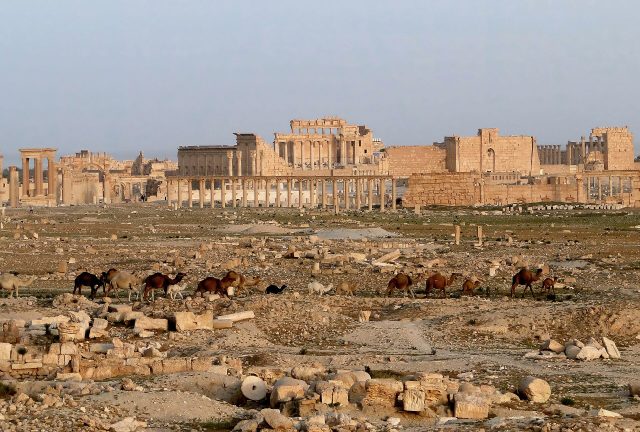
Photo: Bernard Gagnon, CC BY-SA 3.0
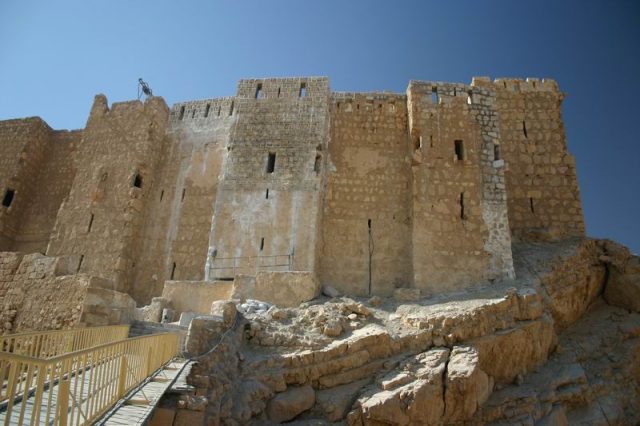
Palmyra lingers in the Syrian desert like a half-remembered dream, its ruins rising from the sands as if carved from the very light of the past. Once known as Tadmor, this city was a crossroads where empires met, where caravans laden with silk and spices paused on their journey between East and West. The heat here is relentless, the silence vast, but the stones still hum with stories—of merchants haggling in the shade of columns, of kings and queens who ruled over a kingdom that flourished in the heart of the Roman world. What remains today is not just a collection of ancient structures, but a place where history feels almost tangible, where the weight of centuries presses against your skin.
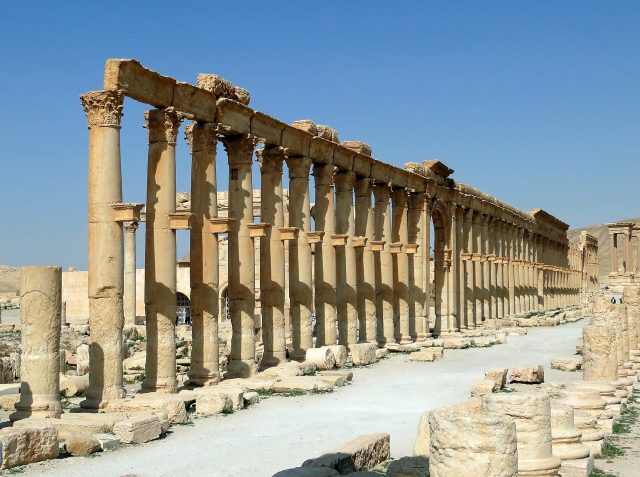
The city’s origins stretch back to the second millennium BCE, though its golden age came much later, when Palmyra stood as a jewel of the Roman East. It was a place of wealth and power, where local rulers minted their own coins and built monuments that rivaled those of Rome itself. The Palmyrenes were traders, diplomats, warriors—people who understood the value of both commerce and culture. Their city became a melting pot, where Greek, Roman, and Persian influences blended with local traditions. Even now, the ruins speak of this diversity: inscriptions in Aramaic and Greek, temples dedicated to gods from different pantheons, and a grand colonnade that once stretched for over a kilometer, lined with shops and bustling with life.
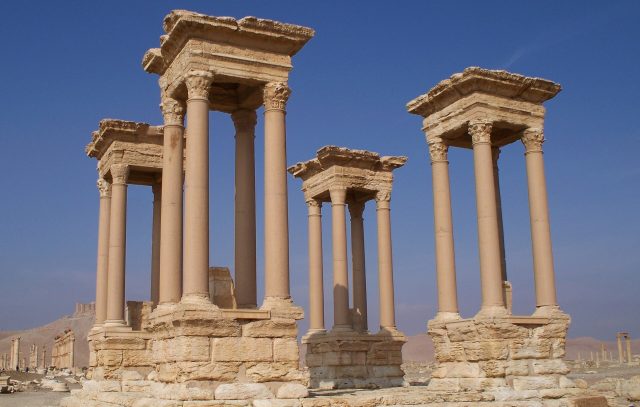
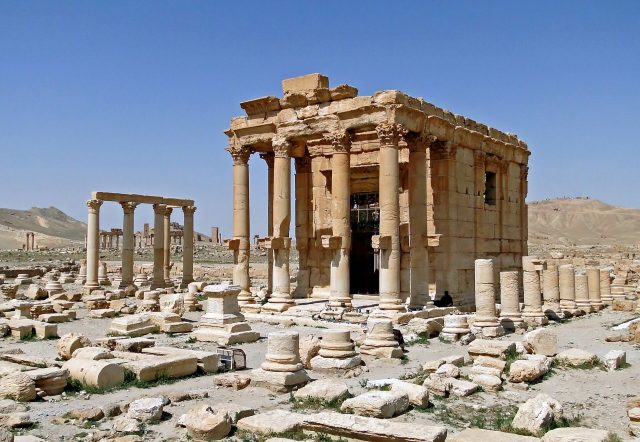
Walking through Palmyra is like stepping into a mosaic of time. The Great Colonnade, though now broken and weathered, still imposes its grandeur, its arches framing the endless desert beyond. Nearby, the Temple of Bel stands as a testament to the city’s religious significance, its walls adorned with intricate carvings that tell of rituals and offerings. The Roman theater, though partially ruined, hints at the performances that once filled its seats, while the funerary towers on the outskirts of the city remind visitors of the Palmyrenes’ beliefs about the afterlife. Every stone here has a purpose, every ruin a story—some still legible, others lost to the wind.
The desert around Palmyra is both its guardian and its adversary. The same harsh sun that bleached the bones of ancient empires also preserved them, shielding the ruins from the ravages of time. There are no crowds here, no modern distractions—just the quiet, the heat, and the occasional whisper of the past. The city does not perform for visitors; it simply endures, as it has for millennia. That is its magic: Palmyra does not need to impress. It exists beyond the reach of fleeting trends, a place where the past is not just remembered but felt.
War and conflict have left their marks on Palmyra, as they have on so much of Syria. Yet the city persists, stubborn and resilient. It has been damaged, looted, and nearly erased, only to reemerge, time and again, from the sands. Perhaps that is why those who come here are often drawn not just to its ruins, but to its spirit—a spirit that refuses to be forgotten. You can spend hours wandering among the columns, trying to imagine the city in its prime, or simply sit on the edge of the desert as the sun sets, watching the light play across the stones. In Palmyra, time moves differently. It slows, deepens, and for a moment, you understand what it means to stand in the shadow of history.
See & Do
8 places
Places on the map
Marker colour follows the categoryClimate and weather
Detailed weather: Palmyra- Average temperature
- 20 °C
- Precipitation per year
- 117 mm
- Sunshine hours per day
- 9 h
Average air temperature
°C
8
10
14
19
24
28
31
31
27
22
14
9
Jan
Feb
Mar
Apr
May
Jun
Jul
Aug
Sep
Oct
Nov
Dec


