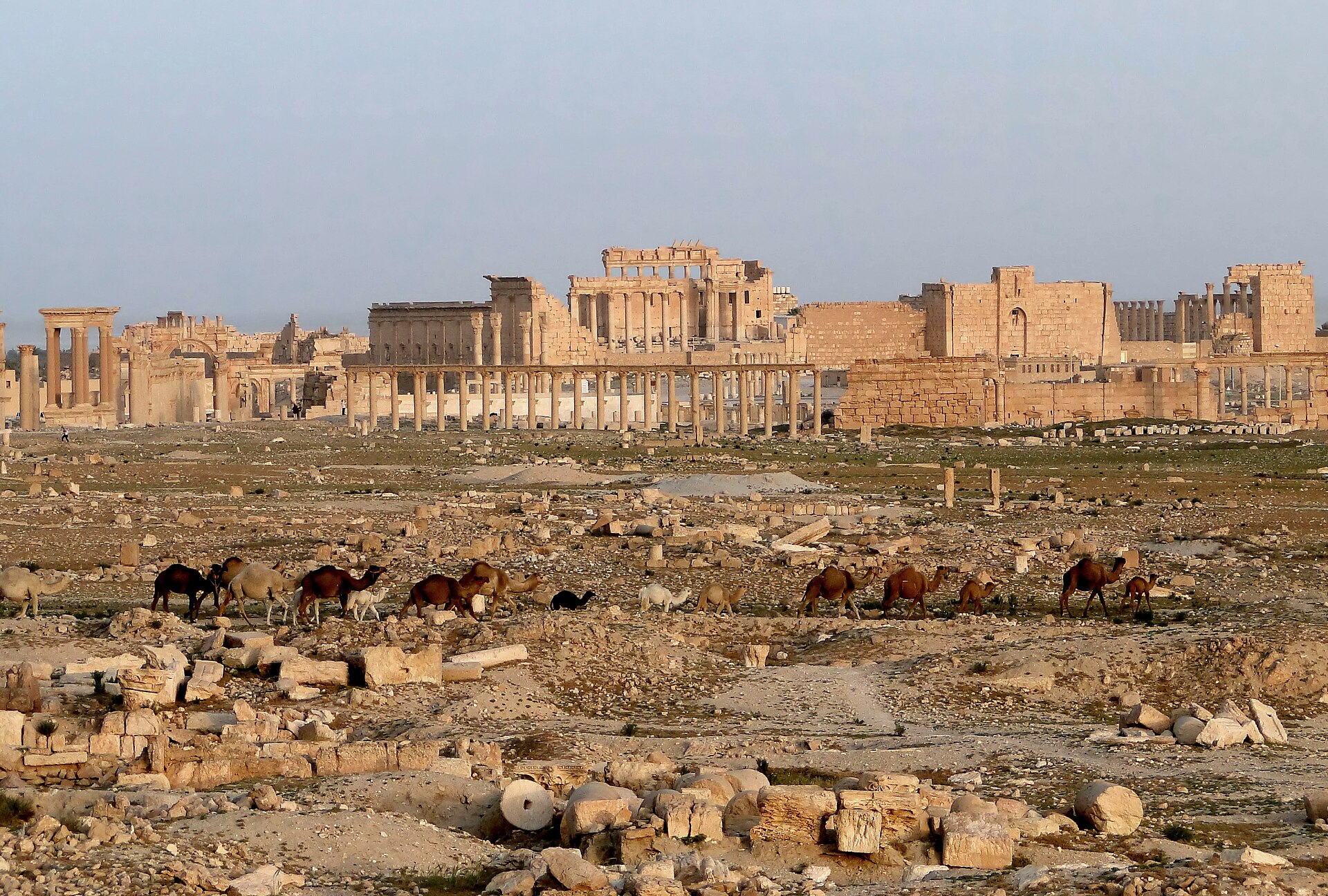
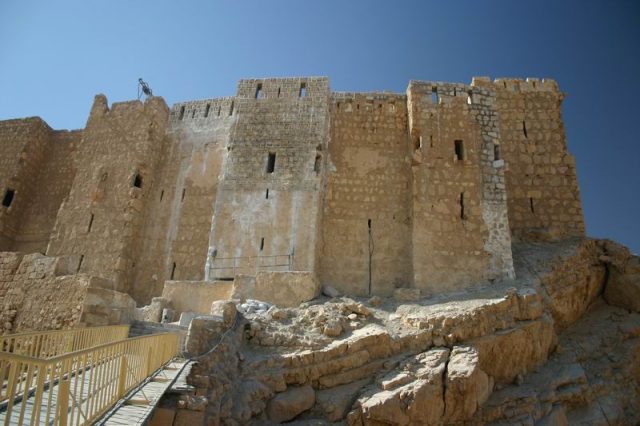
Palmyra Museum stands where the past feels almost tangible, not just preserved behind glass but lingering in every object on display. Nestled in the heart of the ancient city once known as Tadmor, this museum is a quiet witness to Palmyra’s legacy—a place where the desert’s golden ruins still whisper stories of a civilization that once thrived at the crossroads of empires. The building itself is unassuming, a mid-20th-century structure designed with purpose rather than grandeur. Its high ceilings and generous windows allow natural light to soften the weight of history, guiding visitors through layers of time without pretension. There’s no need for spectacle here; the artifacts speak for themselves, and the space seems to hold its breath in reverence for what it safeguards.
The collection spans millennia, from prehistoric fragments to the height of Palmyra’s influence in the early centuries of the Common Era. Trade was the lifeblood of this city, and the museum reflects that, showcasing coins, pottery, tools, and jewelry that reveal the daily rhythms of Palmyrene life. But it’s the sculptures and reliefs that command attention—each one a testament to the skill of artisans who captured not just likenesses but the very essence of their subjects. The funerary portraits are particularly striking, their stone faces so vivid they seem to follow you across the room. These were once part of elaborate tombs, where the elite of Palmyra were laid to rest, and they carry the marks of a culture shaped by Greek, Roman, and Eastern traditions. Gods and goddesses, too, are well represented—Baal, Yarhibol, Allat—each statue a fragment of the city’s spiritual life, its myths and rituals carved in stone.
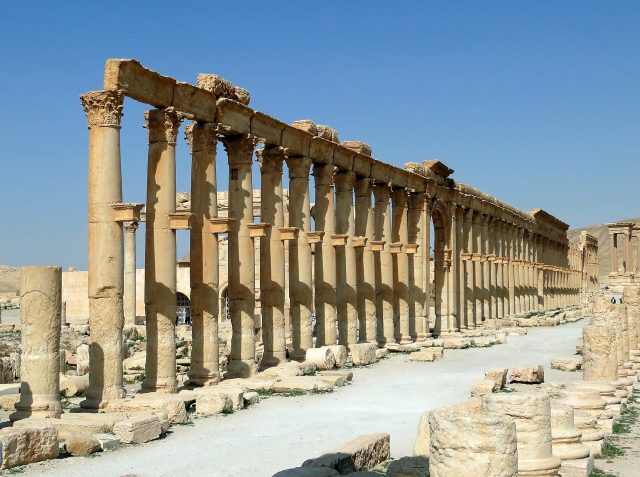
While Palmyra’s artifacts form the core of the museum, the collection extends beyond the city’s borders, offering glimpses into other ancient Syrian sites like Mari, Ebla, and Dura-Europos. These pieces help contextualize Palmyra’s place in the region’s history, but it’s the connection to the legendary "bride of the desert" that gives the museum its soul. Walking through its halls, you begin to piece together the fragments of a city that was once a bustling hub of commerce and culture, where caravans laden with silk, spices, and incense passed through on their way between the Mediterranean and the East. The museum doesn’t just display objects; it reconstructs a world, inviting visitors to imagine the sounds of the marketplace, the scent of myrrh in the air, and the towering columns of the Great Colonnade in their prime.
The experience of visiting the museum is as much about atmosphere as it is about the exhibits. Even if you’ve wandered through Palmyra’s ruins, the museum adds depth, filling in the gaps between crumbling temples and weathered stones. Here, you can linger over inscriptions in Aramaic and Greek, tracing the curves of letters that once conveyed laws, prayers, and personal messages. It’s easy to lose track of time, caught between the past and present, trying to reconcile the grandeur of what was with the quiet resilience of what remains. The museum doesn’t offer easy answers, but it doesn’t need to—the questions it raises are part of its power.
Like Palmyra itself, the museum has endured its share of hardship. The conflict in Syria took a heavy toll, with some artifacts looted or damaged and the building itself scarred by violence. Yet, through the efforts of local and international experts, much of the collection has been preserved, and the museum has slowly begun to reopen its doors. It operates in a limited capacity now, a shadow of its former self but still a vital link to the past. The restoration is ongoing, a reminder that history is not static—it’s something we actively choose to protect, even when the world around it is unraveling.
What makes Palmyra Museum special isn’t just the rarity of its artifacts but the way it makes history feel immediate. This isn’t a place where the past is locked away; it’s a place where it lingers, waiting to be rediscovered. The desert outside may be vast and indifferent, but within these walls, the voices of merchants, priests, and artisans still echo. To visit is to step into a conversation that has been unfolding for thousands of years, one that connects the ancient world to our own. And perhaps that’s why Palmyra continues to captivate—it’s not just a ruin, not just a museum, but a living testament to the enduring human impulse to leave a mark, to build something that outlasts the sands of time.