The Valley of the Tombs
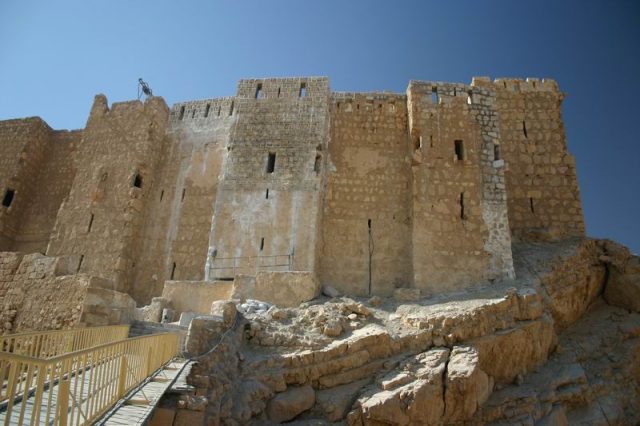
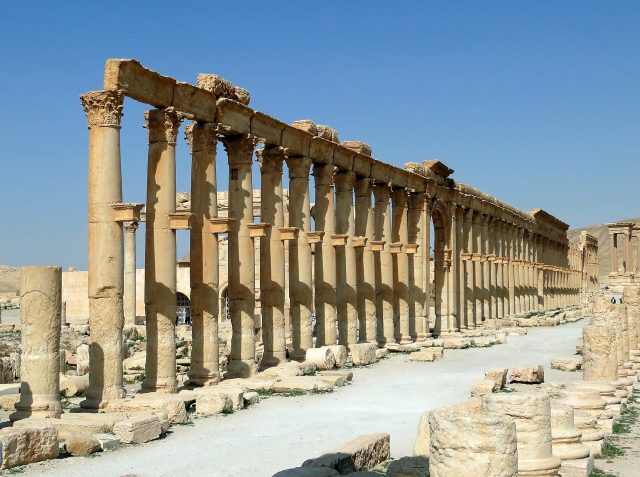
The Valley of the Tombs lies just beyond the ruins of Palmyra, where the desert stretches endlessly under a vast sky. Here, the dead were not buried in quiet graves but entombed in towering structures built for Palmyra’s elite. Two thousand years ago, when the city thrived as a trade hub between Rome and the East, merchants and nobles commissioned these tombs as monuments to their legacy. The towers stand in rows, their limestone facades weathered yet still bearing marks of craftsmanship that once proclaimed their owners’ status.
Each tomb is a vertical maze of chambers, stacked like floors of a miniature palace. The exteriors feature columns and reliefs, blending Roman architecture with local traditions. Inside, narrow niches line the walls, designed to hold sarcophagi—some intact, others broken or looted. The most striking details are the frescoes and Aramaic inscriptions, offering glimpses into the lives of those interred. Names, lineages, and portraits survive, their faces rendered with realism: high cheekbones, thoughtful expressions, faint smiles. These were not idealized figures but real people who walked these sands, traded silk and spices, and believed their memory would endure.
The Tower of Elahbel stands out for its scale. Built by a merchant for his family, it rises several stories high, its interior still bearing traces of original decoration. Some sarcophagi are smaller, holding children laid beside their parents. The tombs were for entire families, reflecting how deeply Palmyra valued kinship, even in death. The care in their construction suggests a society that saw the afterlife as a continuation, where bonds persisted beyond the grave.
Between the first and third centuries AD, Palmyra thrived as a Silk Road crossroads. Caravans laden with goods from Persia, India, and China passed through its gates. Merchants who grew rich from this trade built grand monuments, and the Valley of the Tombs became a display of their ambition. The tombs were statements, designed to impress. Some mimicked Roman villas; others incorporated local motifs, creating a fusion of styles that defined Palmyrene identity.
Today, the weight of history presses in as you walk through the valley. The tombs, though empty, still carry echoes of the past. The wind sweeps through the chambers, stirring sand in the corners. The sun casts long shadows across the stone. There are no crowds here—just the quiet persistence of the desert, reclaiming what was built to defy it.
Time erodes even the most enduring monuments. What remains is a fragile balance between memory and decay, where the past feels almost tangible.
Archaeologists uncover fragments of pottery, inscriptions, and skeletal remains to reconstruct lives. Each discovery adds to our understanding of the city’s rituals and social hierarchies. Yet questions linger: What did these people believe about the afterlife? How did they mourn their dead? What was it like to stand here in the second century, watching the sun set over the dunes?
The Valley of the Tombs is a place of reflection. The stillness makes the modern world feel distant. The tombs don’t demand attention—they simply exist, bearing witness to time’s passage. They remind us that civilizations rise and fall, that wealth and power are fleeting, but the desire to be remembered is universal. The valley is about the human need to leave something behind—a mark, a story, a trace of a life lived.