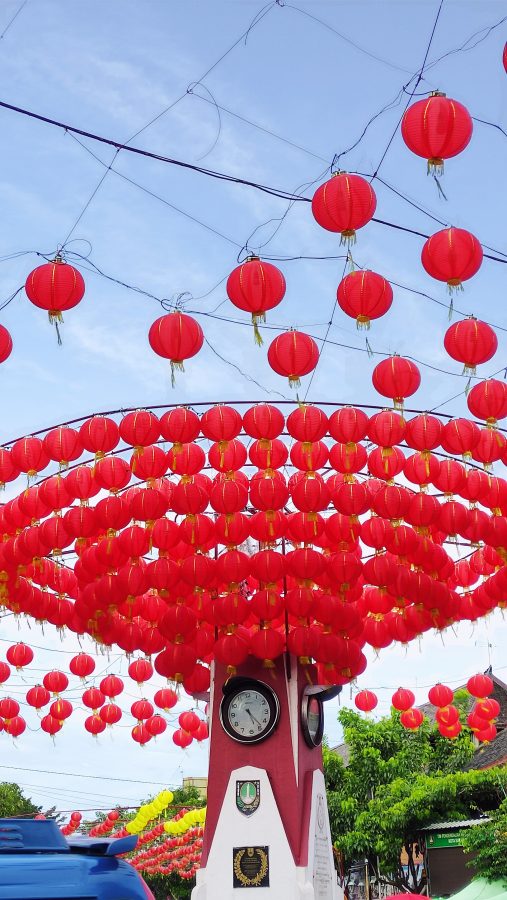
Solo
Indonesia · 7 places
Photo: Sam Hidayat, CC BY-SA 4.0
Surakarta, or Solo as everyone here calls it, feels like a place where the clock has quietly wound down. Tucked in the heart of Java, surrounded by rolling green hills and rice paddies, the city carries the quiet dignity of old sultanates without the weight of their past. Unlike Jakarta’s relentless energy or Yogyakarta’s tourist crowds, Solo moves at its own pace—unhurried, unpretentious, but far from sleepy. The streets hum with a rhythm all their own: the clatter of becaks weaving through morning traffic, the murmur of old men playing chess under mango trees, the scent of freshly brewed coffee drifting from roadside stalls before the sun has fully risen.
This is Java’s cultural heartbeat, where tradition isn’t preserved in glass cases but lived every day. The royal palaces of Kasunanan and Mangkunegaran aren’t just relics; they’re still the stage for ceremonies, weddings, and even state functions, their courtyards echoing with the metallic chime of gamelan orchestras and the rustle of batik being woven on ancient looms. Walk into a woodcarver’s workshop, and you’ll find artisans shaping intricate wayang puppets with the same tools their grandfathers used. The city’s craftspeople don’t just keep these skills alive—they pass them on, often to children who learn by watching, then trying, then mastering. It’s the kind of place where authenticity isn’t staged for visitors; it’s simply how things are done.
Yet Solo isn’t stuck in time. The city has a quiet pulse of its own, especially in its markets and cafés. Mornings belong to Pasar Gede, where vendors pile mounds of tropical fruit, sacks of spices, and sticky-sweet klepon balls onto tables, their voices rising in the familiar haggling dance. By evening, the air fills with the smoky sweetness of sate grilling over charcoal and the clink of glasses as students and locals linger over coffee from nearby plantations. There are no towering skyscrapers here, just low-slung buildings with peeling paint, small galleries showcasing contemporary art, and bookshops where the scent of old paper mixes with the earthy aroma of jasmine tea. On weekends, the squares come alive with impromptu concerts or open-air dance performances, the kind where anyone can join in if they feel like it.
Solo’s location makes it a perfect base for exploring Central Java—Borobudur’s ancient stupas, the towering spires of Prambanan, or the smoldering slopes of Mount Merapi are all within reach. But many travelers end up staying longer than they planned, drawn in by the city’s unassuming charm. There’s the slow stroll along the Bengawan Solo River at dusk, where fishermen mend their nets and children chase each other along the banks. There are the tiny, cluttered bookshops where you might spend an hour flipping through yellowed copies of Javanese poetry. And then there are the wayang performances, where the flickering light of oil lamps casts shadows of epic battles onto a screen, the dalang’s voice weaving stories that have been told for centuries. The city doesn’t demand your attention; it simply offers itself, letting you discover its layers at your own pace.
What makes Solo special isn’t any single attraction, but the way it makes you feel—like you’ve slipped into a place where time moves differently. There’s no rush here, no pressure to see or do. The streets invite you to wander, the cafés to linger, the workshops to watch and learn. It’s a city that doesn’t try too hard to impress, which might be why it does.
See & Do
7 places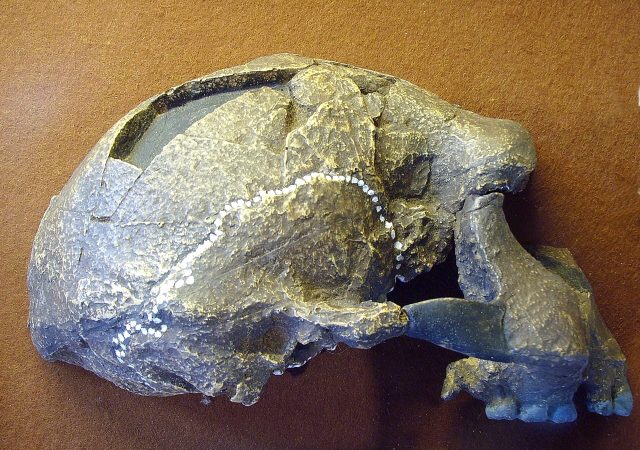
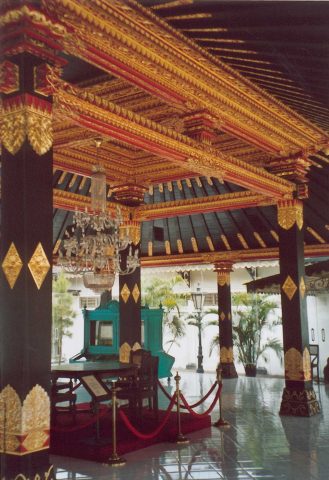
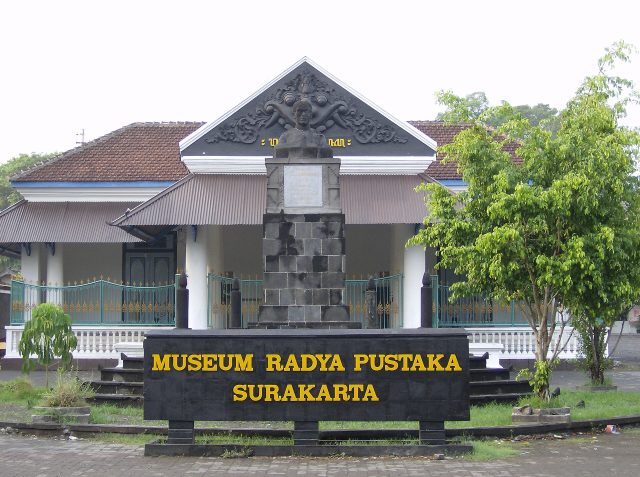
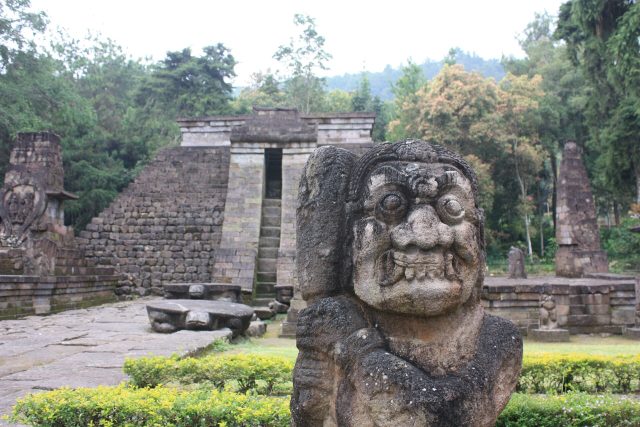
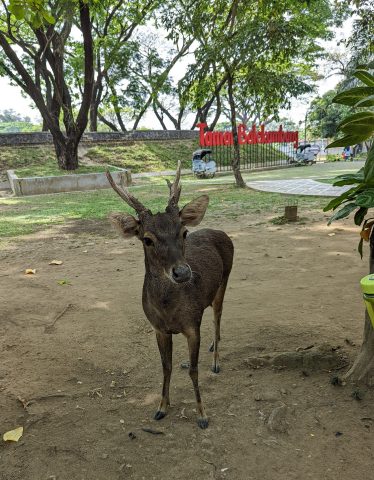
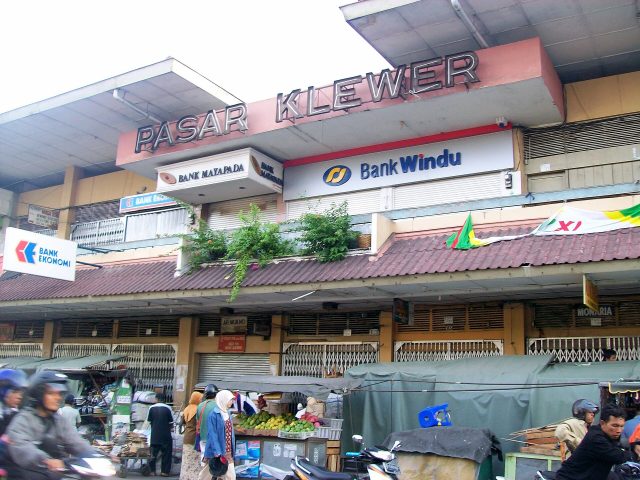
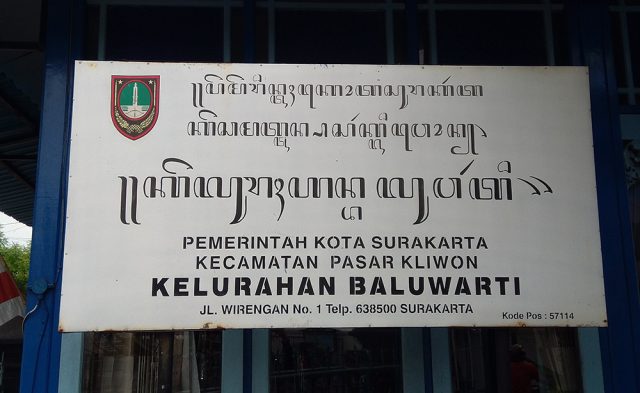
Places on the map
Marker colour follows the categoryClimate and weather
Detailed weather: Solo- Average temperature
- 28 °C
- Precipitation per year
- 0 mm
Average air temperature
°C
28
28
28
28
28
28
28
27
28
29
28
28
Jan
Feb
Mar
Apr
May
Jun
Jul
Aug
Sep
Oct
Nov
Dec


