Surakarta’s Kraton is more than an ancient palace—it’s a living chapter of Javanese history, one that has breathed tradition for over two and a half centuries. Built in the mid-1700s, it became the seat of Sultan Pakubuwono II after the former Mataram capital faced destruction from a volcanic eruption. Surakarta, or Solo as locals call it, rose as the new heart of Javanese statehood, with the kraton at its core. Even today, descendants of the sultan’s dynasty reside within its walls, and though political power has long shifted to modern institutions, the palace remains a symbol of continuity and spiritual authority, a quiet reminder of the past’s enduring presence.
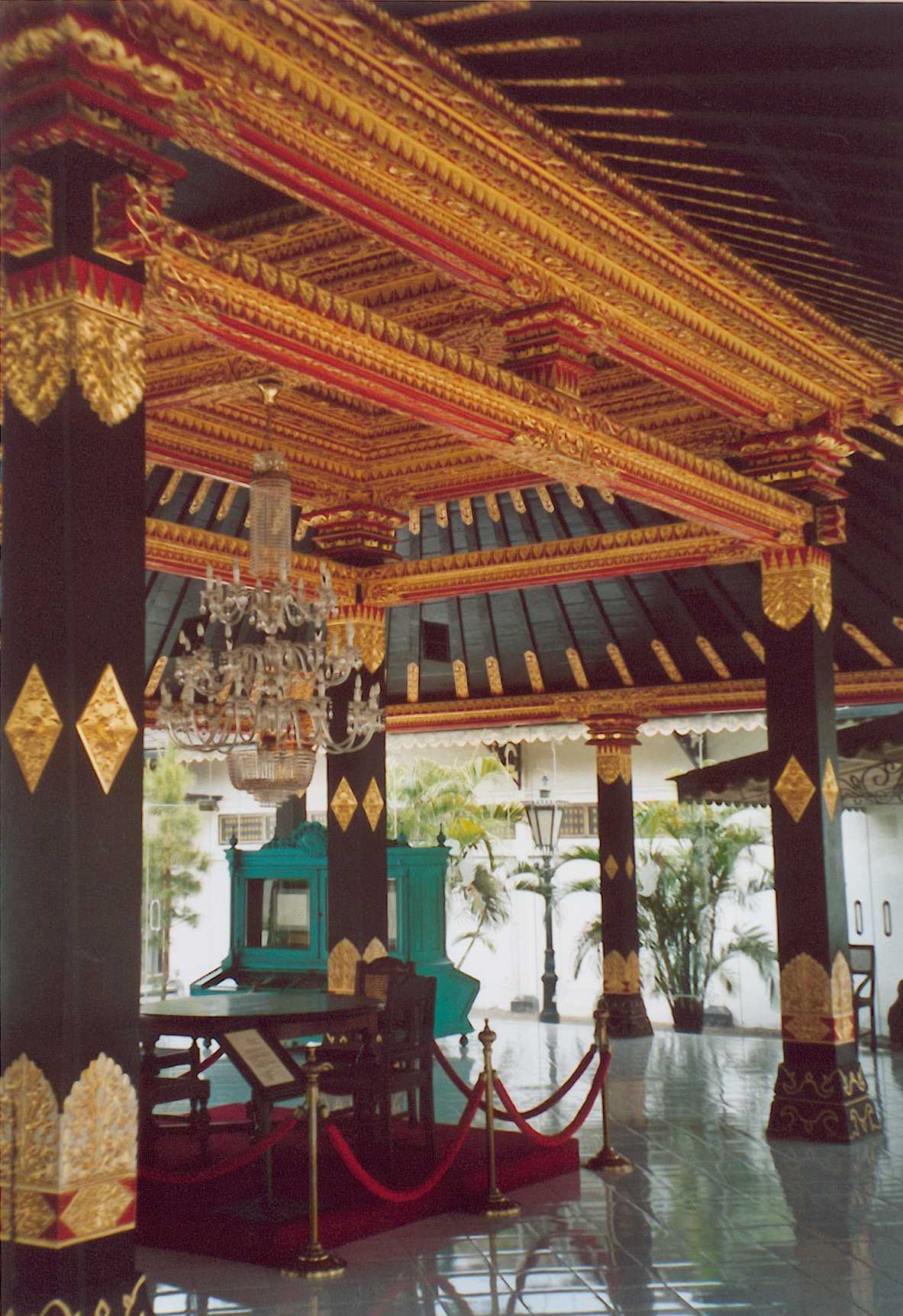
The architecture of the kraton is a masterclass in Javanese palace design, where every detail carries meaning. The grand gates leading to the inner courtyards are adorned with intricate carvings that tell stories of the island’s mythology and history. Behind its high walls lies a complex of buildings—audience halls, private chambers, and open courtyards—each serving a purpose in the rhythm of courtly life. The Sasana Sewaka hall, where foreign dignitaries were once received, stands out with its wooden columns and ceilings painted in gold and vibrant hues, a space that still carries the weight of its former grandeur.
Inside, the kraton houses a remarkable collection of artifacts that offer a glimpse into the lives of Javanese nobility. Ancient gamelan instruments, still played during ceremonies, share space with ornate royal costumes embroidered in gold thread and ceremonial carriages that once carried sultans through the city. There are also displays of ceramics and weaponry from across Asia, evidence of Mataram’s far-reaching trade and diplomatic ties. These objects aren’t just relics; they’re part of an ongoing tradition, carefully preserved and occasionally brought to life during rituals.
What makes the Kraton of Surakarta unique is that it isn’t a museum frozen in time. It’s a place where history is still being written. Traditional ceremonies like Sekaten, celebrating the birth of the Prophet Muhammad, and Grebeg Mulud, where the sultan leads a procession symbolizing the bond between ruler and people, fill the palace with music, incense, and crowds. Even on ordinary days, the kraton hums with quiet activity—women weaving batik, musicians practicing, or artisans at work. The rituals may have evolved, but their essence remains unchanged, a thread connecting the present to the past.
The surrounding Kratenan district is as much a part of the kraton’s story as the palace itself. This oldest quarter of Solo feels like a step back in time, with narrow lanes lined with batik workshops, pottery studios, and spice stalls. Unlike the city’s more tourist-driven areas, Kratenan moves at its own unhurried pace, its daily life shaped by traditions that have endured for generations. A walk through its streets offers a sense of Solo’s soul—a city that has grown but hasn’t forgotten its roots.
For Surakarta and Java as a whole, the kraton is more than a historical landmark; it’s a guardian of cultural heritage. Here, traditional dance, music, and crafts are still taught, passing knowledge from one generation to the next. Many locals, regardless of their personal views on monarchy, regard the palace with reverence, seeing it as a symbol of Java’s deep connection to its myths, nature, and customs. It’s a place where the past isn’t just remembered—it’s lived.
Visiting the kraton is like stepping into a world where time moves differently. There’s no rush, no modern clamor, just the quiet persistence of history unfolding at its own pace. Even those who aren’t drawn to architecture or history will feel the weight of its atmosphere—a sense that some things endure, not because they’re preserved in glass cases, but because they’re woven into the fabric of daily life. Surakarta’s kraton doesn’t just tell a story; it invites you to be part of it, if only for a moment. In a world that often seems obsessed with the new, it’s a reminder that some traditions don’t fade—they simply deepen with time.