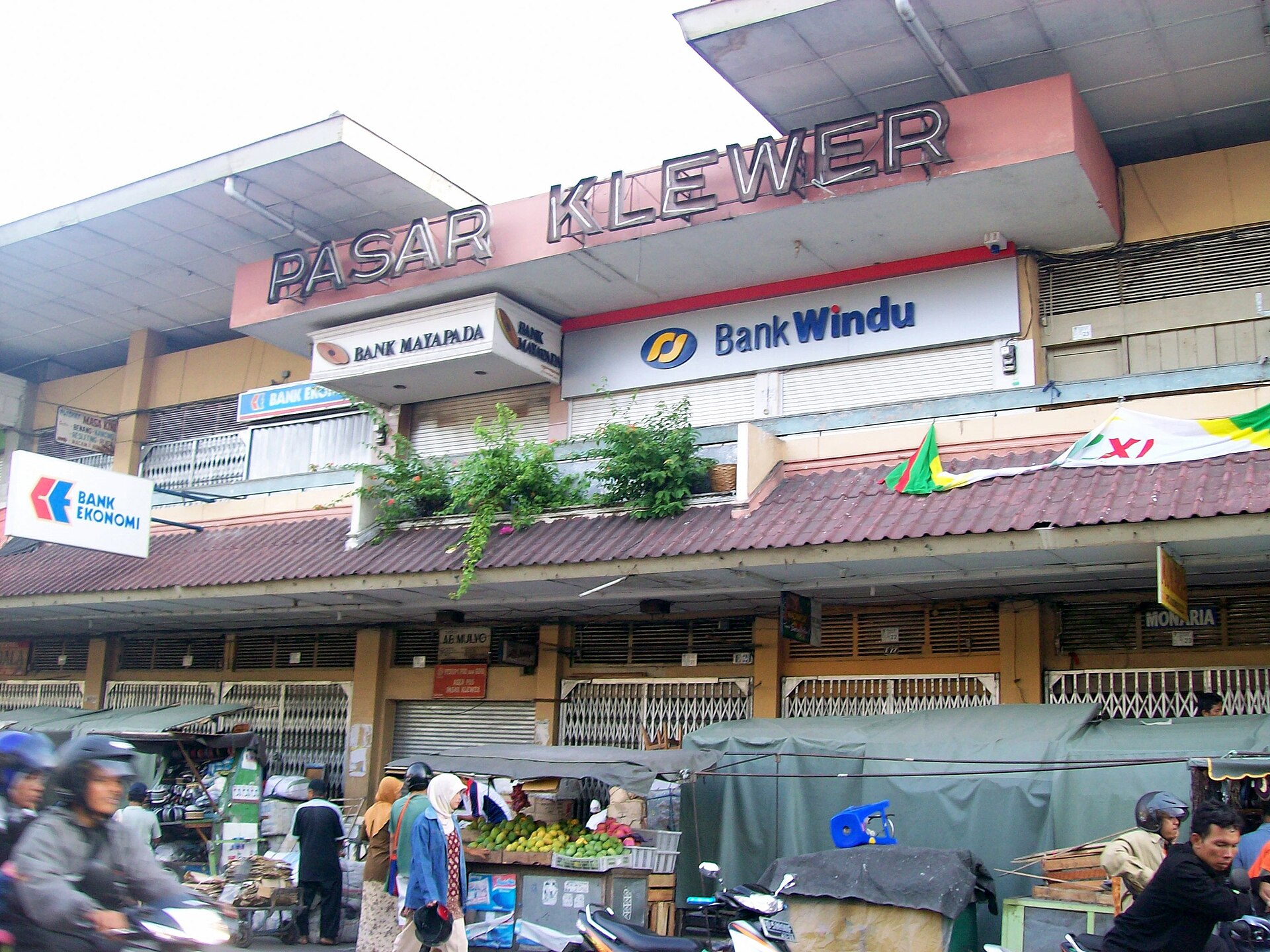
Solo’s Pasar Klewer is the kind of place where the city reveals itself without pretense—no polished tourist veneer, just the raw, unfiltered rhythm of daily life. It isn’t merely a market; it’s a living organism, breathing in sync with the streets, the buildings, and the people who fill its aisles every day. There’s no forced exoticism here, just an authenticity that seeps into every corner: the scent of spices lingering in the air, the calls of vendors haggling with customers, the rustle of shoppers sifting through piles of goods.
Solo, often called by its old name Surakarta, has always carried a distinct character. Unlike its more tourist-savvy neighbor Yogyakarta, it has held onto the soul of a former Javanese capital, where traditions aren’t just preserved but actively lived. Pasar Klewer is part of that legacy. It emerged in the mid-20th century, when Solo was flourishing as a commercial and cultural hub of Central Java. Back then, markets weren’t just places to buy and sell—they were social spaces where people exchanged news, struck deals, and simply gathered. Klewer became one of those places, a microcosm of the city’s pulse.
The market’s architecture is straightforward and practical, designed for function over form. Long covered walkways, high ceilings, and wide aisles between stalls ensure there’s room for both crowds and goods. The lighting is dim, but that only adds to the atmosphere—colors seem richer in the soft glow, whether it’s the vibrant hues of batik fabrics, the metallic sheen of kitchenware, or the rainbow of fresh produce. Occasionally, sunlight filters through gaps in the roof, illuminating swirls of dust or the steam rising from hot food stalls, making the space feel even more alive.
You’ll find everything here that makes up daily life in Solo. The ground floor is a maze of fresh produce: mounds of vegetables and fruit, glistening fish, cuts of meat, eggs stacked in pyramids, and sacks of spices. A highlight is the array of traditional Javanese sweets—sticky rice cakes, fried bananas, and sweet coconut balls—cooked right on the spot, their aroma mingling with the scent of herbs and fried oil. Upstairs, the focus shifts to textiles: batik in every pattern imaginable, silk, cotton, and ready-made clothing like sarongs and headscarves. There are also stalls selling household items, electronics, and the occasional souvenir, though these aren’t the main draw like they might be in more tourist-oriented markets.
What sets Klewer apart is its rhythm. By six or seven in the morning, the market is already in full swing. Vendors arrange their goods, early risers hunt for the freshest produce before the heat sets in, and the air hums with activity. By midday, things slow down—many locals retreat to escape the worst of the sun, and the market quiets for a few hours. But as evening approaches, life returns. Shoppers stop by after work, students grab a quick bite, and the rare tourist wanders through, eyes wide with curiosity. The noise of the crowd, the clatter of dishes, the occasional laughter—it all feels familiar, almost domestic, as if the market itself is breathing again.
If you want to understand Solo, Pasar Klewer is one of the best places to start. There are no guided tours, no scripted experiences, just the unfiltered flow of life. You can wander the aisles, eavesdrop on conversations, watch as people haggle over prices or call out to passersby. Sometimes a vendor will offer a taste of something—a spicy snack, a sweet drink—or explain the uses of a particular spice. These small, unplanned moments often leave a deeper impression than any guidebook ever could.
Of course, the market isn’t perfect. During peak hours, it can get crowded, and in the rainy season, some walkways become slick with water. But those imperfections are part of what makes it real. Unlike sterile supermarkets where everything is neatly packaged and labeled, Klewer is messy, vibrant, and unapologetically alive. It’s a place where you can see how people in Solo actually live: what they eat, how they dress, what they consider essential. Even if you don’t buy anything, just observing the ebb and flow of daily life offers a glimpse into the city’s soul.
Like the city itself, the market is always evolving. New stalls open, old ones disappear, and some sections shift to different parts of the building. But the essence remains the same. Klewer is still a place where people come to trade, to chat, to live. For locals, it’s part of the routine; for visitors, it’s a window into a different way of life. If you find yourself in Solo, it’s worth stopping by—just to feel the city’s heartbeat, the one that hums beneath the surface of its palaces and temples.