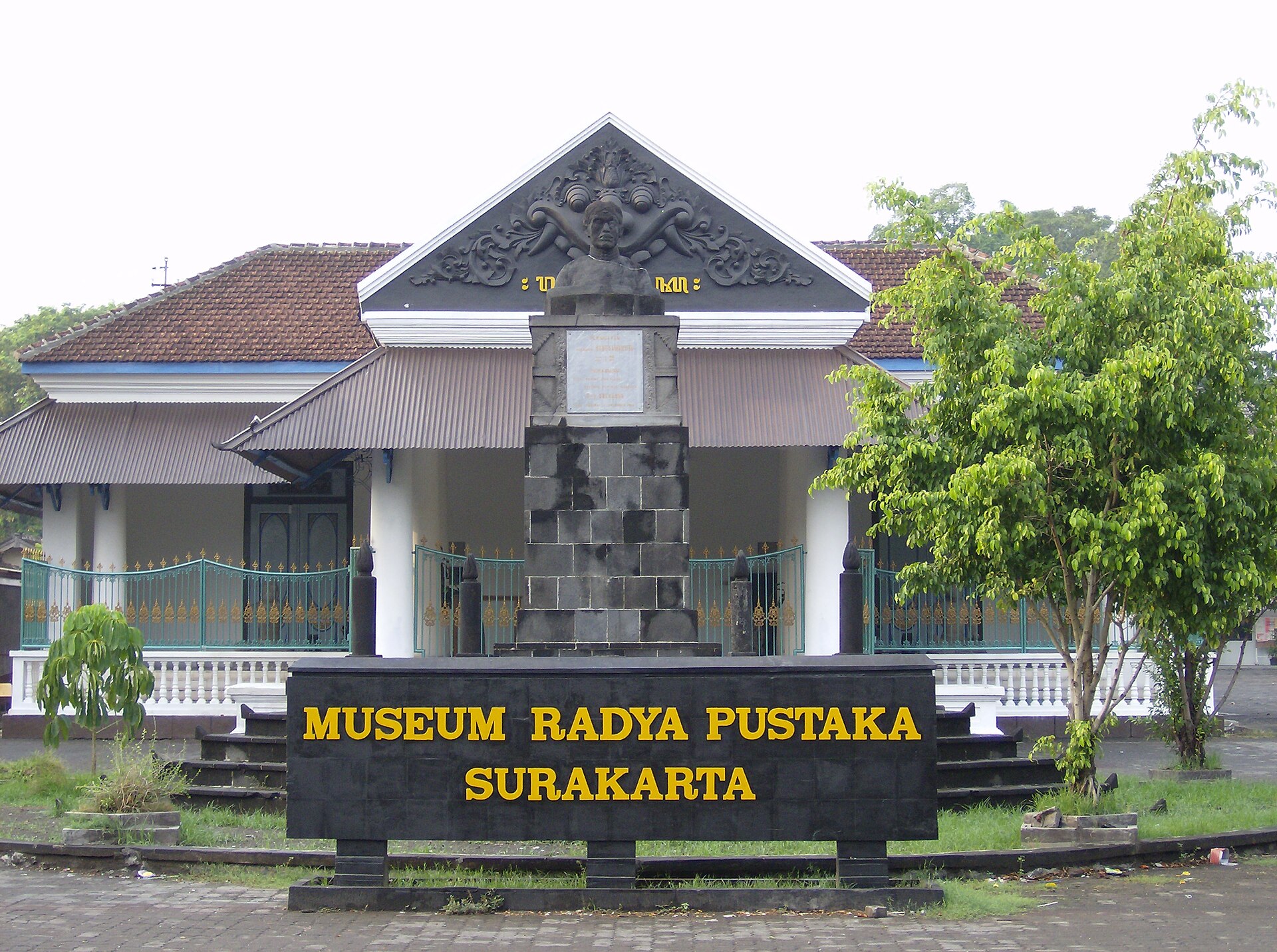
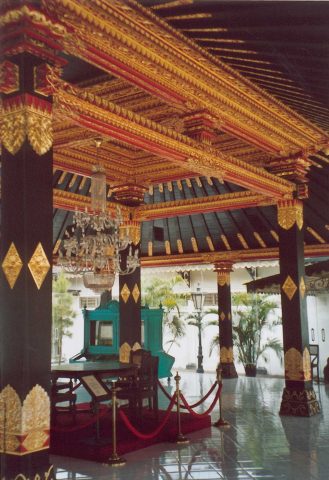
Radya Pustaka Museum in Solo is one of those rare places where time seems to pause, allowing the past to breathe. Tucked within the grounds of the Surakarta Kraton, the former royal palace complex, it occupies a quiet corner of the city where the air carries the weight of centuries. The building itself is a testament to Java’s layered history—its architecture blends traditional Javanese design with subtle colonial influences. High ceilings, intricately carved wooden shutters, and wide verandas evoke an era when scholars, poets, and rulers gathered here to debate literature, philosophy, and the affairs of state. The space feels lived-in, as if the echoes of those conversations still linger in the shadows.
Founded in 1890 under the reign of Sultan Pakubuwono IX, the museum began as part of the palace library. Its name, which translates to House of Sacred Writings, reflects its original purpose: a repository of knowledge. The collection holds some of the oldest surviving manuscripts in Southeast Asia, many written on lontar palm leaves or the delicate bark paper known as kagat, which predates European paper on Java. These texts cover everything from mythology and astronomy to medicine and law, their pages adorned with illustrations made from natural pigments. Some manuscripts are so well-preserved that their colors remain vibrant, a quiet defiance against the passage of time.
Among the most significant documents are the chronicles and genealogical records of the Mataram and Surakarta sultanates. These aren’t just historical records—they’re windows into a complex world of power, ritual, and belief that shaped Javanese society for generations. Original treaties with the Dutch East India Company sit alongside letters from sultans to neighboring rulers, personal diaries, and legal decrees. For historians, these materials offer an unfiltered look at how one of the region’s most influential cultures evolved, adapted, and endured.
Beyond manuscripts, the museum houses everyday objects that tell their own stories. There are ceramics from the Majapahit era, kris daggers with their signature wavy blades and intricate patterns, and gamelan instruments—bronze gongs and xylophones whose music still fills Javanese ceremonies today. The collection of wayang puppets stands out, each figure carved from buffalo hide and painted by hand. These puppets weren’t just for entertainment; they were tools for teaching morality, philosophy, and history through shadow theater, a tradition that continues to this day.
What makes Radya Pustaka more than just a museum is its connection to living traditions. Occasionally, the space comes alive with demonstrations—calligraphy on palm leaves, gamelan performances, or wayang shows. Visitors can try their hand at writing on lontar or watch as a dalang, the puppeteer, brings ancient stories to life with nothing but shadows and light. The atmosphere is immersive, a reminder that these traditions weren’t just preserved; they were practiced, passed down, and adapted over centuries.
Solo, often called by its nickname, is a city where the past isn’t confined to museums. It’s woven into daily life, and Radya Pustaka is one of the places where that connection feels strongest. The museum doesn’t try to be flashy or modern. Instead, it offers something rarer: a sense of continuity. You might spend an hour tracing the delicate script of a 19th-century manuscript, or simply sitting on the veranda, watching how the sunlight filters through the wooden lattice. The quiet here isn’t empty—it’s full of the rustle of turning pages, the murmur of old prayers, and the faint hum of history.
For those who take the time to look, the museum reveals how history isn’t just about dates and events. It’s about the people who wrote these texts, the hands that carved these puppets, and the voices that once filled these halls. In an age where everything moves quickly, Radya Pustaka is a place that asks you to slow down. It doesn’t demand attention; it earns it, one carefully preserved page at a time. And in doing so, it offers something increasingly rare—a chance to step outside the present and listen to the past.