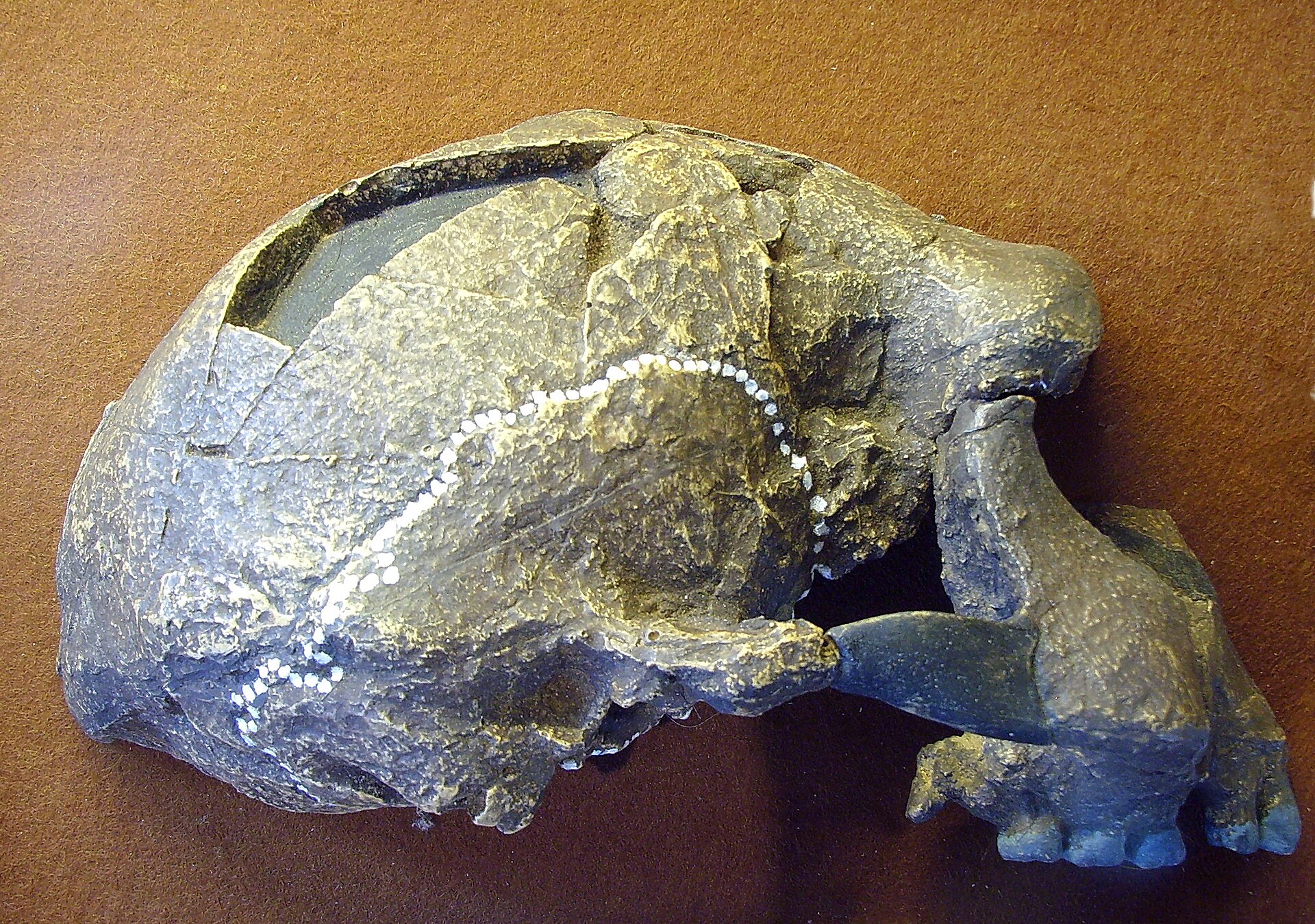
Sangiran is where the earth itself tells the story of humanity’s earliest chapters. Tucked away in the countryside near Surakarta, in the heart of Central Java, this sprawling archaeological site has reshaped our understanding of human evolution. Over a million years ago, the fertile plains here were home to Java Man, an early human ancestor whose remains were among the first to challenge old assumptions about when and how our species spread across Southeast Asia. The discoveries made in these rolling hills didn’t just fill gaps in the fossil record—they forced scientists to rewrite the timeline of human migration.
Unlike sterile museum displays or carefully curated dig sites, Sangiran feels raw and alive. The landscape is gentle, with soft hills and winding streams that have carved through the earth for millennia, gradually exposing layers of history. It was these natural forces—rain, erosion, the slow shift of the land—that first revealed fragments of ancient skulls and bones to the world. There’s no grand staging here, no glass cases or polished exhibits. The past isn’t preserved behind barriers; it’s embedded in the soil, waiting to be uncovered.
The man who brought Sangiran to global attention was Dutch anthropologist Gustav Heinrich Ralph von Koenigswald. In the 1930s, he began systematic excavations in the area, unearthing evidence that Java was one of the earliest known habitats of early humans. His findings didn’t just include bones—they revealed a world. Alongside the remains of Java Man, researchers discovered stone tools, some crude and others surprisingly refined, as well as fossils of long-extinct creatures like stegodons and giant tortoises. Together, these artifacts painted a picture of a people who hunted, foraged, and adapted to a landscape that was both generous and unforgiving.
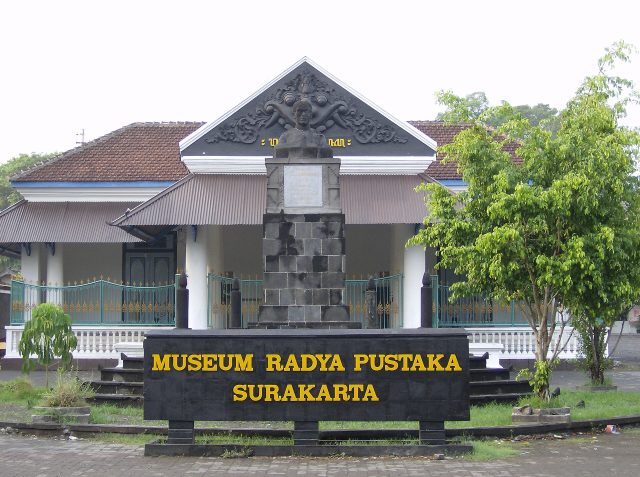
Today, Sangiran is a living museum, a place where the past isn’t just studied but actively uncovered. A small on-site museum houses reconstructions of early humans, their tools, and the bones of the animals they shared the land with. The displays are modest but striking, offering a glimpse into the daily lives of our ancestors. One of the most fascinating aspects is seeing the evolution of stone tools—from simple hand axes to more sophisticated implements—proof of how ingenuity developed over generations. Outside, the real work continues. Excavations are ongoing, and new discoveries are made every year, often by local farmers who stumble upon fossils while tending their fields.
What makes Sangiran truly special isn’t the exhibits or the museum, but the land itself. This is a place where history isn’t confined to textbooks or locked behind doors. It’s still unfolding, layer by layer, with every rainstorm that washes away another inch of soil. The connection to the past feels tangible here, as if the earth is still holding its breath, waiting for the next revelation. There’s a quiet humility in walking these hills, knowing that the ground beneath your feet once supported a way of life so distant it’s almost unimaginable.
For travelers, Sangiran offers something rare: a chance to step away from the noise of modern tourism and into a landscape that has remained largely unchanged for millennia. There are no crowds, no guided tours rushing from one attraction to the next. Instead, there’s space—space to wander, to reflect, to let the weight of time settle in. The silence is profound, broken only by the rustle of wind through the grass or the distant call of a bird. It’s easy to lose yourself in the vastness of it all, to feel both insignificant and deeply connected to something far greater than yourself.
This is a place for those who seek more than just a photo opportunity. Sangiran appeals to the curious, to anyone who has ever wondered about the origins of humanity or the slow, patient work of discovery. There’s no need to imagine what life was like for our ancestors here—you can see it in the contours of the land, in the way the light falls across the hills, in the very air that carries the scent of earth and history. It’s a reminder that the past isn’t just something we read about; it’s something we can stand on, touch, and feel.
What lingers after a visit to Sangiran isn’t just the memory of fossils or tools, but the sense of continuity. This land has witnessed the rise and fall of countless generations, the slow march of evolution, the quiet persistence of life. To walk here is to walk in the footsteps of those who came before us, to acknowledge that we are just one small part of a much larger story. And perhaps that’s why Sangiran feels so essential—it doesn’t just show us where we came from. It makes us feel it.