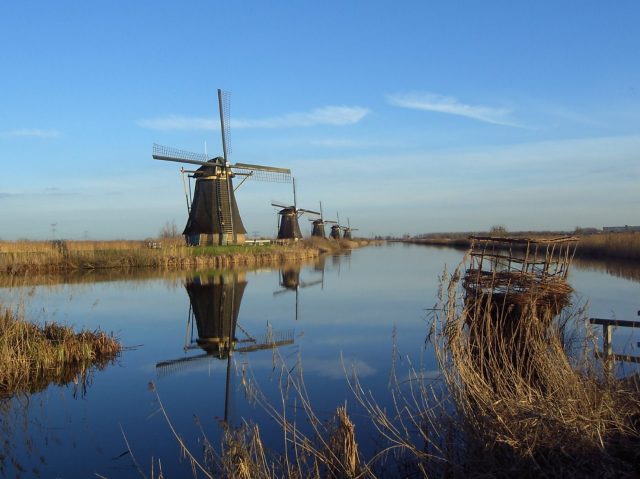
Nizhny Novgorod
Russia · 16 places
Nizhny Novgorod sits where the Oka River meets the Volga. Water and trade shaped the city. For centuries, it was a gateway between Europe and Asia. Merchants from Persia, Central Asia, and the Baltic exchanged goods, ideas, and languages here. That legacy lingers in the quiet courtyards of the old trading rows. Low-slung brick warehouses still bear the marks of past prosperity.
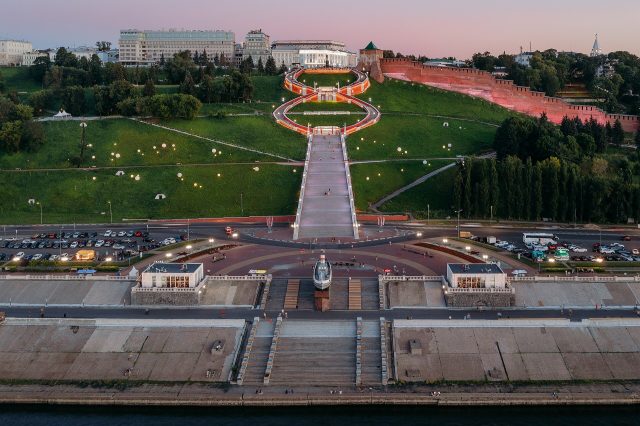
The city’s kremlin, a red-brick fortress perched on a hill, has watched over this confluence for over five hundred years. Its walls curve along the bluff. From here, you can see the rivers and the low, wooded banks beyond—views that shift with the seasons, from winter’s icy blues to summer’s greens.
The historic center feels like a place where time moves differently. Streets wind uphill from the riverside. They’re lined with houses that once belonged to merchants and artisans. Some facades have stucco and wrought-iron balconies. Others are plain, their age showing in weathered wood and faded paint.
Bolshaya Pokrovskaya is the main pedestrian street. Here, the city’s character is clearest. Street musicians play accordions. Old men argue over chess in the shade of linden trees. The scent of fresh pirozhki drifts from corner bakeries. It’s not polished—just everyday life, with the occasional grand building reminding you of the city’s former wealth.
Beyond the center, Nizhny Novgorod unfolds in layers. The upper town has wide boulevards and Soviet-era apartment blocks. It feels different from the narrow alleys below.
The Volga embankment is a long promenade along the river. Locals come here to walk, bike, or sit and watch the water. Ferries and cargo ships pass by, a reminder of the city’s industrial roots.
The old fairgrounds, once the largest in Russia, now host festivals and markets. Their pavilions mix neoclassical grandeur and Soviet design. The city’s industrial past isn’t hidden. Factories line the river, and working-class neighborhoods sprawl toward the outskirts.
Nizhny Novgorod’s history isn’t just preserved—it’s lived. The kremlin isn’t just for tourists. People gather here for concerts and protests. Newlyweds take photos against its ancient walls. The rivers shape the city’s rhythm. Morning mist rises over the water. Sunset turns the Volga gold. The city doesn’t try to impress. That’s why it does.
See & Do
16 places


Places on the map
Marker colour follows the categoryClimate and weather
Detailed weather: Nizhny Novgorod- Average temperature
- 6 °C
- Precipitation per year
- 688 mm
- Sunshine hours per day
- 6.2 h
Average air temperature
°C
-9
-6
-1
7
13
18
20
19
12
6
-1
-6
Jan
Feb
Mar
Apr
May
Jun
Jul
Aug
Sep
Oct
Nov
Dec