Malbork Castle
Poland · 8 places
Photo: Kapitel, CC BY-SA 4.0
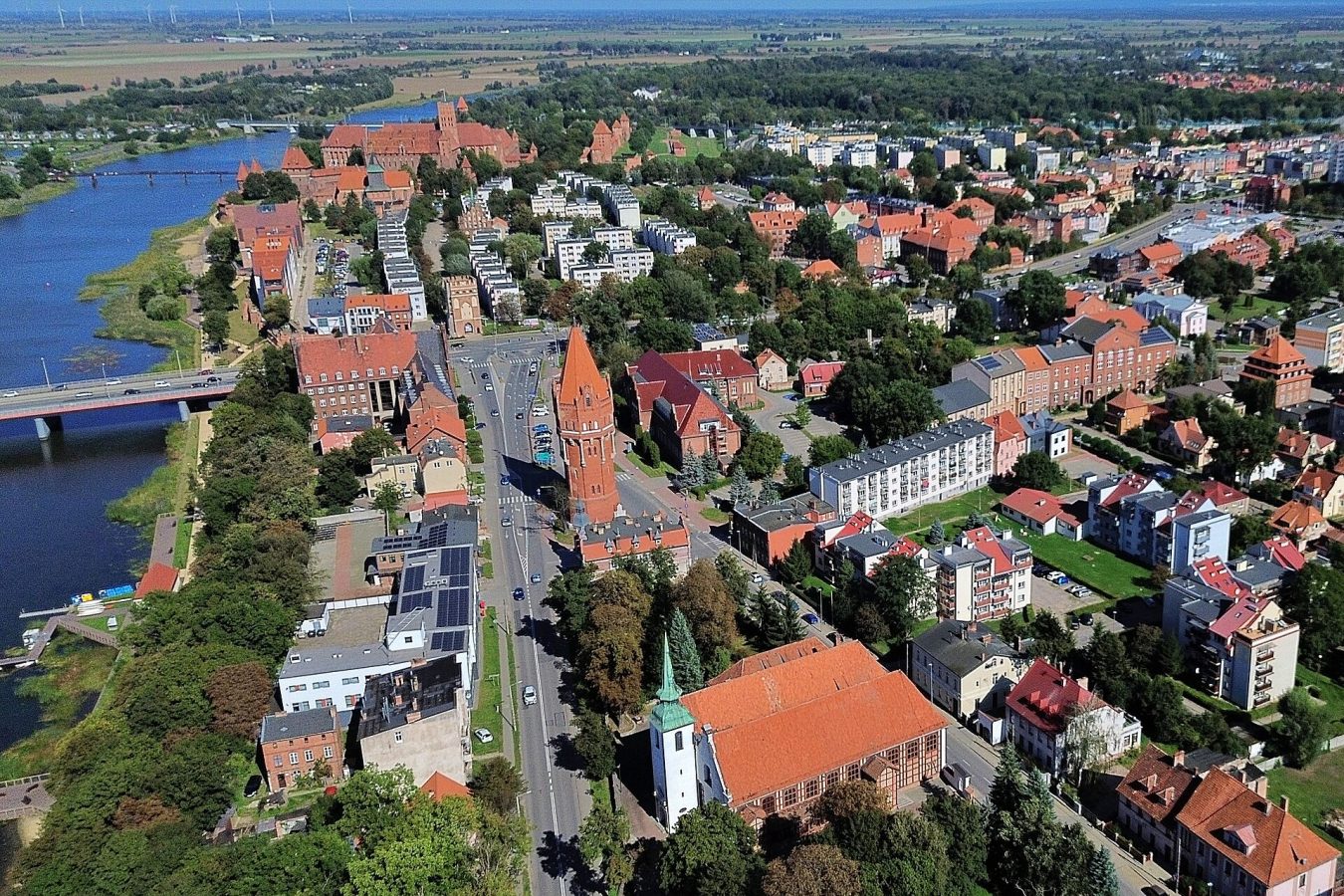
Malbork feels like a place where time has paused, leaving behind the quiet rhythm of a medieval Prussian town. There are no crowded boulevards or hurried tourists here, just cobblestone streets winding past old houses with steeply pitched roofs and the towering silhouette of a castle that has watched over the city for centuries. This is a town that doesn’t try to impress with modern attractions—its real treasure is the weight of history that lingers in every corner, as tangible as the worn stones underfoot.
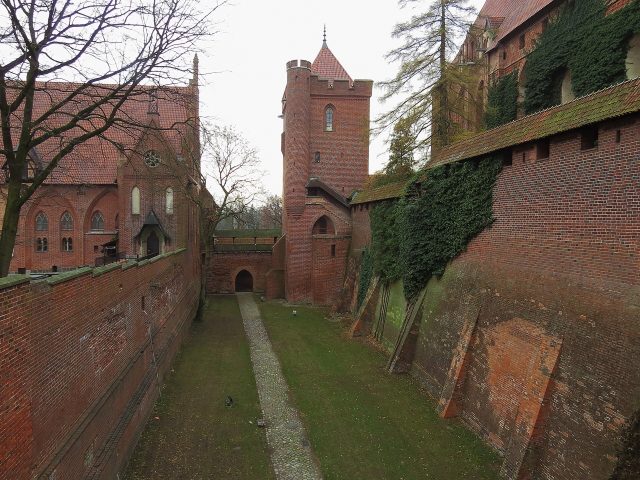
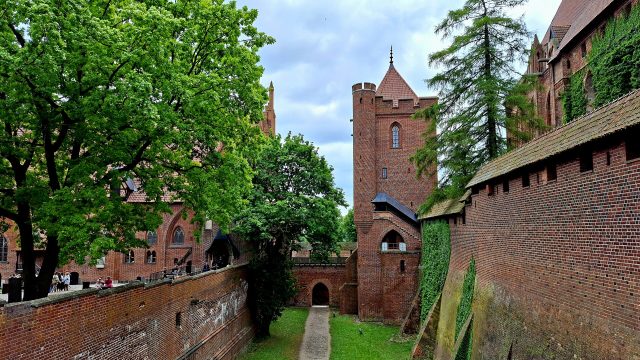
The castle, known as Marienburg to the Teutonic Knights who built it in the 13th century, isn’t just a monument—it’s the heart of Malbork. For generations, it served as the seat of the Grand Master and one of Europe’s most formidable fortresses. Today, it holds the title of the world’s largest brick castle, and its sheer scale still catches visitors off guard. Walking through its vast courtyards, past soaring vaulted halls and narrow spiral staircases, it’s easy to imagine the castle as it once was: a bustling stronghold where knights plotted campaigns, craftsmen hammered in workshops, and feasts filled the grand refectory. The Golden Gate, intricately carved and leading to the Grand Master’s chambers, and the Chapel of St. Anne, where the order’s relics were once kept, are among the most striking reminders of its past.
Beyond the castle walls, Malbork moves at its own unhurried pace. The town center has the easygoing charm of a provincial place where life isn’t dictated by the clock. There’s no need to rush—you can linger in a café on the market square, sampling local pierogi stuffed with meat or mushrooms, or simply sit by the Nogat River, watching boats drift by. In summer, the riverbank comes alive with strollers and the occasional evening concert, while winter wraps the town in a quiet hush, the castle’s floodlit walls casting long shadows over the snow.
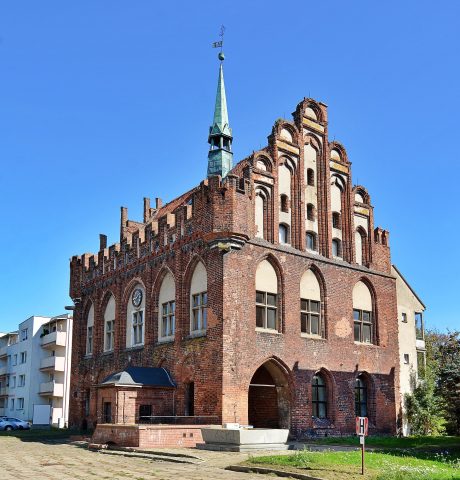
Malbork’s history is a tapestry of shifting powers. After the Teutonic Order’s decline, the town passed between Polish, Prussian, and German hands, each leaving its mark on the architecture, traditions, and even the food. Local restaurants serve dishes rooted in old recipes—smoked fish from the Nogat, hearty żurek soup with sausage, or spiced gingerbread that the region was once known for. The town’s museums hold artifacts from these different eras, offering glimpses into the lives of the people who called this place home.
For history lovers, Malbork is a goldmine. The castle’s exhibits—suits of armor, medieval weapons, and reconstructed workshops—could fill days of exploration. But the town has a quieter appeal too. It’s a place made for wandering, where you can meander down side streets, peek into hidden courtyards, or sit by the river with nothing but the sound of water and gulls for company. Malbork doesn’t try to be a trendy destination; it simply exists as it always has, and that’s where its charm lies.
See & Do
8 places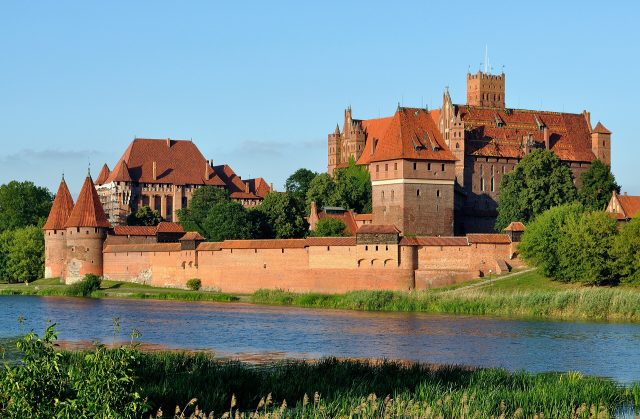
Places on the map
Marker colour follows the categoryClimate and weather
Detailed weather: Malbork Castle- Average temperature
- 9 °C
- Precipitation per year
- 781 mm
- Sunshine hours per day
- 5.7 h
Average air temperature
°C
-1
0
3
7
12
17
18
18
14
9
4
1
Jan
Feb
Mar
Apr
May
Jun
Jul
Aug
Sep
Oct
Nov
Dec