Malbork’s Amber Museum
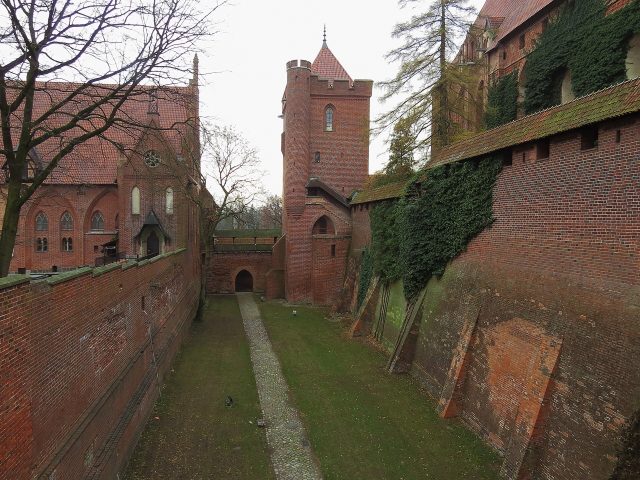
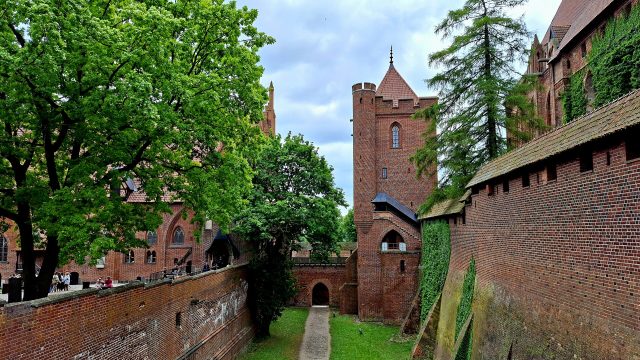
Malbork’s Amber Museum isn’t just a place to see objects behind glass. The town has been tied to amber for centuries. This region was the heart of the Baltic amber trade during the Middle Ages, and Malbork, as the capital of the Teutonic Order, was a key stop on the route carrying the stone from the coast into Europe. The museum occupies a building that once belonged to the Order. Its thick brick walls and vaulted ceilings still feel heavy with history.
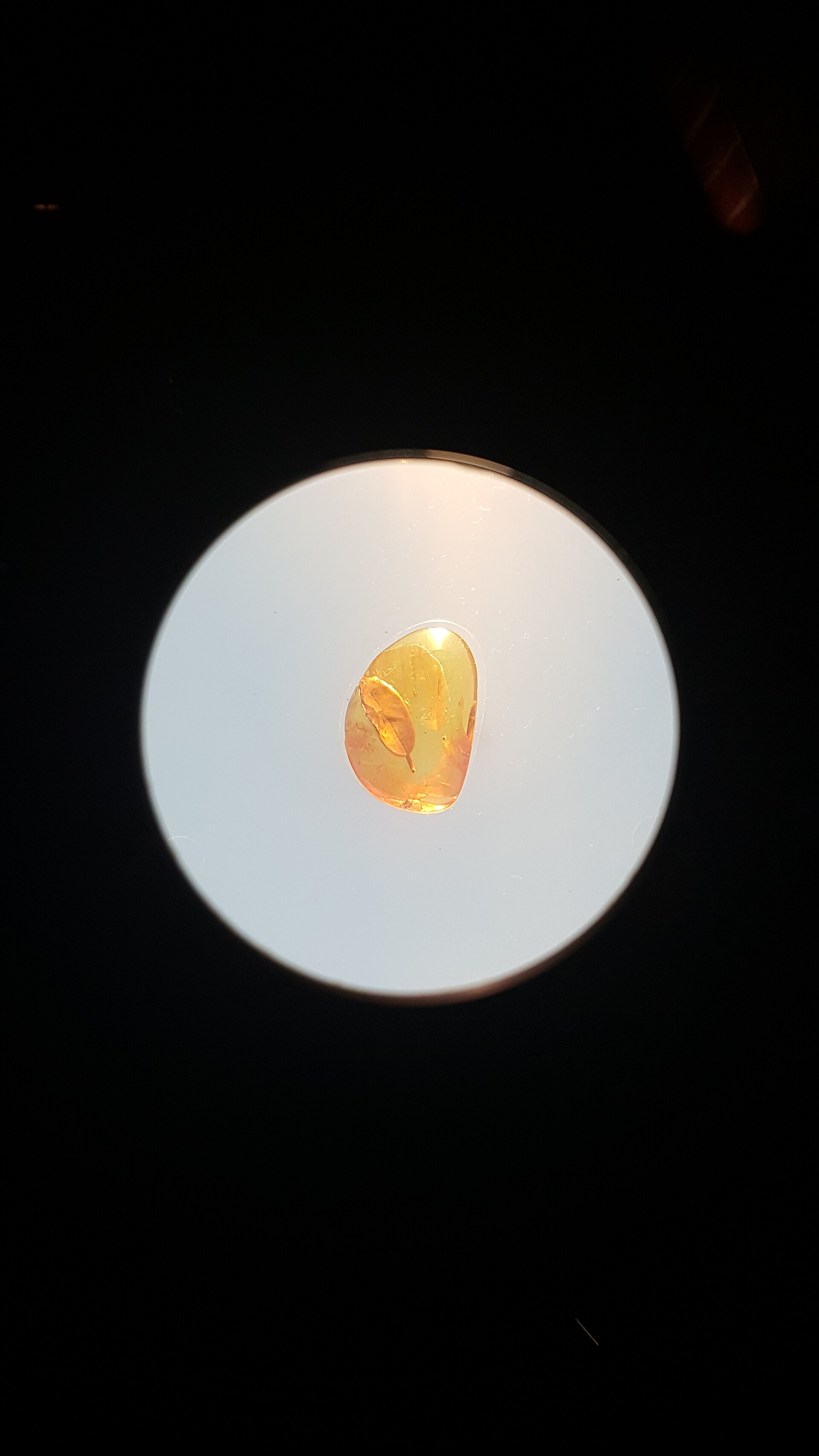
The collection traces the stone’s journey from formation millions of years ago to its use in objects of beauty and utility. Exhibits include amber with ancient insects, plants, or droplets of water trapped inside. Some pieces are so fragile they seem ready to break. The museum also displays archaeological finds showing how amber was used—protective amulets, sacred objects—revealing the beliefs and daily lives of those who valued it.
A section focuses on amber craftsmanship in Pomerania. Tools used by artisans, engravings of amber gathering, and medieval trade documents tell the story of a material once as precious as gold. Amber was even used as currency. Exhibits also explore its role in medicine, where it was believed to heal and protect. The displays show amber as a symbol of power, protection, and prestige.
The museum connects past and present. Contemporary artists and jewelers showcase modern sculptures, carvings, and experimental pieces blending old and new. Some works are tiny figures carved from a single piece; others pair amber with metal or wood. The stone’s ancient origins meet new creativity.
What makes this museum different? Visitors can hold raw amber, examine it under a microscope, or try jewelry-making in workshops. Children learn through games and storytelling. The building, with its high arched windows and worn stone floors, feels like stepping into another time. You can almost see the people who once walked these halls, for whom amber was a way of life.
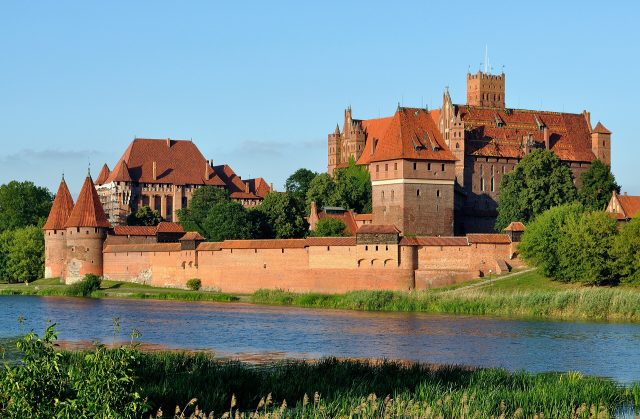
The museum is near Malbork Castle. The two sites offer different views of the same era. The castle tells of power and conflict; the amber museum tells of trade, craftsmanship, and everyday beauty. Together, they show what life was like in this corner of Europe centuries ago.
Amber fascinates because it preserves fragments of a lost world—tiny creatures, leaves, raindrops. The museum doesn’t just display these pieces; it asks you to consider time, skill, and the cultures that revered the stone. By the time you leave, amber feels less like a mineral and more like a connection to the past.
This isn’t a place to rush. Whether you’re interested in history, geology, or curiosity, the museum offers moments to linger—a quiet corner, a display that catches your eye, or a story that changes how you see amber. Time slips by, and when you step outside, you carry something enduring with you.