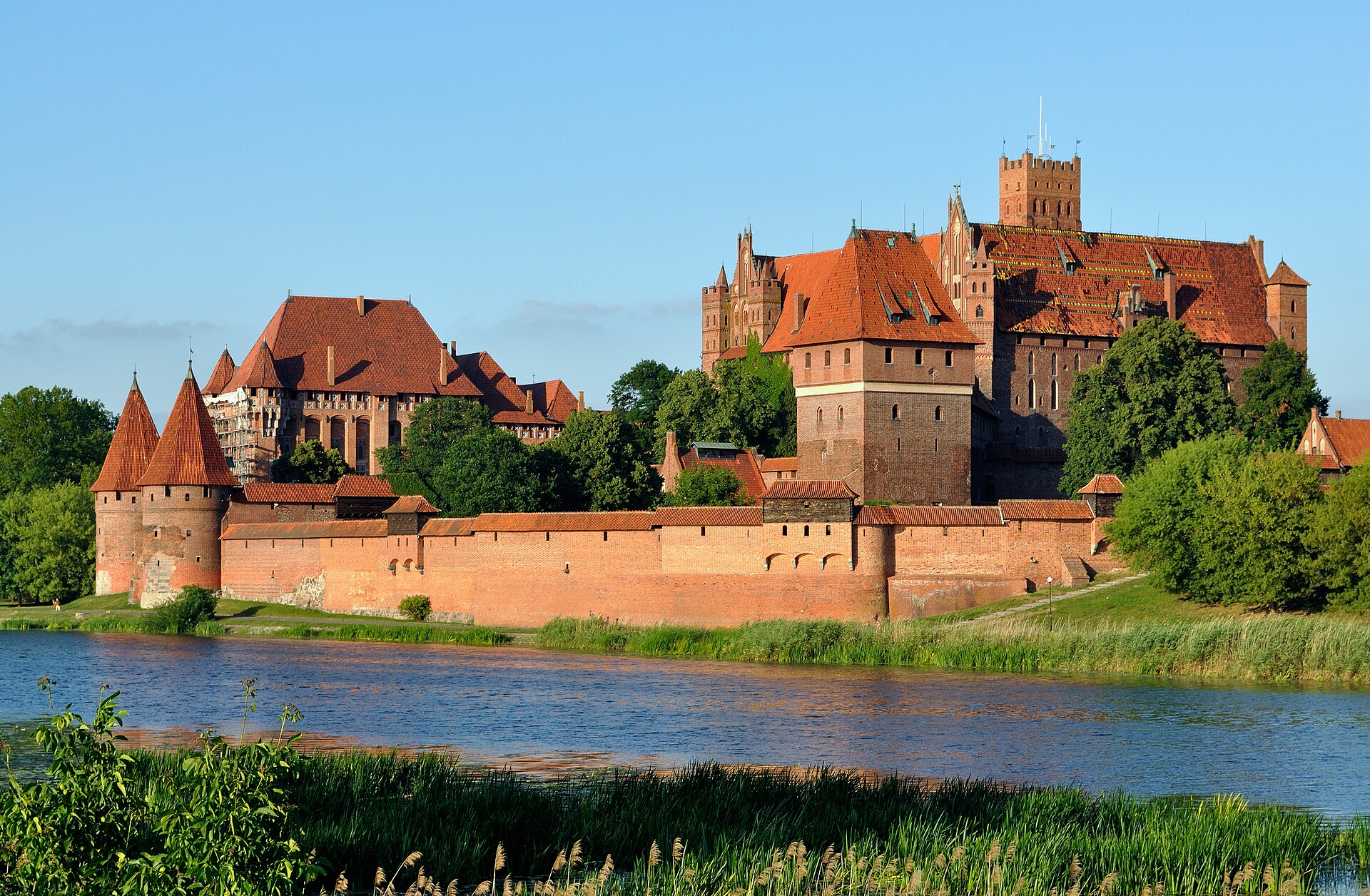
Malbork Castle, known in its time as Marienburg, stands as one of Europe’s most formidable medieval fortresses—a place where the past feels almost tangible. Built by the Teutonic Knights in the 13th century, it was more than just a stronghold; it became the political and spiritual heart of their order, a symbol of their power and ambition. Perched on the banks of the Nogat River in northern Poland, the castle’s sheer scale and meticulous design still command attention, even after centuries of war, neglect, and restoration. It isn’t merely a relic of history but a living monument, one that offers a glimpse into the complexities of medieval life, from the grandeur of its halls to the harsh realities of its dungeons.
Construction began in 1274, shortly after the Teutonic Knights moved their headquarters here from Venice. What started as a modest fortress quickly expanded into a sprawling complex, capable of housing thousands of knights, servants, and craftsmen. The castle was divided into three distinct sections, each serving a specific purpose. The High Castle, the most fortified and sacred part, housed the grand master’s quarters, the chapter house, and the chapel—spaces reserved for governance and prayer. The Middle Castle functioned as the administrative hub, while the Lower Castle contained workshops, stables, and living quarters for the order’s support staff. This division wasn’t just practical; it reflected the rigid hierarchy of the Teutonic Order, where every stone and corridor had its place in the order’s world.
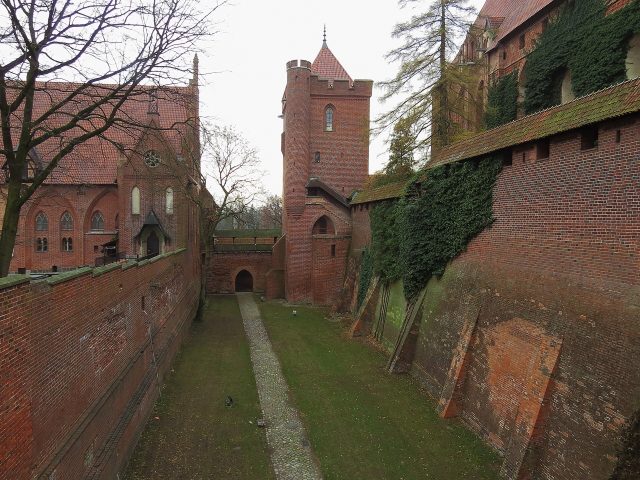
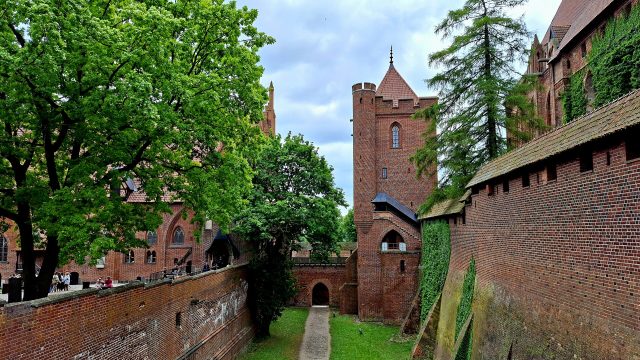
What makes Marienburg remarkable isn’t just its size but the ingenuity of its design. The castle was built to withstand sieges, and its defenses were as much about psychology as they were about brute force. Thick walls, towering battlements, and a labyrinth of moats and drawbridges made it nearly impregnable. Yet, for all its military might, the castle doesn’t feel oppressive. The warm red brick, arched windows, and decorative details—like the intricate tracery on the chapel’s facade—lend it an air of solemn beauty. The Teutonic Knights may have been warriors, but they were also patrons of art and architecture, and their legacy is visible in every carefully placed brick.
The most striking space within the castle is the Great Refectory, a vast hall where the knights gathered for meals and meetings. Its soaring ceilings, supported by slender columns, create a sense of openness rare in medieval fortresses. Light streams through tall windows, illuminating the space where decisions that shaped the region were once made. Nearby, the Golden Chapel, adorned with frescoes and stained glass, served as a place of worship and ceremony. The grand master’s palace, with its ornate fireplaces and carved ceilings, offers a glimpse into the luxury afforded to the order’s leaders. Even the dungeons, stark and unadorned, tell their own story—of prisoners, punishment, and the darker side of medieval justice.
Marienburg’s history is as turbulent as the era it represents. In the 14th century, it withstood a siege by Polish and Lithuanian forces, only to fall to the Poles in 1457. For a time, it served as a royal residence, but its fortunes shifted with the tides of war. By the 18th century, the castle had fallen into ruin, its once-proud walls crumbling under neglect. It wasn’t until the 19th century, when Malbork came under Prussian control, that restoration efforts began in earnest. Today, those efforts have paid off; the castle stands as a testament to both its original builders and the generations who worked to preserve it.
Visiting Marienburg is like stepping into another time. Walking through its courtyards and corridors, it’s easy to imagine the clatter of armor, the murmur of prayers in the chapel, or the clink of tools in the blacksmith’s forge. The castle isn’t a static museum piece; it’s a place that still hums with life. Medieval festivals, reenactments, and concerts breathe new energy into its ancient stones. The sound of a lute echoing through the chapel or the sight of craftsmen demonstrating traditional skills in the Lower Castle can make the past feel almost within reach.
What makes Marienburg endure isn’t just its architectural grandeur or its historical significance—it’s the way it connects us to the people who lived, fought, and died within its walls. The castle has witnessed the rise and fall of empires, the shifting borders of nations, and the evolution of warfare. It has been a fortress, a palace, a ruin, and now a symbol of cultural heritage. For those who wander its halls, it offers more than just a history lesson; it provides a sense of continuity, a reminder that the past is never truly gone.
Marienburg isn’t just a destination for history buffs or architecture enthusiasts. It’s a place that invites reflection, whether you’re standing in the shadow of its towers or tracing the worn steps of its staircases. The castle’s story is Europe’s story—one of ambition, conflict, and resilience. And while its walls may no longer echo with the voices of knights and kings, they still have much to say to those who take the time to listen.