Malbork’s Town Hall: A Quiet Witness to Urban Life
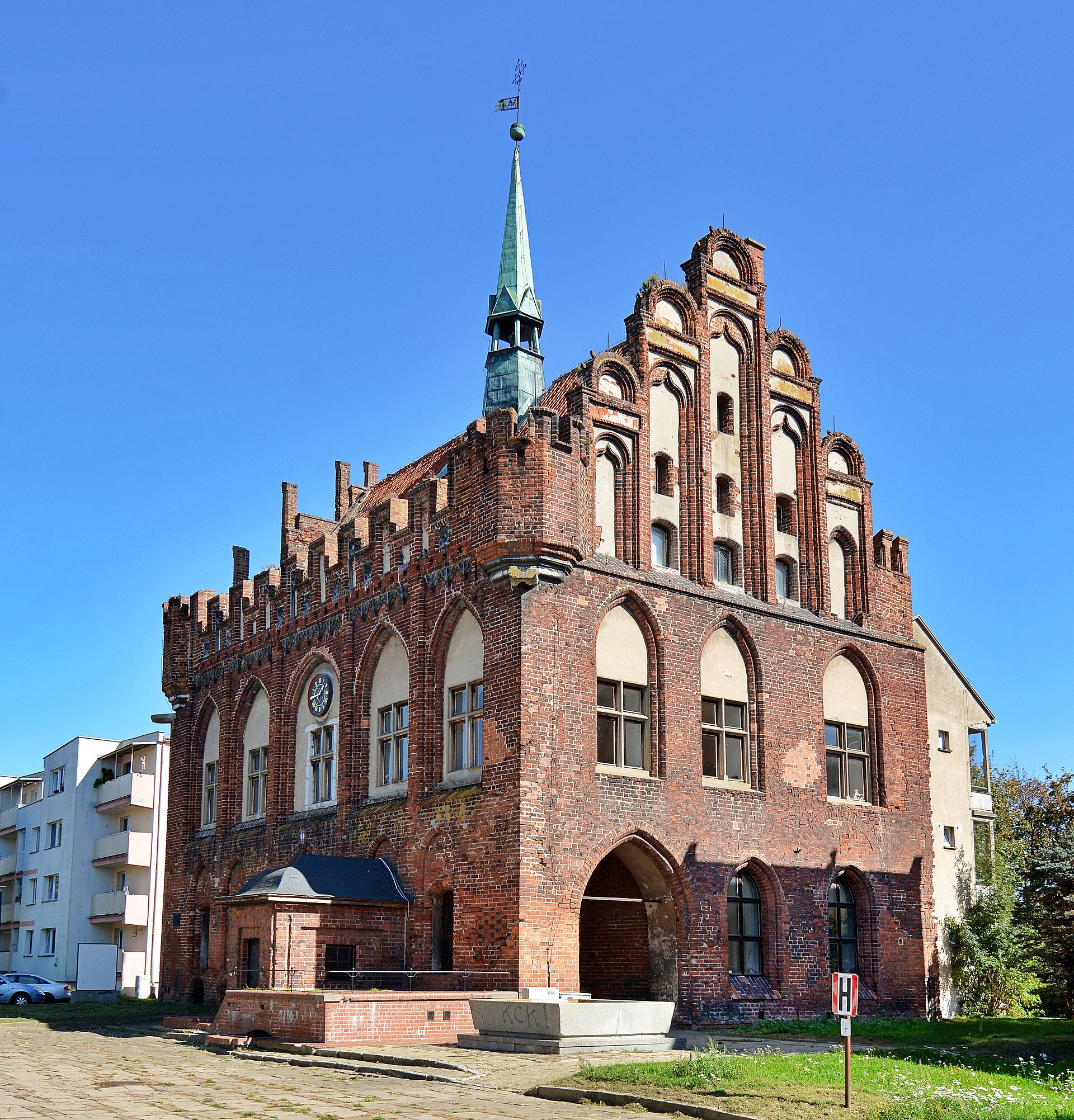
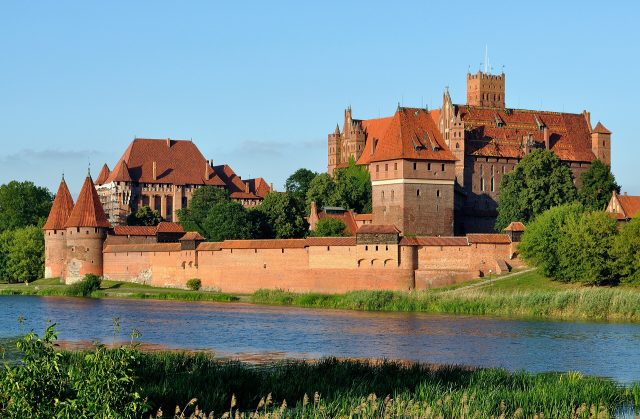
Malbork’s town hall doesn’t shout for attention. It waits on Market Square, its Baroque façade softened by time, while the castle’s towers loom in the distance. But step closer, and you’ll see the marks of centuries—Gothic arches hidden behind later flourishes, stone worn smooth by hands and weather.
Built in the 1300s, it was the heart of a town that mattered. Here, merchants haggled over Baltic amber and Western wool. Magistrates ruled on disputes between neighbors. City officials planned streets and markets, turning Malbork from a fortress outpost into a place with its own voice. The building wasn’t just brick and mortar; it was proof that the town had grown beyond the castle’s shadow.
The architecture tells two stories at once. The original Gothic structure—thick walls, pointed windows—still shows through, but the 17th-century Baroque makeover added scrollwork and symmetry. Walk around it, and you’ll spot the seams where one era gave way to another. It’s like flipping through a book where each chapter left its mark on the pages.
The grand council hall inside feels vast, even now. High ceilings swallow sound, and the space still carries the weight of old decisions—some forgotten, others still shaping the town. Look up, and you’ll see fragments of coats of arms, bits of Latin inscriptions. Not everything survived wars and fires, but what remains is enough to imagine the voices that once filled the room.
For years, the town hall played second fiddle to Malbork Castle. Visitors flocked to the knights’ fortress, while the town hall stood quietly in the square, its stories overlooked. But history isn’t just about battles. It’s also about the bakers, blacksmiths, and brewers who turned a military outpost into a home. Now, the town hall anchors tours that ask: What was life like beyond the castle walls?
The museum inside doesn’t just display artifacts—it rebuilds a world. You’ll find:
Tools from medieval workshops, their edges worn by use.
Ledgers where scribes recorded taxes and trade deals.
Models of the town as it expanded, street by street.
There’s a pewter spoon, its handle bent from years of stirring stew. A child’s shoe, small enough to fit in your palm. These aren’t relics of kings or generals, but they’re just as real.
Market Square hasn’t changed much in purpose. In the Middle Ages, it was where farmers sold grain and fishermen hawked herring. Today, it’s where locals sip coffee and tourists snap photos. The town hall watches over it all, as it has for 700 years.
What’s striking about the town hall is how ordinary it feels. It’s not a monument to power, but to persistence. The walls have seen fires, floods, and wars, yet they’re still here—holding up the same roof, framing the same square. When you stand in front of it, you’re not just looking at a building. You’re seeing the layers of a town that refused to stay small.
If you’ve ever wondered what life was like for the people who lived in the shadow of a castle, this is where to start. The town hall doesn’t offer grand legends. It offers something rarer: the quiet proof that history isn’t just made by knights and kings, but by the people who built the streets, ran the shops, and gathered in the square.