Malbork’s Market Square is where the town truly comes alive. Unlike the crowded plazas of bigger tourist hubs, this place moves at its own unhurried pace, shaped by the quiet rhythms of a small Polish city. The square is framed by low, steep-roofed houses whose facades tell stories of different eras—medieval stonework blending into Baroque flourishes. At its center stands the town hall, not as grand as those in Kraków or Gdańsk, but warm and unassuming, as if inviting you to step inside for no reason at all.
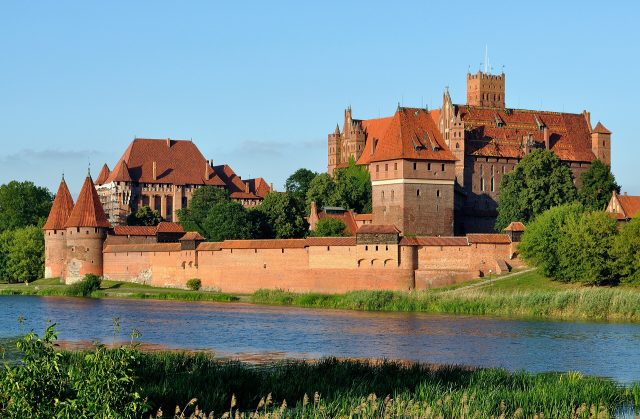
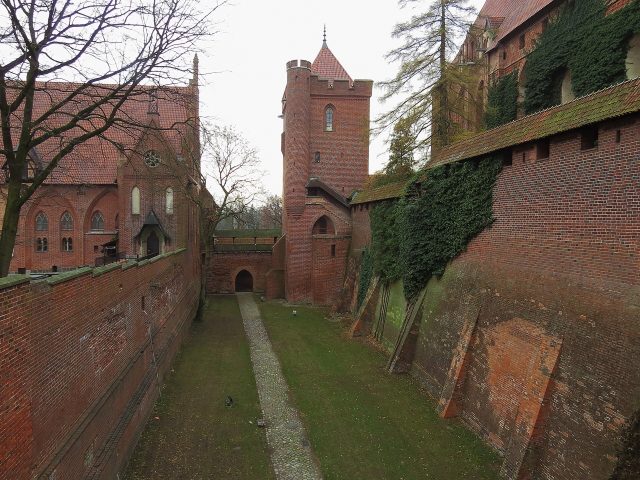
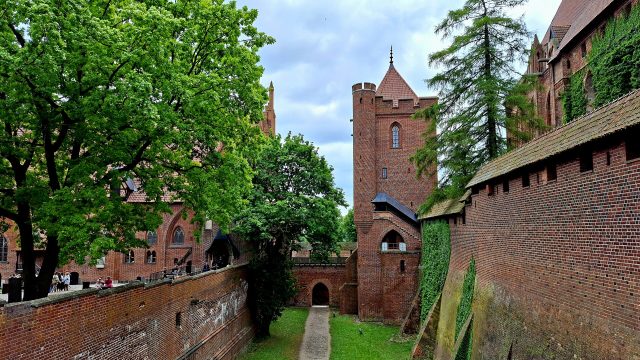
Malbork itself is a place of contrasts. It grew around its castle, once the seat of the Teutonic Order’s grand masters, and for centuries, the fortress overshadowed everything else. Yet the Market Square remained the heart of the town, where merchants, craftsmen, and locals gathered to trade, gossip, and celebrate. Today, that old energy lingers in small ways—elderly men playing chess outside cafés, market vendors calling to each other across stalls, children kicking a ball between lampposts.
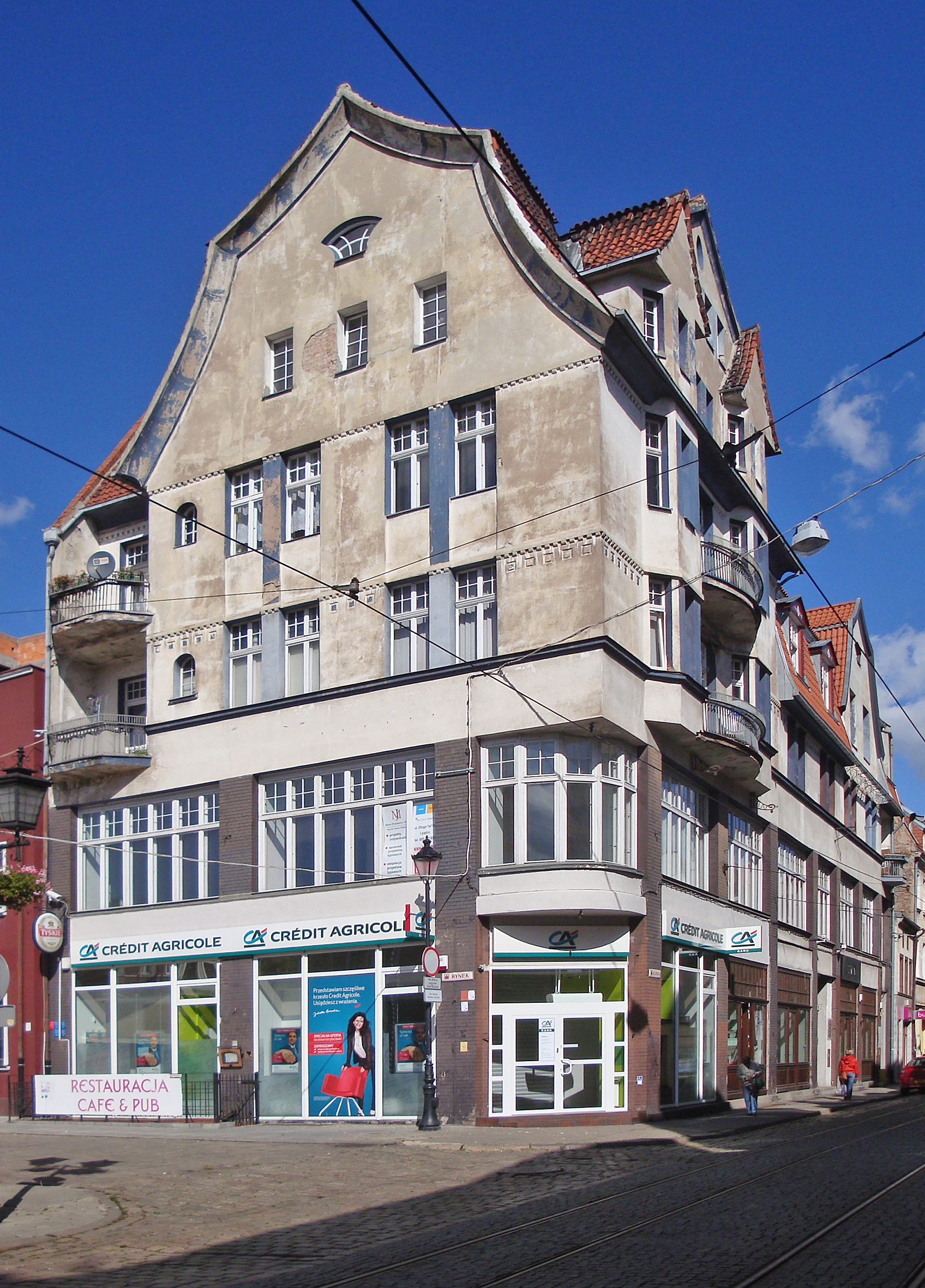
The architecture here is a miniature history of Malbork. The buildings are modest, two or three stories tall, with narrow fronts and deep cellars that once stored goods. Many date back to the 16th and 17th centuries, though renovations over the years have left their mark. The most intriguing are the houses with arched passageways leading to inner courtyards, where workshops and stables once stood. Now, cars often occupy those spaces, but if you’re lucky, you might catch a glimpse through an open gate and imagine the past.
The town hall is a story of its own. While not as ancient as the castle, it’s still centuries old, built in the late Baroque style with its characteristic curves and stucco details. Inside, the city council once met, and now the building houses local government offices. Its facade is crowned by a clock that has marked time since the 18th century. Locals say that if you stand beneath it at noon, you can hear the faint creak of its old mechanisms.
But the Market Square isn’t just about architecture—it’s about people. Tourists who come for the castle often linger here, sipping coffee or trying traditional Polish pastries. In summer, café terraces fill with groups chatting over drinks, while in winter, strings of lights transform the square into a cozy refuge. Locals come for no particular reason—just to stroll, meet friends, or pick up fresh bread from the market.
The market itself has been a fixture for centuries. In the past, it sold everything from grain to fabrics to fish from the nearby Nogat River. Today, the selection is simpler, but you can still find local cheeses, smoked meats, and produce from nearby farms. Seasonal treats are especially popular—strawberries and raspberries in summer, mushrooms and apples in autumn. Vendors often know their regulars by name, and bargaining isn’t the custom here; prices are fair to begin with.
As evening falls, the square takes on a different mood. When the lamplights flicker on, the old houses cast long shadows, and the town hall seems even more imposing. The air grows quiet, broken only by the occasional murmur from a café or the sound of footsteps. If you’re lucky, you might hear a street musician playing an accordion or violin in the distance. The music blends with the faint rush of the river nearby, creating an atmosphere that’s hard to put into words.
Malbork hasn’t always been peaceful. Its history includes wars, fires, and destruction, yet the Market Square has always found a way to rise again. After World War II, when much of the town was damaged, the square was one of the first places restored. Today, it looks much as it did a century ago, and that continuity gives it a special charm. There’s nothing staged here—just worn cobblestones, weathered facades, and the creak of wooden doors.
If you visit Malbork only for the castle, you’ll miss what makes the town truly special. The fortress is impressive, but it feels like a museum—majestic yet distant. The Market Square, on the other hand, is alive. It changes with each passing day, offering a sense of the town’s pulse, its memories, and its quiet resilience. That’s why those who come here once often return—not for the sights, but for the feeling of time slowing down, of standing in a place where history isn’t just preserved, but still being lived.