Catania
Italy · 8 places
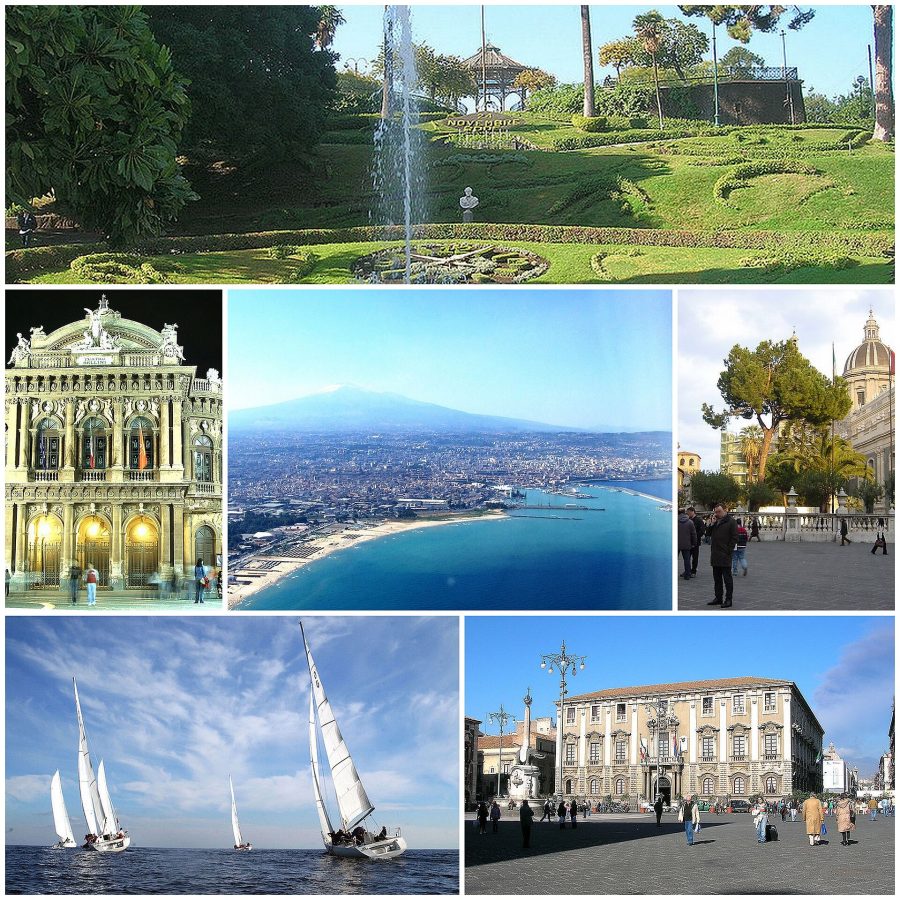
Photo: collection by DanieleDF1995 (talk), CC BY-SA 3.0
Catania sits on the eastern coast of Sicily, where the island’s raw, volcanic energy meets the calm of the Ionian Sea. The city unfolds beneath the watchful gaze of Mount Etna, Europe’s tallest and most active volcano, whose presence is impossible to ignore—whether in the black lava stone that paves the streets, the occasional tremor that rattles the windows, or the way the mountain’s silhouette dominates the skyline. This is a place shaped by fire and time, where history isn’t just preserved in museums but etched into the very fabric of daily life. The air carries the scent of salt and citrus, mingling with the sharp tang of espresso from sidewalk cafés, while the sound of Vespas weaving through narrow alleys blends with the distant hum of the port.
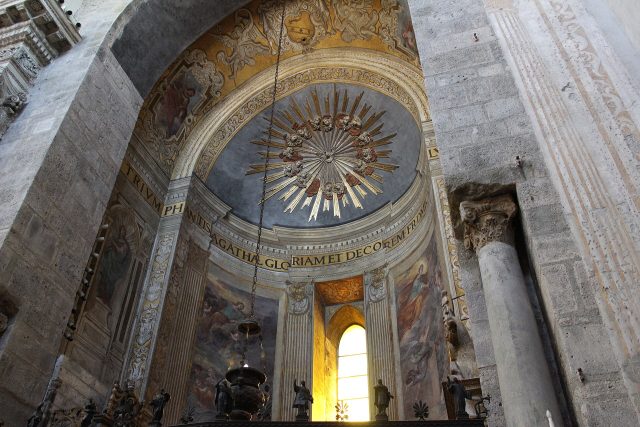
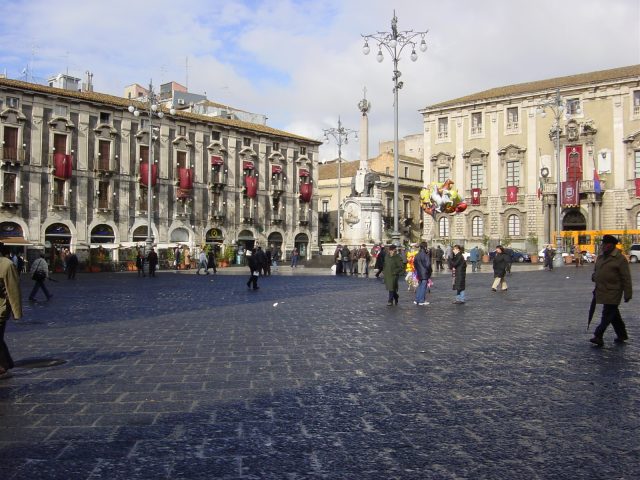
Founded by Greek colonists in the 8th century BC, Catania has spent millennia absorbing and reinventing itself under successive rulers—Romans, Byzantines, Arabs, Normans, and Spaniards—each leaving their mark on its architecture, cuisine, and character. The city’s heart is Piazza del Duomo, a grand Baroque square where the black-and-white-striped elephant fountain, *u Liotru*, stands as an unlikely symbol of resilience. The elephant, carved from lava stone, carries an ancient Egyptian obelisk on its back, a nod to the city’s layered past. Nearby, the Duomo’s facade gleams in the sunlight, its intricate details a testament to the Sicilian Baroque style that flourished after the devastating 1693 earthquake. That disaster leveled much of Catania, but the city rose again, more extravagant than before, as if defying the forces that had tried to destroy it.
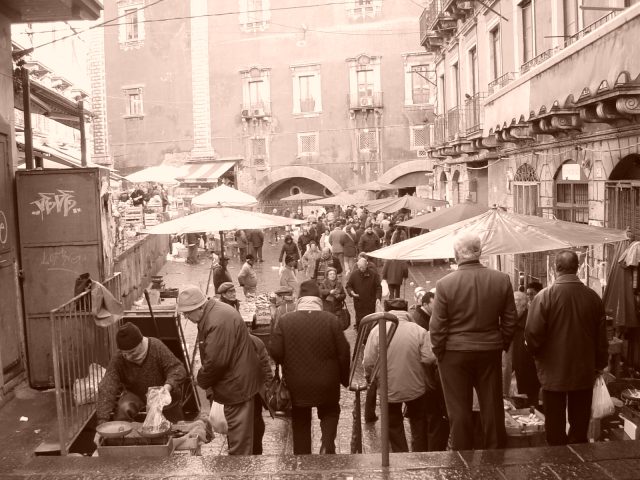
Life in Catania moves to its own rhythm, one that balances urgency and leisure in a way only the Mediterranean can. Mornings begin slowly, with locals lingering over cappuccinos and *brioche* at corner bars, while the afternoon sun sends everyone indoors for a few hours of *riposo*. By evening, the city awakens in earnest: the fish market at *Pescheria* spills into the streets, vendors hawking swordfish and sea urchins with theatrical flair, and the aroma of grilled sardines and *pasta alla Norma* drifts from open-air trattorias. The night belongs to the passeggiata, the traditional evening stroll where families, couples, and groups of friends parade along Via Etnea, the city’s grand boulevard, stopping to gossip, window-shop, or simply soak in the atmosphere. There’s no rush here—time is measured in conversations, not clocks.
Yet Catania isn’t just a postcard of Sicilian charm. It’s a city of contrasts, where the grandeur of its past collides with the grit of its present. The historic center, with its lavish palazzi and ornate churches, sits alongside neighborhoods where laundry flaps from balconies and street art covers crumbling walls. The port, one of the busiest in the Mediterranean, hums with industry, while just a short drive away, the black sand beaches of Playa stretch along the coast, offering a quiet escape. Even Etna, which looms like a sleeping giant, is both a threat and a blessing—its fertile slopes produce some of Sicily’s finest wines and citrus fruits, while its eruptions remind everyone of nature’s unpredictable power.
What makes Catania unforgettable, though, isn’t just its landmarks or its history, but the way it makes you feel. There’s a warmth here, a sense of belonging that seeps into your bones whether you’re a visitor or a resident. It’s in the way a stranger will strike up a conversation over a shared table at a crowded osteria, or how a shopkeeper might press a free sample of *cannoli* into your hand with a wink. It’s in the way the city embraces its contradictions—elegant yet unpolished, ancient yet alive—without apology. Catania doesn’t try to impress; it simply is, and that’s enough. To walk its streets is to understand that Sicily isn’t just a place on a map, but a state of mind.
See & Do
8 places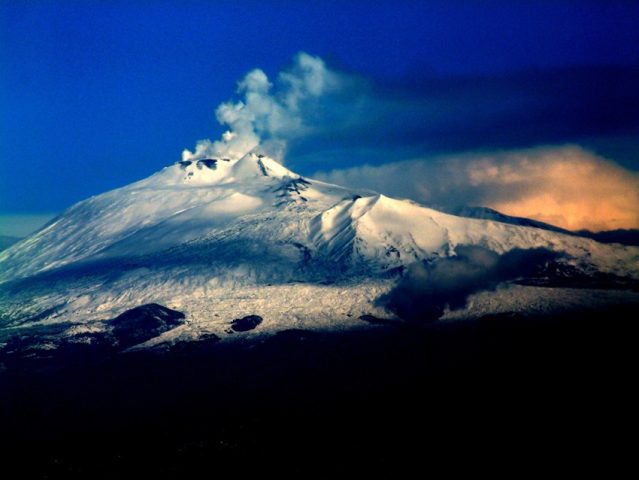
Places on the map
Marker colour follows the categoryClimate and weather
Detailed weather: Catania- Average temperature
- 19 °C
- Precipitation per year
- 395 mm
Average air temperature
°C
10
11
12
15
19
25
28
28
25
21
17
12
Jan
Feb
Mar
Apr
May
Jun
Jul
Aug
Sep
Oct
Nov
Dec