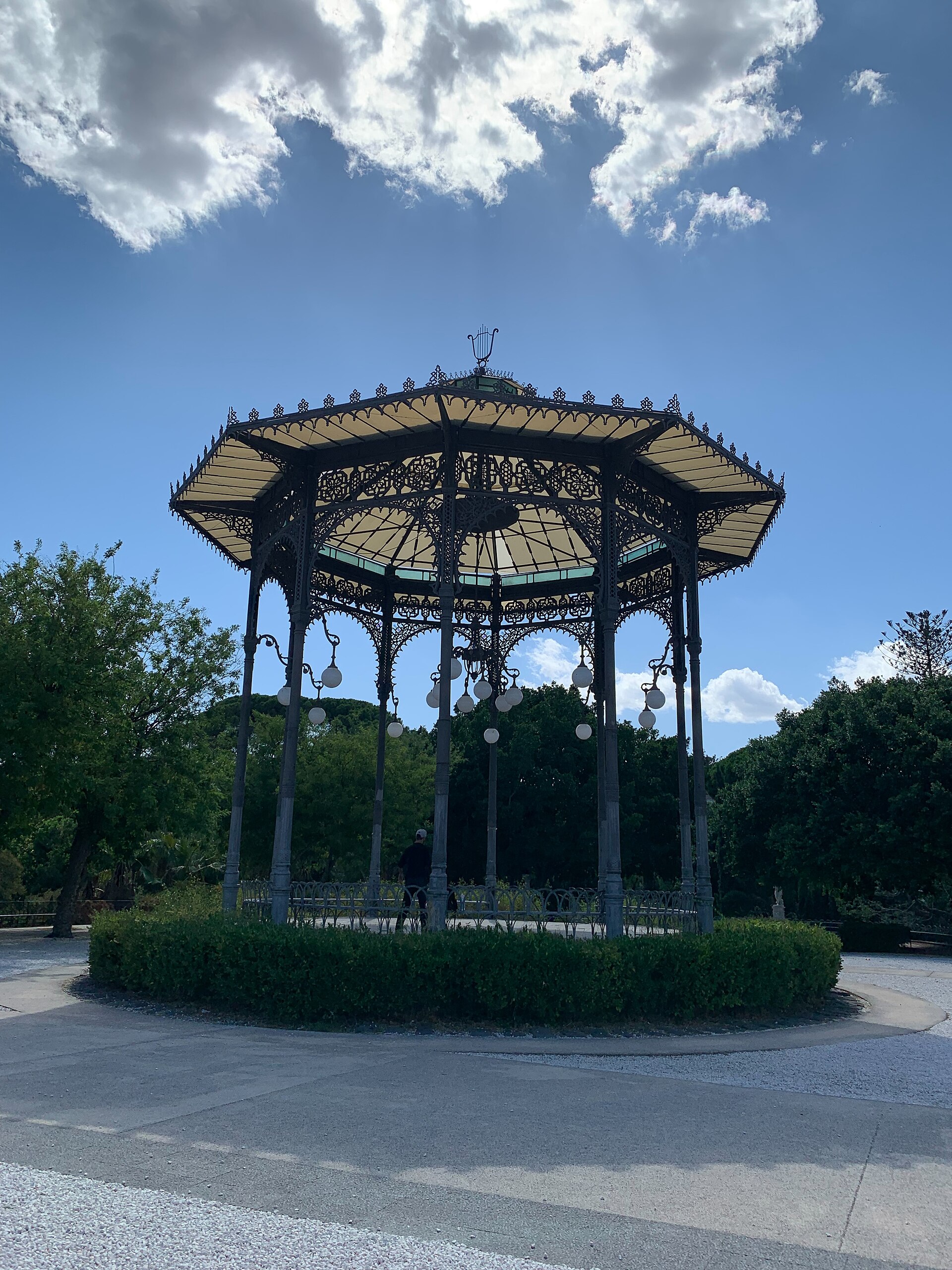
Villa Bellini is one of those rare places in Catania where the city seems to pause, as if remembering a slower, more graceful era. Tucked in the heart of the city, this park was once part of the vineyards and gardens that belonged to Sicilian noble families. Today, it remains a favorite spot for locals and visitors alike—a quiet escape from the usual tourist paths, where the rhythm of Catania feels more human.
The park’s history stretches back to the late 18th century, when Catania was still rebuilding after the devastating earthquake of 1693. The first trees were planted here during that time, and by the 19th century, the land had been transformed into a public garden. It was named after Vincenzo Bellini, the celebrated composer born in Catania, whose presence lingers in the park—from the monument at its center to the occasional open-air concerts that echo his music.
There’s nothing grand about Villa Bellini’s architecture, and that’s part of its charm. Unlike the imposing palaces and grand boulevards found elsewhere in the city, this park is a place of quiet elegance. Winding paths shaded by ivy and old trees invite you to imagine the strolls of 19th-century ladies in their crinolines and gentlemen with walking sticks. The heart of the park is marked by fountains and sculptures, the most prominent being the bronze bust of Bellini on a tall pedestal, often surrounded by flowers and local musicians playing fragments of his operas.
Though small, the park is thoughtfully designed. Even on the hottest days, there’s always a patch of shade to retreat to. The paths lead to small clearings with benches, offering views of the city and, in the distance, Mount Etna. The best times to visit are early morning, when the sun rises over the horizon, or late afternoon, when the air is filled with the scent of magnolias in bloom. Villa Bellini isn’t just a green space in a stone city—it’s where Catania reveals its softer, more poetic side.
For locals, the park is woven into daily life. Couples meet here, families bring their children, and people read or simply sit on the benches, watching the world go by. Weekends are especially lively, with picnics on the grass, leisurely walks, and the quiet hum of conversation. Unlike a museum, Villa Bellini isn’t frozen in time—it evolves with the city, a living part of its rhythm.
The park is deeply tied to Catania’s cultural history. In the 19th century, it was a gathering place for literary and musical events, drawing Sicily’s intellectuals. That tradition continues today, with occasional concerts, exhibitions, and festivals celebrating local art. Even when nothing special is happening, the atmosphere invites reflection—you can almost hear the stories the trees might tell if they could speak.
This isn’t a place for flashy photos or tourist attractions. There are no amusement rides, noisy cafés, or souvenir stalls. Instead, there’s a rare kind of silence, the kind you don’t often find in the middle of a bustling city. Villa Bellini offers a different perspective on Catania—not as a tourist destination, but as a place where people live, where the past and present coexist.
If you find yourself in Catania, don’t rush straight to the usual sights. Take a moment to step into Villa Bellini. Sit on a bench, listen to the rustling leaves, and feel the city breathe. Maybe here, more than anywhere else, you’ll understand that Sicily isn’t just about ancient ruins and crowded markets. It’s also about quiet corners where time moves at its own pace.