The Teatro Bellini in Catania is one of those rare places where time seems to stand still, yet life continues in its own quiet, enduring way. Nestled in the heart of the city, it’s more than just a building—it’s a testament to Sicily’s unshakable love for art and culture, a love that has thrived here for centuries. Every corner of the theater tells a story: the marble steps worn smooth by generations of visitors, the grand curtain that has risen for some of opera’s most celebrated premieres, and the walls that have echoed with the voices of both aristocrats and ordinary citizens.
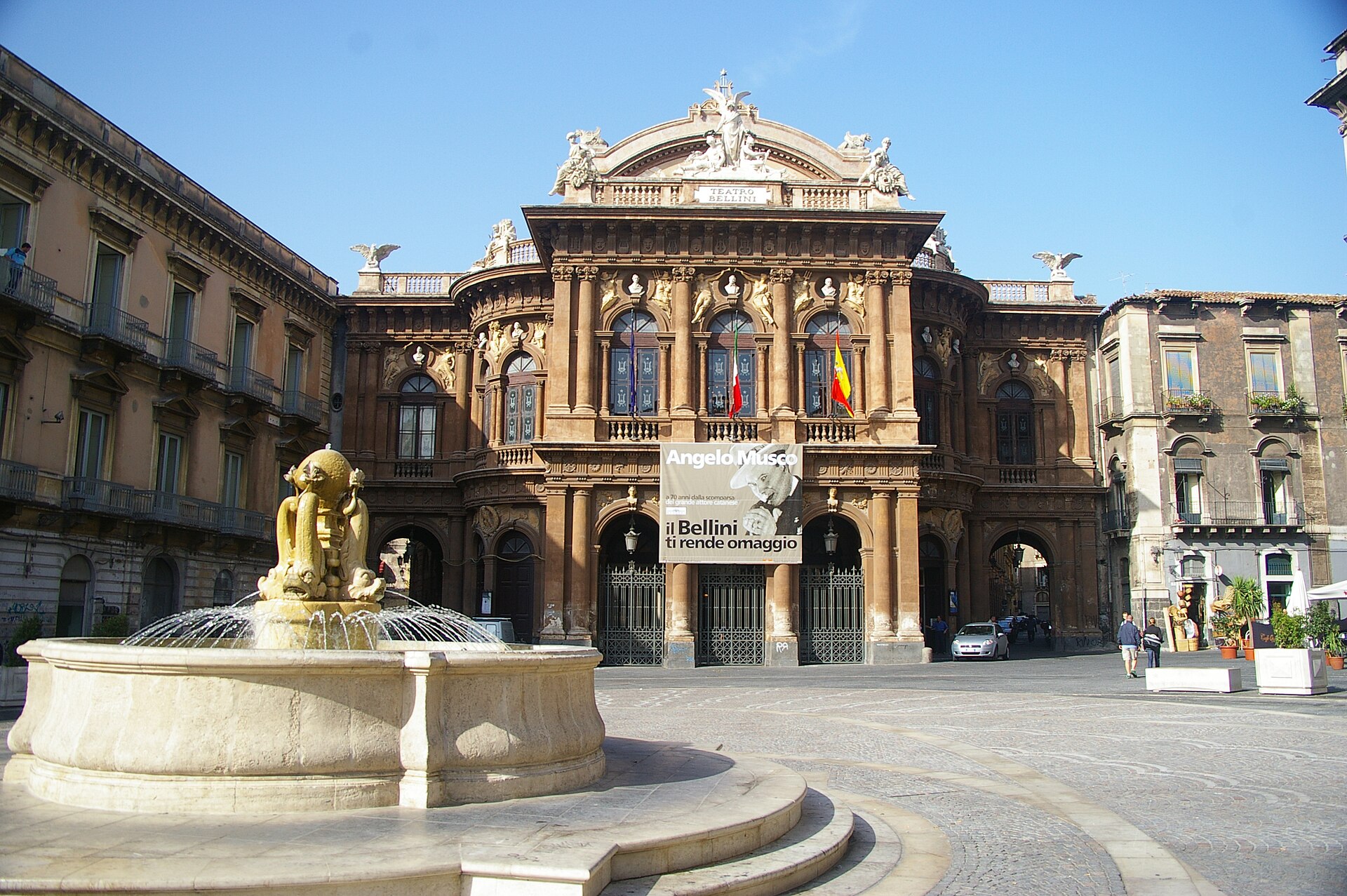
Named after Vincenzo Bellini, the great Sicilian composer whose works became synonymous with Italian opera, the theater was built in the mid-19th century. Its architecture is a fine example of neoclassicism, with its clean lines, stately columns, and balanced proportions. But step inside, and the grandeur takes over. The auditorium is a dazzling display of gilded details, intricate plasterwork, and frescoes that transport you to an era when opera was the pinnacle of high society entertainment, and opening nights drew crowds as eagerly as today’s biggest concerts.
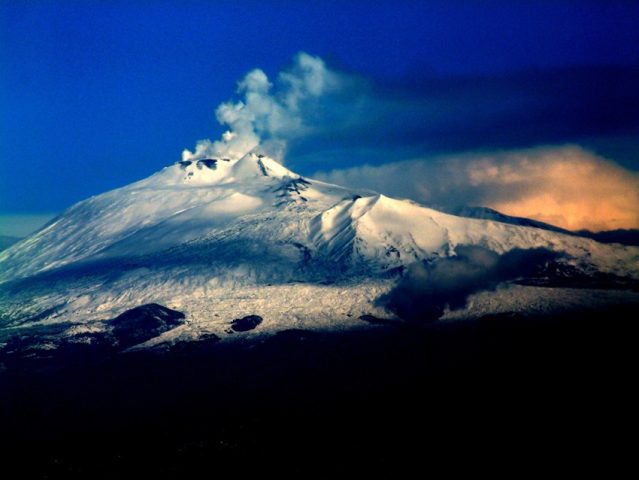
Catania’s location at the foot of Mount Etna has always made it vulnerable to natural disasters, and the Teatro Bellini has weathered its share of them. Earthquakes, volcanic eruptions, and wars have all threatened its existence, yet each time, the theater has been restored, preserving not just its physical structure but its spirit. There’s something deeply moving about a place that refuses to be erased by time or tragedy, a place that continues to host performances even as it carries the weight of history.
With a capacity of around a thousand, the theater remains a vibrant part of Catania’s cultural life. Attending a performance here isn’t just about seeing a show—it’s about stepping into a world where the past and present coexist. The rituals haven’t changed much: before the lights dim, the foyer buzzes with conversation and the clink of glasses as patrons enjoy a pre-show drink. But once the music begins, the outside world fades away, and you’re left with the timeless magic of the stage.
Yet the Teatro Bellini is more than just an opera house. It’s a cultural hub where the city gathers for festivals, exhibitions, and lectures. In the summer, when the heat of the day gives way to warm evenings scented with orange blossoms, the theater spills out into the streets, hosting open-air concerts and film screenings. This connection between the stage and the city makes art feel accessible, almost intimate, as if it’s not just for the elite but for everyone who walks by.
From the outside, the theater might not immediately catch your eye. Its facade is understated, blending into the urban landscape rather than demanding attention. But those who take the time to step inside discover something far greater than a beautiful building. Here, you can sense the heartbeat of Catania—its resilience, its passion, its deep-rooted love for beauty and expression. It’s no wonder the Teatro Bellini holds a special place in the hearts of both locals and visitors.
If you find yourself in Catania, don’t rush past it. Take a moment to sit in one of the nearby cafés, watching as people come and go, then step inside. You don’t need to attend a performance to feel its presence. Maybe you’ll hear the faint strains of an orchestra rehearsing or catch a glimpse of the stage being prepared for the evening’s show. In those quiet moments, it becomes clear that the Teatro Bellini isn’t a museum—it’s a living space where art and life intertwine effortlessly, as they have for over a century.